


 BoE Policymaker Alan Taylor Signals No Need for Interest Rate Hike Amid Iran War Inflation Risks
  RBA Minutes Signal Australia Central Bank Remains Ready to Raise Interest Rates if Inflation Persists
  Malaysia Central Bank Moves to Support Ringgit Amid Foreign Fund Outflows
  ECB Set to Raise Interest Rates as Energy Shock Fuels Eurozone Inflation Concerns
  BOJ Raises Interest Rates to 1% as Inflation Pressures Persist
  Gold Prices Fall Amid Rate Jitters; Copper Steady as China Stimulus Eyed
  Mary Daly Says AI Uncertainty Clouds Fed Rate Outlook Despite Restrictive Policy
  New Zealand Unemployment and Inflation Debate Intensifies Ahead of 2026 Election


South Korea’s capital inflows rebounded in March with the help of declining expectations for Fed rate hikes. These expectations were strengthened further after the Fed gave guidance for fewer rate hikes during its March FOMC meeting. So far in March, net foreign purchases of Korean equities reached USD 2.2bn cumulatively, nearly countering the negative USD 2.4bn seen in January and February.
In March, foreigners also bought net KRW bonds worth USD 0.8 billion, as compared with the USD 0.2bn selling in Jan-Feb. Accordingly, the Korean won regained most of its loss incurred earlier in 2016. The won’s year-to-date loss has narrowed to -0.2% from -5.4%.
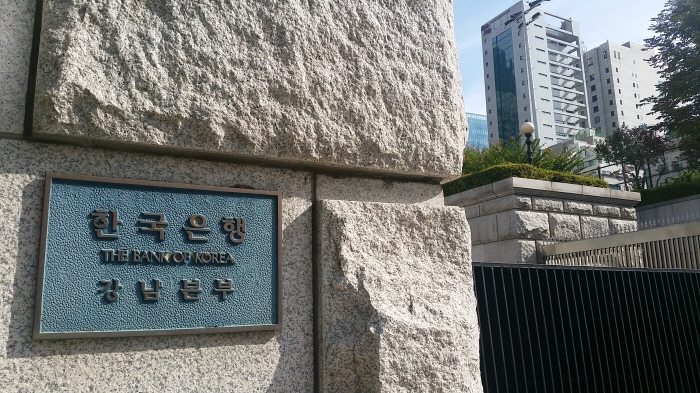
The Bank of Korea should receive larger scope for its monetary policy with the rebound in capital inflows and KRW’s stabilization. The central bank will have a proper window of opportunity to lower rates and refocus on supporting growth between now and June, when the US Fed is likely to hike rates again. It will mainly depend on the actual growth data if the central bank will lower the rate. If the upcoming data release confirms that South Korea will miss the official Q1 GDP forecast by a wide margin, the Bank of Korea might ease policy by April. The central bank is likely to cut rate by 25bps in Apr-Jun period.







