


 Fed’s Hammack Says Bond Yield Surge Is Not Driven by Inflation Fears
  US Supreme Court Revives Trump Administration Voter Citizenship Database
  Pope Leo Backs Press Freedom After White House Media Ban
  US Backs Musk in Fight Against EU’s €120 Million X Fine
  Pezeshkian Says US Must Choose When Iran War Ends
  Asian Stocks Fall as Bond Yields Surge Ahead of Trump-Xi Summit
  Oil Prices Fall on U.S.-Iran Hormuz Deal Hopes
  Asian Currencies Mixed as Dollar Holds Near Two-Month High
  Evan Gershkovich Says FSB Set Trap for 2023 Russia Arrest
  North Korea Rejects Nuclear Test Warning, Calls Nuclear Status Irreversible
  France Defends Netanyahu Airspace Clearance Despite ICC Warrant
  Fed Unveils Stablecoin Rules Under GENIUS Act
  Dollar Holds Near Two-Month High as Yen Approaches 160
  Trump, Xi Visit US National Archives After White House Summit
  Yemen Violence Displaces 130,000 as Civilian Toll Rises
  Iran Rejects Nuclear Concessions in Hormuz Deal
  Japanese Bank Stocks Surge as Bond Yields Fuel Rate Hike Bets


 Add as a preferred source on Google
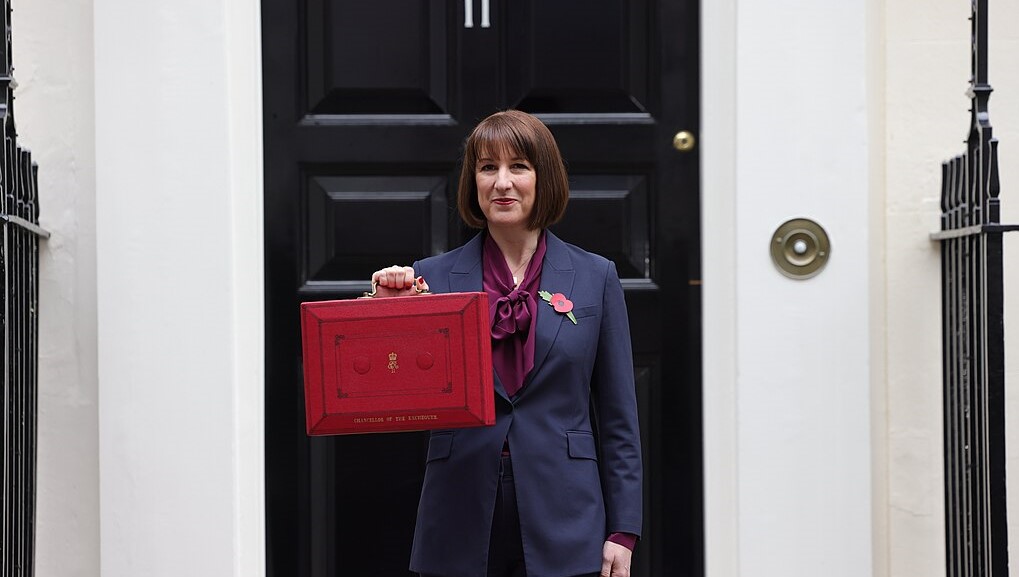
Britain’s finance minister, Rachel Reeves, has confirmed she is considering both tax increases and spending cuts for her upcoming budget on November 26. The move aligns with her commitment to balancing the nation’s finances amid mounting economic pressures.
Economic analysts forecast that Reeves will need to raise around 30 billion pounds ($40.1 billion) through new tax measures to meet her fiscal goals. The challenge has intensified after higher-than-expected government borrowing costs, the scrapping of plans to cut welfare spending, and downgraded growth projections.
Speaking to Sky News on Wednesday, Reeves said, “Challenges are being thrown our way... I won’t duck those challenges. Of course, we’re looking at tax and spending as well, but the numbers will always add up with me as chancellor.”
Reeves has consistently emphasized her commitment to “economic responsibility,” underscoring that all fiscal decisions will adhere to her rule of balancing day-to-day public spending with tax revenues by 2030. Her focus on fiscal discipline aims to rebuild market confidence and stabilize public finances following years of turbulence.
However, speculation is growing that the Labour government may reconsider some of its pre-election tax pledges. Before the July 2024 general election, Labour vowed not to raise Value Added Tax (VAT), National Insurance contributions, or income tax rates. Yet, given the current economic climate, these assurances may be revisited as the government seeks additional revenue sources to meet its fiscal targets.
As Britain faces a slowing economy and mounting debt, Reeves’ budget decisions will play a crucial role in shaping investor confidence and public trust. Her approach signals a pragmatic stance—one that prioritizes fiscal stability over political convenience while reaffirming her intent to ensure the UK’s economic recovery remains sustainable.







