


 Oil Prices Fall on U.S.-Iran Hormuz Deal Hopes
  RBI Uses $10 Billion Currency Swaps to Drain Excess Rupee Liquidity
  Ukrainian Drone Attacks Hit Russian Regions, Injuring at Least 12
  Asian Currencies Mixed as Dollar Holds Near Two-Month High
  Asian Stocks Fall as Surging Bond Yields Rattle Markets
  Wall Street Ends Flat as Oil, Treasury Yields and Fed Jitters Rattle Markets
  Pope Leo Warns UN, Multilateral Groups Face Crisis
  Fed Unveils Stablecoin Rules Under GENIUS Act
  Xi Calls for Deeper U.S.-China AI Cooperation in Trump Talks
  Japanese Yen Rebounds as Trump Flags Currency Weakness
  Netanyahu’s Brief US Trip Highlights Strains With Trump
  U.S. Treasury Yields Surge as 30-Year Hits 22-Year High
  US Stock Futures Fall as Treasury Yields Surge Ahead of Trump-Xi Summit
  Trump Asks Supreme Court to Restore Third-Country Deportations
  Mexico-US Trade Talks Delayed to October as Tariff Negotiations Continue
  Saudi Arabia Seeks Military Support as Houthi Attacks Escalate
  Yemen Violence Displaces 130,000 as Civilian Toll Rises


 Add as a preferred source on Google
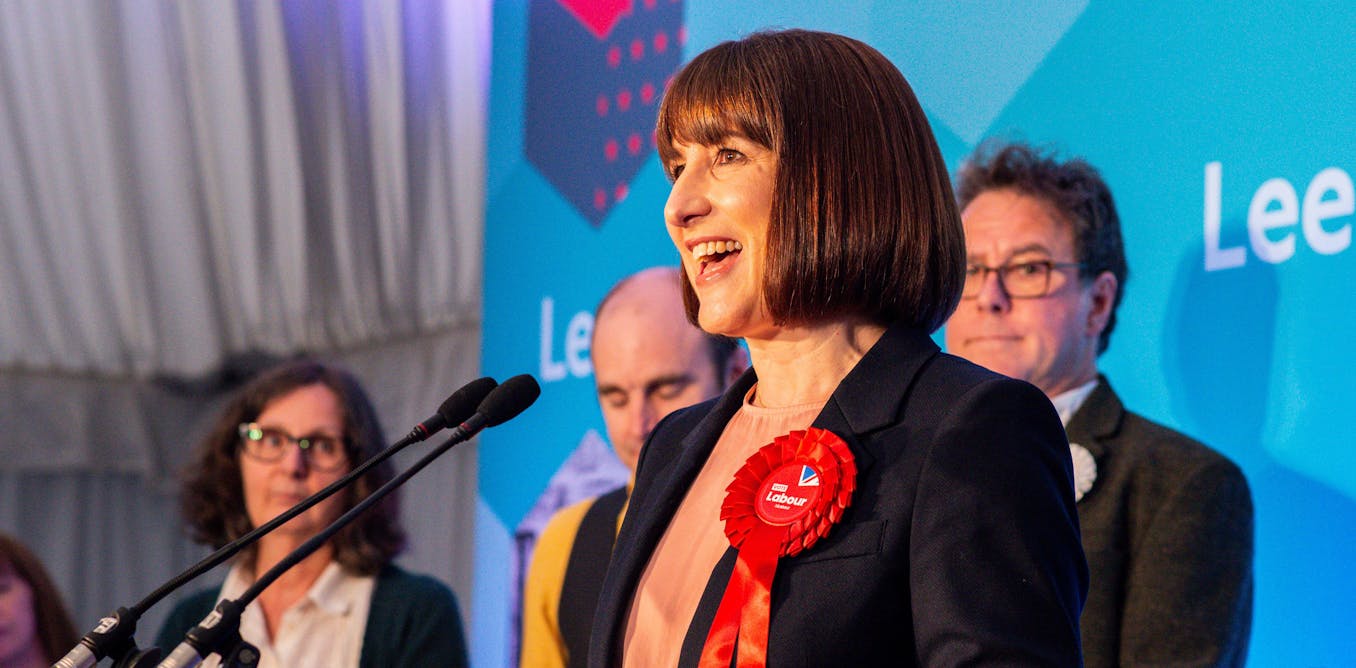
Britain’s Finance Minister, Rachel Reeves, is reportedly preparing to increase the country’s fiscal buffer in her upcoming November 26 budget, aiming to shield the economy from future financial shocks. According to The Sunday Telegraph, Reeves intends to strengthen the government’s financial resilience against market volatility and higher borrowing costs.
In her March spring statement, Reeves projected a £9.9 billion ($13 billion) fiscal buffer under her main rule of balancing day-to-day public spending with tax revenues by 2030. However, circumstances have since shifted—government borrowing costs have risen more than anticipated, welfare savings worth £5 billion annually have been scrapped, and the Office for Budget Responsibility (OBR) is expected to downgrade growth forecasts. These challenges are pressuring the Treasury to raise revenue through additional tax measures or spending cuts.
Economic think tanks now estimate that Reeves may need to find around £30 billion in extra tax increases to meet her fiscal goals. Treasury sources cited by The Telegraph noted that Reeves also seeks to establish a larger fiscal cushion to protect public finances from future economic turbulence. Such a move could reinforce market confidence but might also require difficult policy decisions.
Reeves, who implemented £40 billion in tax rises last year, has stated she would avoid repeating such measures. Nevertheless, experts suggest that increasing the buffer could stabilize investor expectations and support long-term fiscal sustainability.
A Treasury spokesperson emphasized that Reeves’ fiscal rules aim to maintain low interest rates while promoting investment for growth: “This is the responsible choice—to reduce borrowing so we can spend more on public services, invest in priorities for working people, and lessen our debt burden.”







