


 Japanese Pharmaceutical Stocks Slide as TrumpRx.gov Launch Sparks Market Concerns
  Global Markets Slide as AI, Crypto, and Precious Metals Face Heightened Volatility
  Trump Lifts 25% Tariff on Indian Goods in Strategic U.S.–India Trade and Energy Deal
  Jerome Powell Attends Supreme Court Hearing on Trump Effort to Fire Fed Governor, Calling It Historic
  China Extends Gold Buying Streak as Reserves Surge Despite Volatile Prices
  Trump Signs Executive Order Threatening 25% Tariffs on Countries Trading With Iran
  RBA Raises Interest Rates by 25 Basis Points as Inflation Pressures Persist
  Fed Governor Lisa Cook Warns Inflation Risks Remain as Rates Stay Steady
  U.S.-India Trade Framework Signals Major Shift in Tariffs, Energy, and Supply Chains
  Trump’s Inflation Claims Clash With Voters’ Cost-of-Living Reality
  Vietnam’s Trade Surplus With US Jumps as Exports Surge and China Imports Hit Record
  ECB’s Cipollone Backs Digital Euro as Europe Pushes for Payment System Independence
  Asian Stocks Slip as Tech Rout Deepens, Japan Steadies Ahead of Election
  Gold and Silver Prices Slide as Dollar Strength and Easing Tensions Weigh on Metals
  Why Trump’s new pick for Fed chair hit gold and silver markets – for good reasons


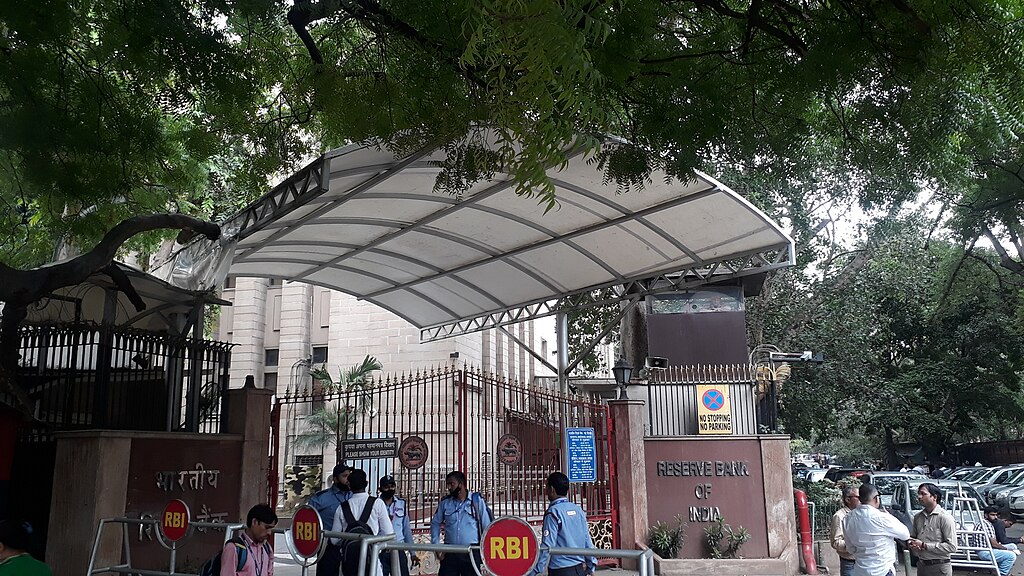
The Reserve Bank of India (RBI) slashed its key repo rate by 50 basis points to 5.50% on Friday, delivering a larger-than-expected cut in a continued effort to stimulate economic growth. This marks the third straight rate cut in 2025, totaling a 100 basis point reduction since February—the first easing cycle since May 2020.
The RBI also reduced the cash reserve ratio (CRR) by 100 basis points to 3%, injecting additional liquidity into the banking system. The decision comes as retail inflation eases sharply, dropping to a six-year low of 3.16% in April—well below the central bank’s medium-term target of 4%. The RBI now forecasts average inflation at 3.7% for the current fiscal year, down from its earlier estimate of 4%.
RBI Governor Sanjay Malhotra emphasized that the drop in inflation created room to "front load" rate cuts and continue policy easing. The monetary policy stance has shifted from “accommodative” to “neutral,” signaling a more balanced approach moving forward.
Market reaction was mixed. India’s 10-year bond yield dipped to 6.18%, while the rupee remained steady at 85.82. Equity markets, initially buoyed by the rate cut, reversed gains and edged down by about 0.1%.
Despite a strong 7.4% GDP growth in the January–March quarter, the RBI maintained its annual growth forecast at 6.5%, underscoring the need for policy support to sustain momentum. India’s economy, though resilient, is targeting even higher growth.
The Monetary Policy Committee (MPC), comprising three RBI officials and three external members, unanimously agreed to the latest rate decision, reflecting a shared commitment to growth amid a favorable inflation backdrop.













