


 US 10-Year Treasury Yield at 6% Emerges as New Market Risk Threshold
  Oil Prices Fall on U.S.-Iran Hormuz Deal Hopes
  RBI Uses $10 Billion Currency Swaps to Drain Excess Rupee Liquidity
  Gold Prices Fall as Treasury Yields Rise on Fed Rate Hike Bets
  Mexico-US Trade Talks Delayed to October as Tariff Negotiations Continue
  Soybean Futures Slip as Traders Await Trump-Xi Trade Signals
  Asian Stocks Fall as Surging Bond Yields Rattle Markets
  Germany’s 2026 Growth Outlook Strengthens on Fiscal Spending
  Canadian Dollar Faces Pressure as Fed-BoC Policy Gap Widens
  U.S. Dollar Hits Two-Month High as Oil, Treasury Yields Surge
  China Agrees to Buy 20 Million Tons of U.S. Coal
  Fed Unveils Stablecoin Rules Under GENIUS Act
  Fed Unveils Stablecoin Rules Under GENIUS Act
  Japanese Yen Rebounds as Trump Flags Currency Weakness
  Fed’s Hammack Says Bond Yield Surge Is Not Driven by Inflation Fears
  US Stock Futures Fall as Treasury Yields Surge Ahead of Trump-Xi Summit
  Dollar Holds Near Two-Month High as Yen Approaches 160


 Add as a preferred source on Google
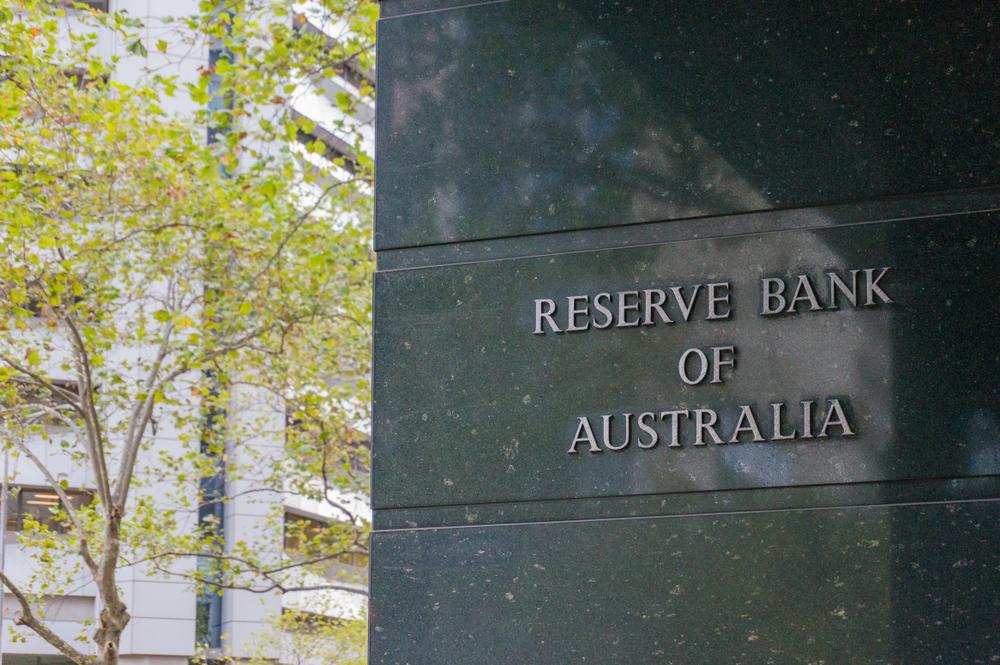
Australia’s central bank is moving closer to publishing unattributed votes from its Monetary Policy Committee (MPC) when consensus isn't reached, a key step in boosting transparency. The Reserve Bank of Australia (RBA) and the federal government are aligning on this reform, which stems from a 2023 independent review of the RBA's operations.
Governor Michele Bullock and Treasurer Jim Chalmers met in Sydney last week to finalize discussions on this measure. According to a Treasury statement, both the government and the RBA support the proposal, agreeing that publishing an unattributed record of votes will apply only in cases of non-consensus. A final decision is expected at the RBA Board’s meeting on July 7-8.
The MPC includes six external members appointed by the treasurer, along with three internal members: the RBA governor, deputy governor, and the treasury secretary. The review had recommended more transparency in decision-making, particularly around interest rate decisions and board deliberations.
The RBA has already enacted most of the suggested reforms, including restructuring the board into two separate bodies—one for monetary policy decisions and another for governance and operations. Earlier this year, two new members joined the rate-setting board, strengthening its diversity and expertise.
This latest step aligns the RBA more closely with international central banking norms, where vote disclosures are common practice. The move aims to build public trust, enhance accountability, and clarify monetary policy direction for markets.
The outcome of the July meeting could mark a turning point in how the RBA communicates its policy decisions, especially at a time when rate guidance remains critical for managing inflation and economic growth.







