


 Sudan Rejects US Legitimacy Remarks, Defends Sovereignty
  Mexico-US Trade Talks Delayed to October as Tariff Negotiations Continue
  Iran Vows ‘Crushing’ Response as US Talks Continue
  Marco Rubio to Meet Russia’s Lavrov in New York
  Gaza Faces Evacuation Crisis as War-Damaged Buildings Risk Collapse
  China Tightens Fentanyl Rules Ahead of Trump-Xi Summit
  Kremlin Says No Grounds Yet for Ukraine Peace Talks
  Russian Missile and Drone Attack on Kyiv Kills Two, Damages Maternity Hospital
  Macron Challenges Trump’s Gaza Peace Claims at UN
  Trump Says ‘Freedom’ Is Coming to Cuba
  Netanyahu Takes Aim at Mamdani as Israel Election Nears
  Venezuela Promises Elections as Delcy Rodriguez Pledges Democratic Transition
  Judge Orders Trump to Restore White House Access for CNN, MS NOW and Politico
  Trump to Press Xi on Release of US Nuclear Expert Held in China
  Ghana Says Western Support Growing for Slave Trade Reparations
  Russian Envoy Dmitriev Heads to US for Ukraine Talks
  US Invites Putin to Miami G20, Opening Door to Trump Summit


 Add as a preferred source on Google
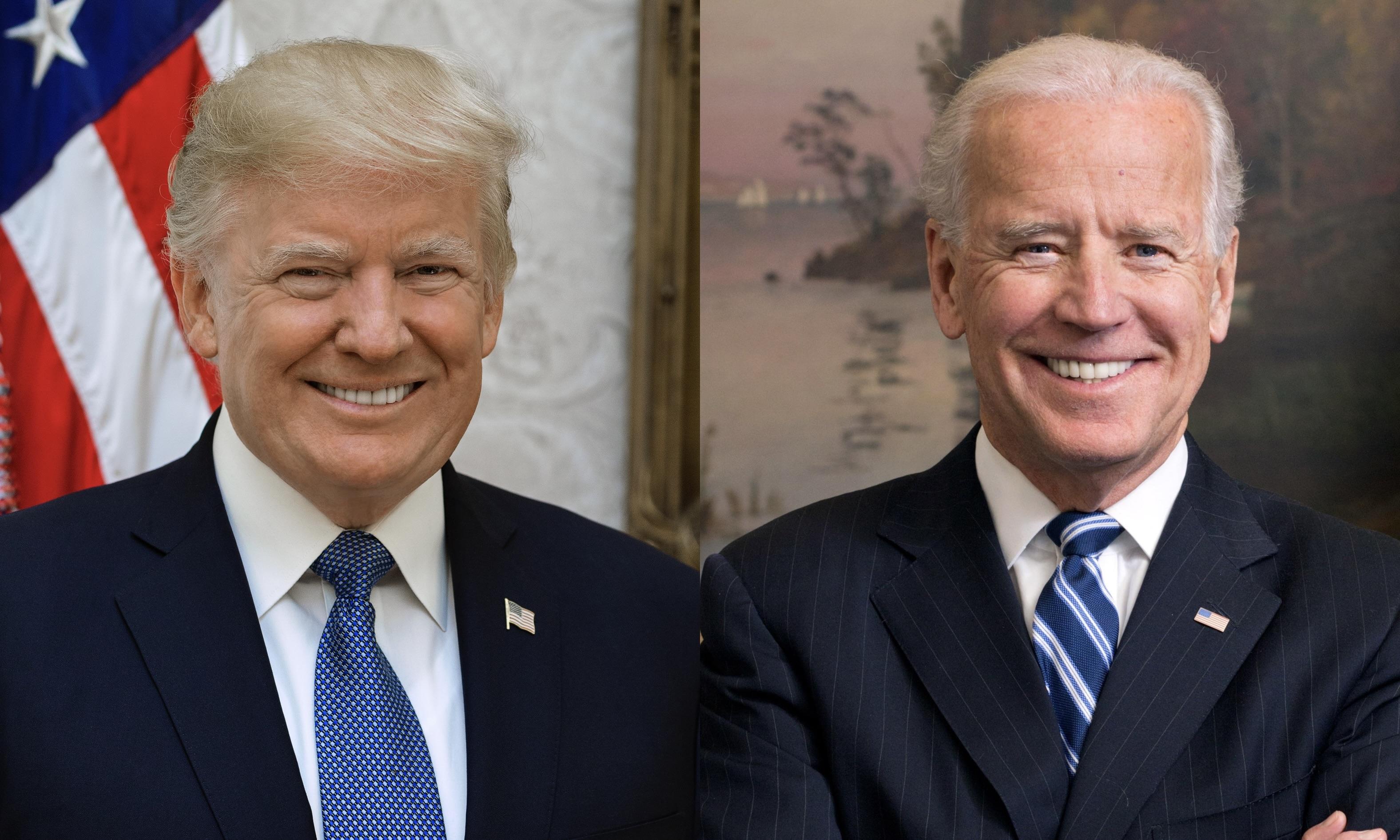
A new poll shows that nearly half of Americans support the idea of detaining undocumented immigrants in militarized camps. The data, derived from the PRRI American Values Survey and reported by Axios, has sent shockwaves through political and social circles, reigniting fierce debates over immigration policies in the United States.
According to the survey, approximately 47% of respondents expressed approval for rounding up undocumented immigrants and placing them in militarized detention centers. The controversial idea is seen by many as a drastic solution to what they view as an ongoing crisis at the U.S.-Mexico border, but critics argue that such measures resemble authoritarian tactics used in oppressive regimes.
The survey, which analyzed the opinions of thousands of Americans from various demographic and political backgrounds, has exposed deep divisions in the country’s approach to immigration. While some see the camps as a necessary step to curb illegal immigration, others view the proposal as a gross violation of human rights.
Outrage from Immigration Advocates
The results have drawn sharp condemnation from immigration advocacy groups and civil rights organizations. Many have expressed concerns that militarized camps could lead to the inhumane treatment of detainees, including families with children.
“Detaining human beings in militarized camps is not only immoral, but it also echoes some of the darkest chapters of history,” said an official from the American Civil Liberties Union (ACLU). “This survey shows how fear and xenophobia are being weaponized to dehumanize those seeking a better life.”
Prominent figures in the political sphere have also weighed in, with some Democrats denouncing the poll results as a sign of increasing extremism in the national conversation about immigration. “The idea of putting immigrants in militarized camps is chilling,” one senator stated. “It’s a policy proposal that has no place in a democratic society.”
Growing Divide in America’s Immigration Debate
The survey’s findings highlight the growing divide between Americans on immigration issues. Supporters of the proposal argue that drastic measures are needed to address what they describe as a “broken” immigration system. Many conservative voices have echoed sentiments that stronger enforcement is the only way to prevent undocumented immigrants from entering the country.
“I’m not surprised by the survey results,” said one respondent in favor of the camps. “We need to secure our borders, and if it means putting people in detention centers, then so be it. The country’s safety should come first.”
Others, however, are appalled by the prospect of militarized camps. Critics have drawn comparisons to internment camps from World War II, warning that such measures would stain the nation’s reputation as a beacon of freedom and democracy.
“This proposal is eerily similar to internment camps we saw in the past, where innocent people were detained simply because of their nationality,” said a historian specializing in human rights abuses. “America is at a crossroads—either we uphold our values, or we give in to fear.”
Political Implications
The survey results could have significant political implications as the 2024 presidential election approaches. Immigration is expected to be a major issue on the campaign trail, and candidates on both sides of the political spectrum will likely need to address the growing polarization on how to handle the influx of undocumented immigrants.
While hardline immigration policies may resonate with some voters, they risk alienating others who prioritize human rights and humane treatment for migrants. Analysts predict that this debate will only intensify as election season ramps up.
A Dark Future or a Call for Reform?
As the country grapples with the implications of the survey, the future of immigration policy remains uncertain. What is clear, however, is that the debate over how to handle undocumented immigrants is far from over, and the idea of militarized camps will likely continue to spark fierce controversy.
With nearly half of Americans backing the proposal, the nation now faces a crucial moment of reflection: Will it adopt increasingly extreme measures, or will it strive for a more compassionate and humane approach?
The conversation has only just begun.







