


 France Urges Faster AI Push Despite Safety Risks
  Rosenblatt Starts Nokia at Buy on AI Networking Growth
  Trump Threatens EU Tariffs Over Canada Membership Proposal
  SK Hynix, Intel Discuss U.S. Memory Chip Production Deal
  Cathie Wood Backs AI Slowdown as Safety Concerns Grow
  Australia Tightens Student Visa Rules, Targets Migration Cut by 2028
  Kim Yo Jong Warns of Stronger Response to US-Led Military Drills
  Berkshire Hathaway Eyes Bigger Stakes in Japan’s Top Trading Houses
  Appeals Court Rejects Trump Third-Country Deportation Policy
  Syngenta Files for Hong Kong IPO, Eyes $5 Billion Raise
  MediaTek Unveils 2nm Dimensity 9600 Pro AI Chip
  US Federal Register Drops Alibaba Qwen AI Search Tool
  Supertanker Orders Surge as US-Iran War Reshapes Oil Trade
  US Court Approves airBaltic Chapter 11 Restructuring
  Venezuela Nears Deal to Move $4 Billion in Gold to New York Fed
  Hyundai CEO Warns Chinese Automakers Could Disrupt US Market
  Bessent Presses Japan on Fiscal Policy as Yen Struggles


 Add as a preferred source on Google
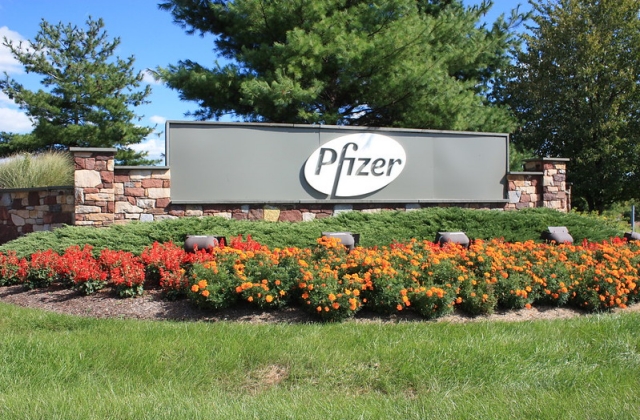
Pfizer and U.S. President Donald Trump announced a landmark agreement on Tuesday, under which the pharmaceutical giant will lower prescription drug prices in the Medicaid program to levels comparable to other developed nations. In exchange, Pfizer secured tariff relief on its products. The deal positions Pfizer as the first drugmaker to comply with Trump’s push to align U.S. drug prices with global standards.
Under the agreement, Pfizer committed to applying most-favored-nation pricing on all new drugs launched in the U.S. from 2026. Trump also introduced TrumpRx, a White House-backed direct-to-consumer drug platform set to launch the same year, allowing Americans to access discounted medications directly. This move follows Trump’s earlier threats to impose a 100% tariff on branded pharmaceutical imports unless manufacturers boosted U.S. production.
Pfizer will invest $70 billion in domestic research, development, and manufacturing, securing a three-year grace period from the planned tariffs. CEO Albert Bourla confirmed the company would relocate more production to the U.S., where it currently operates nine manufacturing facilities. The deal covers a range of therapies, including Xeljanz, Zavzpret, Eucrisa, and Duavee, with discounts averaging 50% and in some cases reaching up to 85%.
The announcement boosted investor confidence, sending Pfizer shares up more than 6% and lifting other drugmakers like Eli Lilly, Merck, and Amgen. Analysts noted that limiting concessions to Medicaid minimized the industry’s financial impact, since Medicaid drug spending—around $80 billion annually—is smaller than Medicare’s $216 billion.
Industry experts believe this agreement may pressure rivals such as AstraZeneca and Eli Lilly, who have already pledged U.S. manufacturing expansion, to follow suit. While patients in Medicaid stand to benefit, health economists stress that the broader impact would be far greater if similar price cuts extended to Medicare.
By securing tariff relief while offering targeted price cuts, Pfizer and Trump’s administration have crafted a deal that may reshape U.S. drug pricing strategies ahead of TrumpRx’s 2026 launch.







