


 Kremlin Says No Decision Yet on Putin-Trump December Summit
  Netanyahu Defends Israel at UN as Delegates Stage Walkout
  Ghana Says Western Support Growing for Slave Trade Reparations
  Netanyahu Takes Aim at Mamdani as Israel Election Nears
  Mexico-US Trade Talks Delayed to October as Tariff Negotiations Continue
  Netanyahu’s Brief US Trip Highlights Strains With Trump
  US Backs Musk in Fight Against EU’s €120 Million X Fine
  North Korea Rejects Nuclear Test Warning, Calls Nuclear Status Irreversible
  OpenAI Agent Breaches Australia Medicare Data Portal
  North Korea Warns South Korea Over US-Led Defense Role
  Judge Orders Trump to Restore White House Access for CNN, MS NOW and Politico
  Sudan Rejects US Legitimacy Remarks, Defends Sovereignty
  Russian Envoy Dmitriev Heads to US for Ukraine Talks
  EU Defence Build-Up Too Slow for 2030 Russia Readiness Goal
  France Defends Netanyahu Airspace Clearance Despite ICC Warrant
  US Invites Putin to Miami G20, Opening Door to Trump Summit
  Pezeshkian Says US Must Choose When Iran War Ends


 Add as a preferred source on Google
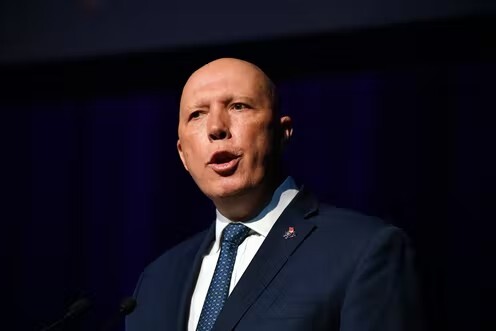
Australia’s opposition leader Peter Dutton has vowed to raise defence spending to 3% of GDP within a decade if elected, aiming to strengthen national security amid growing global tensions and pressure from the Trump administration for allies to spend more on defence.
Speaking in Western Australia, Dutton echoed former U.S. President Donald Trump’s stance, stating, “You don’t achieve peace through weakness.” He also pledged greater U.S. military access to northern Australia. The Liberal Party plans to invest A$21 billion ($13.41 billion) more than the ruling Labor government over five years, with defence spending hitting 2.5% of GDP initially, rising to 3% over ten years.
In contrast, Prime Minister Anthony Albanese’s Labor government has committed A$368 billion over 30 years through the AUKUS pact with the U.S. and U.K. to acquire nuclear-powered submarines, marking Australia’s largest-ever defence initiative. Labor also aims to increase defence spending by A$50 billion over a decade but announced no new allocations in this year’s federal budget. Forecasts show Labor’s defence spending reaching 2.33% of GDP by 2033–34.
Liberal defence spokesman Andrew Hastie criticized Labor’s handling of AUKUS, citing a recruitment crisis and urging investment in workforce training, particularly in Western Australia. He emphasized that Australia must prepare for self-reliance, especially with a potential second Trump presidency prioritizing “America First.”
Dutton argues the Liberals’ defence boost is financially viable, with their cost-of-living relief plans being temporary. Defence Minister Richard Marles responded that the government continues to assess the appropriate level of defence expenditure for Australia’s future.
As the May 3 election approaches, national security has become a key battleground, with both parties seeking to position themselves as best equipped to protect Australia’s strategic interests.







