


 Trump Plans Federal AI Force and AI Czar
  US, Denmark and Greenland Reach Deal to Expand American Military Presence
  Russian Drone Attacks Kill Four in Kyiv Region, Including Three Children
  United Russia Leads Russia Election as Ukraine Drones Hit Moscow
  Denmark Says Greenland Sovereignty Protected in US Military Deal
  Michelle Bachelet Withdraws From UN Secretary-General Race
  NATO Commander Joins US Review of Troop Deployments in Europe
  Trump-Xi Summit Puts Trade Truce and Taiwan in Focus
  Bessent Presses Japan on Fiscal Policy as Yen Struggles
  Canada, France Strengthen Space and Defense Ties Amid Global Threats
  Canada Eyes India Trade Deal by Year-End
  Diana’s Brother Backs Security for Harry and Meghan
  Israeli Strikes Across Gaza Leave at Least Three Dead
  Trump, Iran Trade Threats as Middle East Tensions Escalate
  Trump Bans CNN, MS NOW and Politico From White House
  North Korea Fires Two Ballistic Missiles From Wonsan


 Add as a preferred source on Google
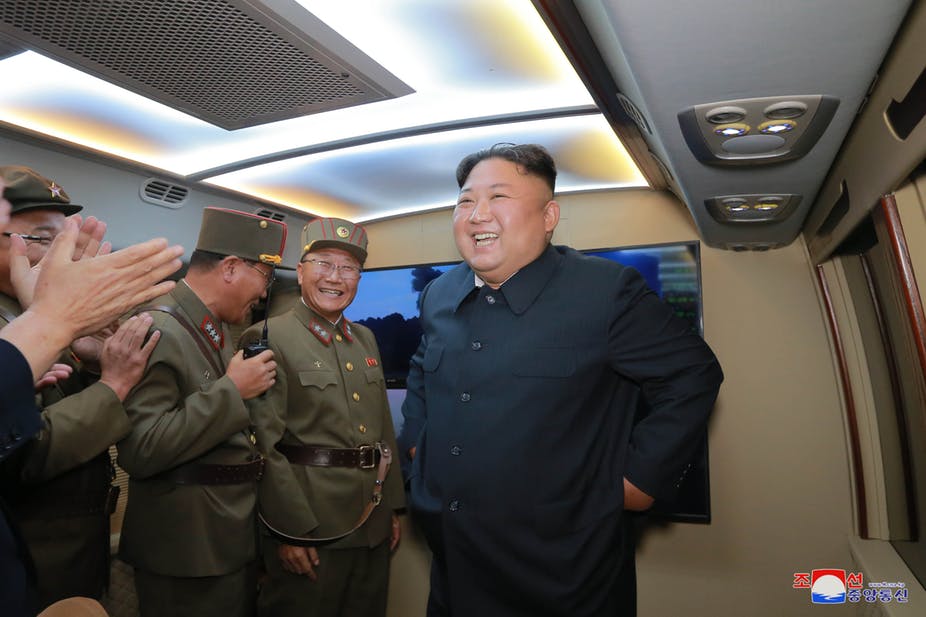
North Korea has sharply criticized the expansion of the U.S. Forces Japan (USFJ) command, warning that the possibility of armed conflict on the Korean Peninsula has become a matter of timing rather than speculation.
In an editorial published Friday by state-run Korean Central News Agency (KCNA), Pyongyang claimed that the increase in U.S. Forces Japan personnel signals the transformation of the command into a full-scale "war command." The editorial accused Washington of strengthening Japan's military capabilities and preparing the country's Self-Defense Forces for potential operations across the Asia-Pacific region.
The remarks came after Lieutenant General Stephen Jost, commander of U.S. Forces Japan, told Japan's Asahi newspaper that headquarters staffing had increased by 215 personnel compared with a year ago. According to Jost, the expansion is intended to enhance command capabilities and improve operational coordination with U.S. allies and partners.
KCNA argued that growing military cooperation among the United States, Japan, and South Korea has intensified regional tensions. The editorial claimed that U.S. Forces Japan would likely serve as one of the first reinforcement units deployed to the Korean Peninsula if hostilities were to break out.
The North Korean commentary also accused Washington of pursuing "military adventurism," asserting that the U.S.-led security partnership in Northeast Asia justifies Pyongyang's continued development of its nuclear weapons program as a deterrent against perceived external threats.
Friday's editorial marked the fourth KCNA commentary this month targeting the trilateral alliance between the United States, Japan, and South Korea. North Korean officials have repeatedly condemned the three countries' expanding military cooperation, joint exercises, and security initiatives, describing them as hostile actions that threaten regional stability.
The latest criticism underscores Pyongyang's ongoing opposition to closer defense coordination among the three allies, while highlighting the continued tensions surrounding military activity and security policy in Northeast Asia. The exchange of accusations reflects the increasingly strained security environment in the region as all sides continue to strengthen their respective military postures.







