


 Arm Holdings Q1 Earnings Beat Estimates, Strong Q2 Outlook Fails to Lift ARM Stock
  OpenAI Revenue Surges After GPT-5.6 Launch as IPO Expectations Grow
  Standard Chartered Beats Profit Forecasts as First-Half Earnings Rise 9%
  TSMC Gradually Restarts Japan Chip Plant After Kumamoto Earthquake
  Amazon Q2 Earnings Beat Estimates as AWS AI Growth Surges, But Q3 Revenue Forecast Disappoints
  Meta CEO Zuckerberg Opposes U.S. Ban on Chinese AI Models, Warns Against Overregulation
  How an OpenAI safety test became a real-world cyberattack on the Hugging Face platform
  X Challenges Australia’s Expanded Social Media Ban Enforcement Powers
  ASML, Applied Materials Slide as China DUV Chip Equipment Breakthrough Sparks Market Jitters
  Sony Eyes $1.3 Billion Tamron Acquisition as Lens Maker Reviews Offer
  Nvidia Eyes $250B Guarantee for OpenAI’s Massive Ohio AI Data Center Project
  Apple Q3 Earnings Beat as Record iPhone Sales Offset Services, China Weakness
  Rio Tinto Stock Jumps as Strong Earnings, Higher Dividend and AI Metal Demand Boost Outlook
  TeamViewer Shares Fall Despite Profit Growth as ARR and Customer Base Decline
  Samsung Q2 Profit Surges on AI Memory Chip Demand, Forecasts Strong Second Half
  Robinhood Q2 Earnings Beat Estimates, But HOOD Stock Falls as Investors Question Profit Quality
  SpaceX Stock Slump Wipes Out Nearly $700 Billion From Elon Musk’s Paper Wealth


Sony Group (TYO: 6758) delivered a strong start to its fiscal 2026, reporting a 40% year-over-year increase in first-quarter operating profit and raising its full-year earnings outlook, fueled by robust performance in its gaming and semiconductor businesses.
For the quarter ended June 30, Sony posted operating profit of 476.5 billion yen ($2.97 billion), while revenue climbed 8% to 2.84 trillion yen. Net profit attributable to shareholders rose 32% to 342.2 billion yen, reflecting solid demand across key business segments and favorable currency movements.
Following the stronger-than-expected results, Sony lifted its fiscal 2026 operating profit forecast to 1.72 trillion yen, up from the 1.60 trillion yen projected in May. The company also increased its annual revenue outlook to 12.5 trillion yenfrom 12.3 trillion yen and raised its net profit forecast to 1.21 trillion yen from 1.16 trillion yen.
Investors welcomed the upgraded guidance, sending Sony shares up 11.7% to 3,807 yen during Friday trading in Tokyo.
Sony’s Imaging & Sensing Solutions segment was the biggest earnings driver, with operating profit more than doubling thanks to stronger sales of mobile image sensors, an improved product mix, and favorable foreign exchange rates. The company said continued global demand for AI technologies has supported its semiconductor business, particularly image sensors used in smartphones and AI-powered devices.
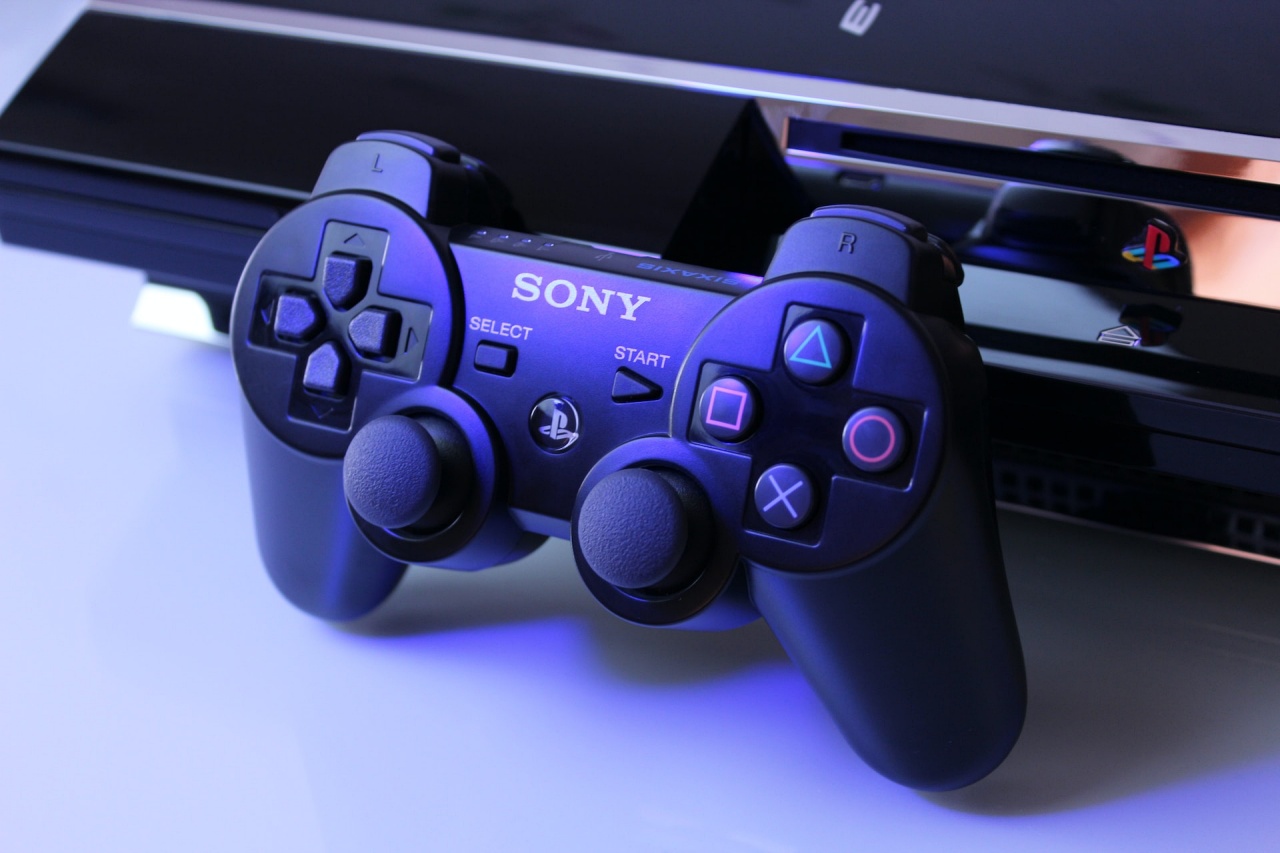
The Game & Network Services division also delivered impressive results, with operating profit rising 37%. Higher earnings were driven by U.S. tariff refunds, currency gains, and continued momentum in the PlayStation ecosystem. Monthly active PlayStation users reached a record 125 million in June, highlighting sustained engagement across Sony’s gaming platform.
Despite the upbeat quarter, Sony remains cautious about the second half of the fiscal year. The company warned that softer memory market conditions could affect shipments of premium smartphones, potentially weighing on demand for high-end image sensors.
Sony also noted that its revised guidance does not include any financial impact from the July 28 Kumamoto earthquake, as it is still assessing potential effects on operations.







