


 Trump, Xi Visit US National Archives After White House Summit
  Judge Orders Trump to Restore White House Access for CNN, MS NOW and Politico
  Najib Razak Seeks Stay of 15-Year 1MDB Prison Sentence
  Kremlin Says No Decision Yet on Putin-Trump December Summit
  Ukrainian Drone Attacks Hit Russian Regions, Injuring at Least 12
  Xi Calls for Deeper U.S.-China AI Cooperation in Trump Talks
  Trump Asks Supreme Court to Restore Third-Country Deportations
  Trump, Xi Focus on Trade and AI at White House Summit
  Netanyahu Takes Aim at Mamdani as Israel Election Nears
  OpenAI Agent Breaches Australia Medicare Data Portal
  North Korea Warns South Korea Over US-Led Defense Role
  Mexico-US Trade Talks Delayed to October as Tariff Negotiations Continue
  NATO Boosts Intelligence Sharing Amid Russia Hybrid Threats
  EU Defence Build-Up Too Slow for 2030 Russia Readiness Goal
  What ‘Taiwan Independence’ Means as Xi Presses Trump on US Policy
  Yemen Violence Displaces 130,000 as Civilian Toll Rises
  Netanyahu’s Brief US Trip Highlights Strains With Trump


 Add as a preferred source on Google
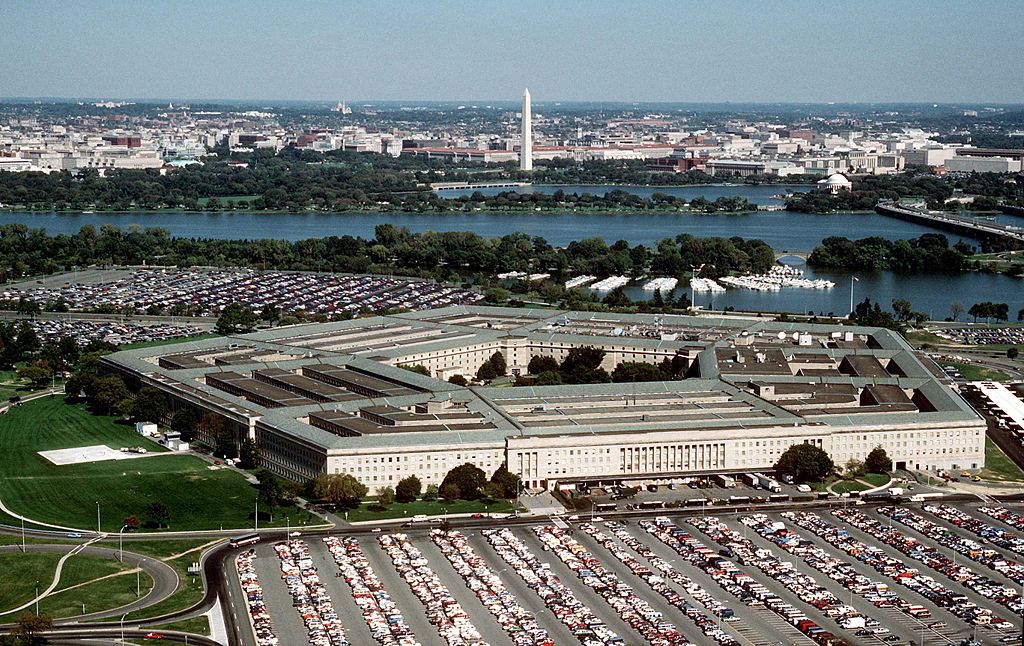
The Pentagon has outlined a shift in its defense posture on the Korean Peninsula, signaling a more limited U.S. role in deterring North Korea while South Korea assumes primary responsibility. This approach is detailed in the latest National Defense Strategy, a key Pentagon policy document released on Friday, and is likely to prompt concern in Seoul.
South Korea currently hosts around 28,500 U.S. troops as part of a combined defense arrangement aimed at countering North Korea’s military threat. In parallel, Seoul has steadily expanded its own defense capabilities, including a 7.5% increase in its defense budget this year. According to the Pentagon, South Korea is now capable of taking the lead in deterrence efforts, supported by “critical but more limited” U.S. involvement.
The document states that this rebalancing aligns with U.S. interests in updating its force posture on the Korean Peninsula. In recent years, U.S. officials have indicated a desire to make American forces in South Korea more flexible, allowing them to respond to a wider range of regional challenges beyond North Korea, such as rising tensions over Taiwan and China’s expanding military influence in the Indo-Pacific.
While South Korea has resisted proposals to redefine the role of U.S. troops, it has invested heavily over the past two decades to strengthen its military. The country now maintains about 450,000 active-duty troops and aims to eventually assume wartime operational control of combined U.S.–South Korean forces.
The National Defense Strategy emphasizes that the Pentagon’s top priority remains defending the U.S. homeland. In the Indo-Pacific, the focus is on preventing China from dominating the United States or its allies. The document notes that this objective does not require regime change, but rather a “decent peace” acceptable to both Washington and Beijing.
Although Taiwan is not explicitly mentioned, the strategy comes amid ongoing tensions over the island, which China claims as its territory. Taiwan rejects those claims, underscoring the broader regional implications of the Pentagon’s evolving defense strategy.







