


 Xi Calls for Deeper U.S.-China AI Cooperation in Trump Talks
  Trump, Xi Focus on Trade and AI at White House Summit
  Saudi Arabia, Turkey and Pakistan Plan Urgent Defence Talks Over Houthi Attacks
  Canada Unveils Bill to Fast-Track Major Resource Projects
  US Bans Canadian Alcohol, Motorcycles as Trade War Escalates
  ICE Agent Arrested in Minneapolis Over Venezuelan Man Shooting
  Sudan Rejects US Legitimacy Remarks, Defends Sovereignty
  Judge Blocks Trump Rule Limiting Foreign Student Visas
  EU Defence Build-Up Too Slow for 2030 Russia Readiness Goal
  What ‘Taiwan Independence’ Means as Xi Presses Trump on US Policy
  FAA Allows Boeing to Sell 35 More 777F Freighters Beyond 2028
  Pentagon Restarts Testosterone Testing for US Troops
  US Judge Dismisses Imran Ahmed Deportation Lawsuit
  US Backs Musk in Fight Against EU’s €120 Million X Fine
  Judge Orders Trump to Restore White House Access for CNN, MS NOW and Politico
  FDA Weighs Safety Standards for Psychedelic Therapies
  DOJ Will Investigate AI-Related Crimes, Attorney General Blanche Says


 Add as a preferred source on Google
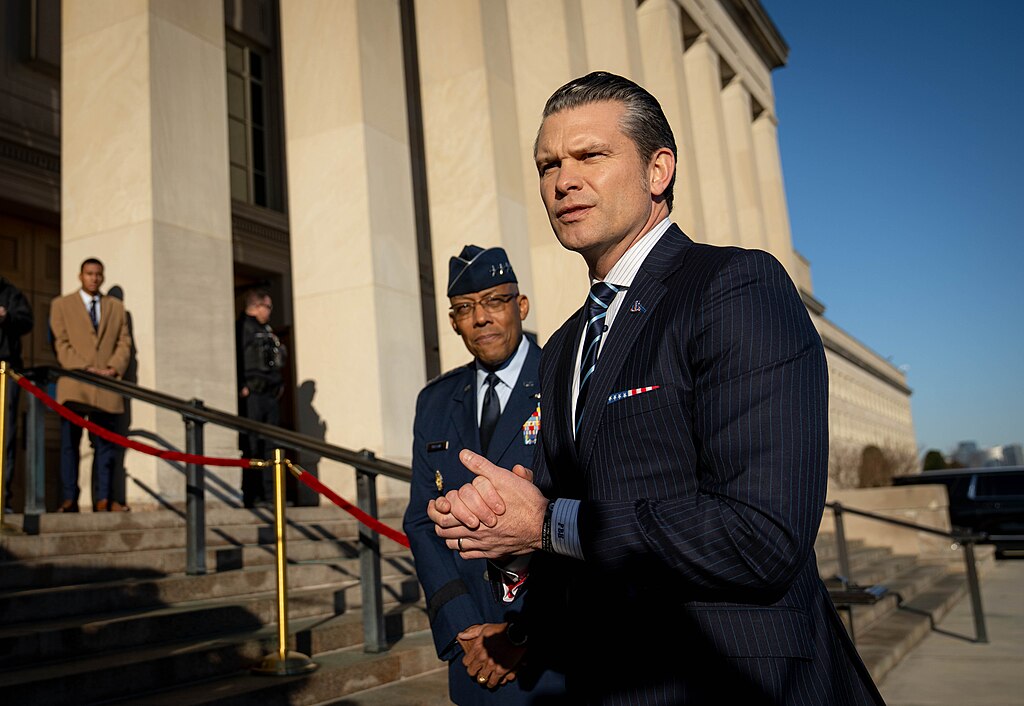
U.S. Defense Secretary Pete Hegseth has announced new restrictions on journalists at the Pentagon, mandating official escorts for press access to most areas of the building. The order, effective immediately, limits credentialed reporters from moving freely within the Department of Defense headquarters in Arlington, Virginia, without prior approval and an official escort.
Hegseth cited national security concerns in a memo, stating that safeguarding classified intelligence and sensitive information is a top priority. “Unauthorized disclosures could endanger U.S. service members,” he wrote. The directive includes plans for new press credentials and heightened scrutiny over their issuance.
The Pentagon Press Association criticized the move, calling it a direct attack on press freedom. The group emphasized that the Pentagon press corps has historically had access to unclassified areas under both Republican and Democratic administrations without compromising operational security—even post-9/11.
Since President Trump’s return to office in January, his administration has taken several steps to tighten control over information. These include launching leak investigations, placing three officials on leave, and expanding the use of polygraph tests across federal agencies. Homeland Security employees have reportedly been warned of termination if they refuse lie detector tests.
In a broader shake-up, legacy media outlets like The New York Times, CNN, and NBC News have been removed from permanent Pentagon office spaces. They have been replaced by pro-Trump outlets such as the New York Post, Breitbart, the Daily Caller, and One America News Network, under a new rotation system aimed at diversifying media access.
The White House defends the changes as efforts to improve security and hold leakers accountable, while critics argue they are part of a broader crackdown on press freedom.







