


 Russian Missile and Drone Attack on Kyiv Kills Two, Damages Maternity Hospital
  US Invites Putin to Miami G20, Opening Door to Trump Summit
  Kremlin Says No Decision Yet on Putin-Trump December Summit
  US Officials Split Over Response to Israeli West Bank Settlements
  France Defends Netanyahu Airspace Clearance Despite ICC Warrant
  Sudan Rejects US Legitimacy Remarks, Defends Sovereignty
  Netanyahu Defends Israel at UN as Delegates Stage Walkout
  Trump Asks Supreme Court to Restore Third-Country Deportations
  US Senate Rejects Iran War Powers Resolution in 50-49 Vote
  OpenAI Agent Breaches Australia Medicare Data Portal
  EU Defence Build-Up Too Slow for 2030 Russia Readiness Goal
  Mexico-US Trade Talks Delayed to October as Tariff Negotiations Continue
  Trump, Xi Focus on Trade and AI at White House Summit
  Gaza Faces Evacuation Crisis as War-Damaged Buildings Risk Collapse
  Pezeshkian Says US Must Choose When Iran War Ends
  Yemen Violence Displaces 130,000 as Civilian Toll Rises
  Judge Orders Trump to Restore White House Access for CNN, MS NOW and Politico


 Add as a preferred source on Google
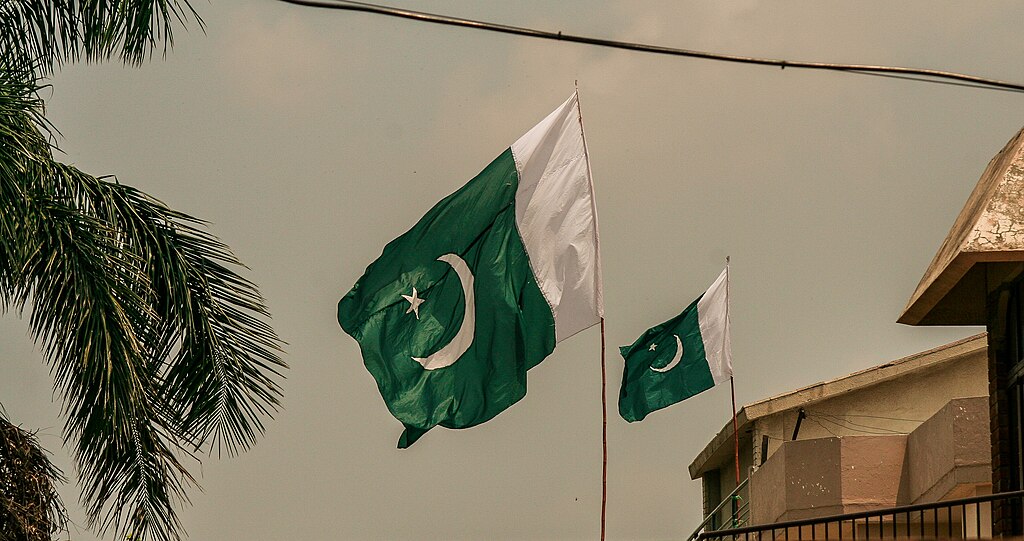
Pakistan has reportedly put a $1.5 billion arms deal with Sudan on hold after Saudi Arabia requested the agreement be terminated and declined to finance the purchase. According to Pakistani security and diplomatic sources, the decision highlights shifting geopolitical dynamics in the region and growing caution among key allies.
The proposed defense deal, which included the supply of military jets and weapons systems, was initially progressing toward completion earlier this year. It was reportedly brokered with Saudi involvement, although Riyadh’s financial backing had not been publicly confirmed at the time. Pakistan’s defense exports have gained increased global attention following heightened military activity with India, making such deals strategically significant for Islamabad.
Saudi Arabia, a long-standing ally of Pakistan, has played a crucial role in supporting the country’s economy through loans and financial assistance. The two nations strengthened ties further with a mutual defense pact signed last year. However, Saudi Arabia’s recent decision to withdraw funding signals a shift in its foreign policy approach, particularly regarding involvement in conflicts across Africa.
Sudan remains embroiled in a prolonged conflict between its national army and the paramilitary Rapid Support Forces (RSF), creating one of the world’s worst humanitarian crises. The ongoing violence has drawn international concern and increased competition among foreign powers, turning Sudan into a strategic hotspot due to its location and gold resources.
Sources indicate that Western nations have advised Saudi Arabia to avoid deeper involvement in proxy conflicts in Africa. A meeting in Riyadh in March between Sudanese military leaders and Saudi officials reportedly led to the final decision to halt financing for the arms deal.
Additionally, another major defense agreement between Pakistan and Libya’s National Army, valued at $4 billion, may also be at risk as Saudi Arabia reassesses its regional strategy. These developments underline the complex interplay of alliances and shifting priorities shaping defense and foreign policy decisions in the Middle East and beyond.







