


 Oil Prices Pull Back After Two-Week Rally as Middle East Supply Risks Persist
  Super Micro Computer Stock Jumps 20% After Record AI Orders and Margin Surge
  Trump Threatens Iran With 'Major Military Punishment' as Red Sea Attacks Push Oil Above $100
  Wistron Opens $700M Texas AI Factory to Build Nvidia Superchips in U.S.
  Intel, AMD Seek Long-Term China Server CPU Deals as AI Demand Drives Supply Crunch
  Gold Price Holds Above $4,130 as Fed Rate Outlook and Middle East Tensions Support Safe-Haven Demand
  Is space worth the cost? Accounting experts say its value can’t be found in spreadsheets
  Volkswagen Cuts 2026 Revenue Outlook as China Weakness, Trade Risks Weigh
  Intel Stock Slips After Earnings Rally Despite Strong AI-Driven Revenue Growth
  India to Continue U.S. Trade Talks After Trump Imposes 10% Import Tariff
  Asian Stocks Rally on AI Spending Optimism as Middle East Tensions Push Oil to Six-Week High
  NASA Resumes Cygnus XL Cargo Docking with Space Station After Software Fix
  Cathay Pacific Sees H1 Profit Surge on Strong Travel Demand
  Rubio Rejects AI ‘Kill Switch’ Claims as U.S. Defends American Technology Abroad
  South Korea Q2 GDP Beats Forecasts as AI Chip Exports Drive Growth
  Tabletop particle accelerator could transform medicine and materials science
  Australia ASIC Tightens Auditor Oversight After KPMG Leak Scandal


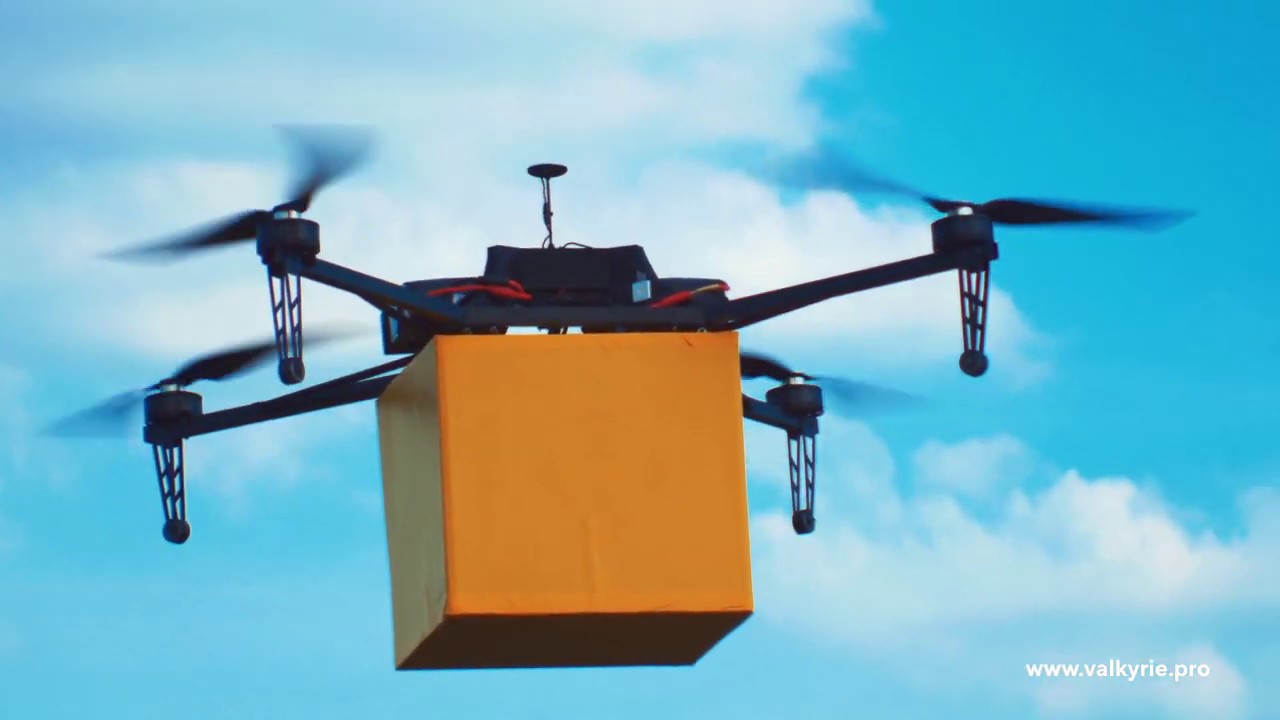
The Korea Institute of Machinery and Materials has developed a 5-kilowatt hydrogen fuel engine that is strong enough to power industrial lift drones with a weight of 20 to 30 kilograms.
The engine supplies hydrogen fuel through the direct spray method while optimizing engine parameters, such as spray and ignition.
It has a maximum output of more than 7 kilowatts.
Batteries currently power unmanned mobility devices.
Researchers are also trying to develop gasoline engine hybrids or hydrogen fuel cell systems to extend flight time.
Hydrogen engines are also free from carbon emissions.







