


 EU Agrees €6.6 Billion Military Aid Funding for Ukraine
  Asian Stocks Fall as Bond Yields Surge Ahead of Trump-Xi Summit
  Australia Unemployment Hits Five-Year High Despite Strong Jobs Growth
  Gold Holds Near $4,275 as Rising Treasury Yields Fuel Fed Rate Hike Bets
  Wall Street Ends Flat as Oil, Treasury Yields and Fed Jitters Rattle Markets
  Najib Razak Seeks Stay of 15-Year 1MDB Prison Sentence
  Ukrainian Drone Attacks Hit Russian Regions, Injuring at Least 12
  Netanyahu’s Brief US Trip Highlights Strains With Trump
  Oil Prices Ease as Iran Tensions Clash With Diplomacy Hopes
  Dollar Falls as Oil Eases, Yen Jumps on Intervention Signals
  Gold Prices Fall as Treasury Yields Rise on Fed Rate Hike Bets
  European Stocks Fall as Bond Yields and Geopolitical Risks Weigh
  Colombia Extradites FARC Dissident Leader ‘Spider’ to US
  Fed Unveils Stablecoin Rules Under GENIUS Act
  Pope Leo Warns UN, Multilateral Groups Face Crisis
  US Comfortable With Canada Trade Standoff as Import Bans Loom
  France Defends Netanyahu Airspace Clearance Despite ICC Warrant


 Add as a preferred source on Google
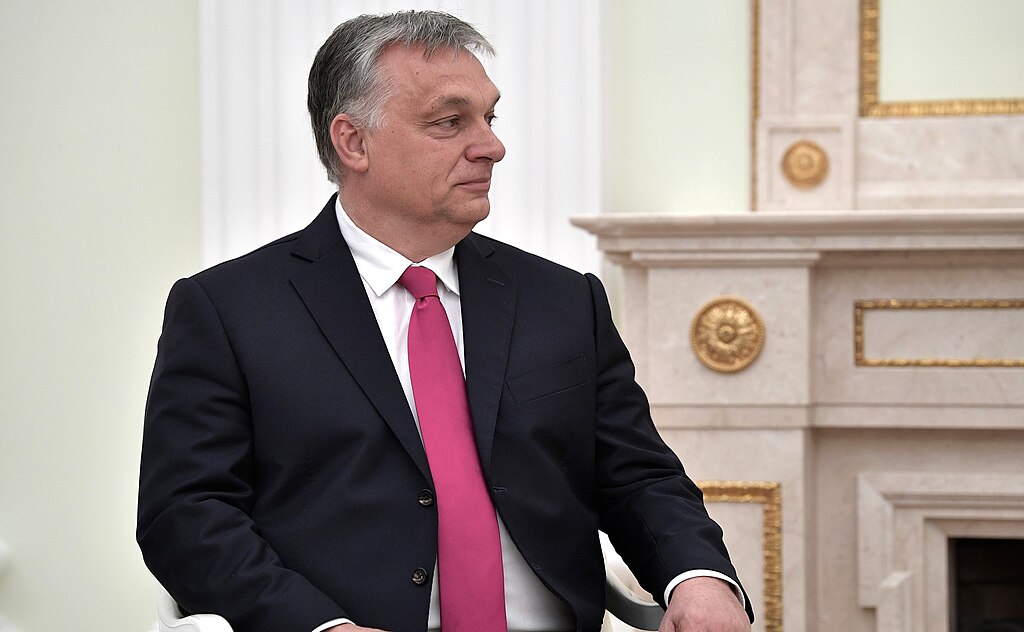
Hungarian Prime Minister Viktor Orban has ruled out adopting the euro, arguing that the European Union is “disintegrating” and that Hungary should not deepen its dependence on the bloc. In an interview with the economic outlet EconomX on Monday, Orban emphasized that linking Hungary’s future more tightly to the EU through the common currency would be a mistake.
Although Hungary relies heavily on trade with the 27-member EU and has benefited from billions of euros in EU development funds since joining in 2004, it does not currently meet the conditions required for euro adoption. Unlike Denmark, Hungary lacks a formal opt-out from joining the eurozone. Other regional EU members such as Poland, the Czech Republic, and Romania also remain outside the euro area for now.
In office since 2010, Orban has frequently clashed with Brussels over rule-of-law issues, leading to the suspension of billions in EU funding. His recent comments underline his growing euroscepticism ahead of the 2026 parliamentary elections, where he faces a challenge from rising opposition leader Peter Magyar. Magyar has promised to restore frozen EU funds and pursue a closer relationship with Brussels, including steps toward adopting the euro.
Orban also weighed in on Hungary’s monetary policy, calling the central bank’s benchmark interest rate of 6.5%—the highest in the EU—“higher than it could be.” The National Bank of Hungary paused rate cuts in September, which has helped the forint reach a 15-month high against the euro by curbing the flow of savings into foreign currencies.
As Hungary’s economy continues to balance national sovereignty with EU integration, Orban’s stance signals that euro adoption remains far from the government’s agenda.







