


 US, China Extend Trade Truce to Jan. 10 Ahead of Trump-Xi Summit
  Japan Private-Sector Growth Slows as Domestic Demand Weakens
  U.S. Treasury Yields Surge as 30-Year Hits 22-Year High
  Russian Envoy Dmitriev Heads to US for Ukraine Talks
  Asian Stocks Fall as Surging Bond Yields Rattle Markets
  China’s ‘Lipstick King’ Says AI Won’t Replace Livestream Hosts
  U.S. 10-Year Treasury Yield Hits 2007 High as Fed Rate Hike Bets Rise
  Asian Currencies Mixed as Dollar Holds Near Two-Month High
  Dollar Holds Near Two-Month High as Yen Approaches 160
  RBI Uses $10 Billion Currency Swaps to Drain Excess Rupee Liquidity
  U.S. Dollar Hits Two-Month High as Oil, Treasury Yields Surge
  Gold Holds Near $4,275 as Rising Treasury Yields Fuel Fed Rate Hike Bets
  South Korea, US Discuss Warship Building Cooperation
  Asian Stocks Fall as Bond Yields Surge Ahead of Trump-Xi Summit
  Oil Prices Jump 3% as Houthi Attack Revives Supply Fears
  Japanese Bank Stocks Surge as Bond Yields Fuel Rate Hike Bets
  Mexico-US Trade Talks Delayed to October as Tariff Negotiations Continue


 Add as a preferred source on Google
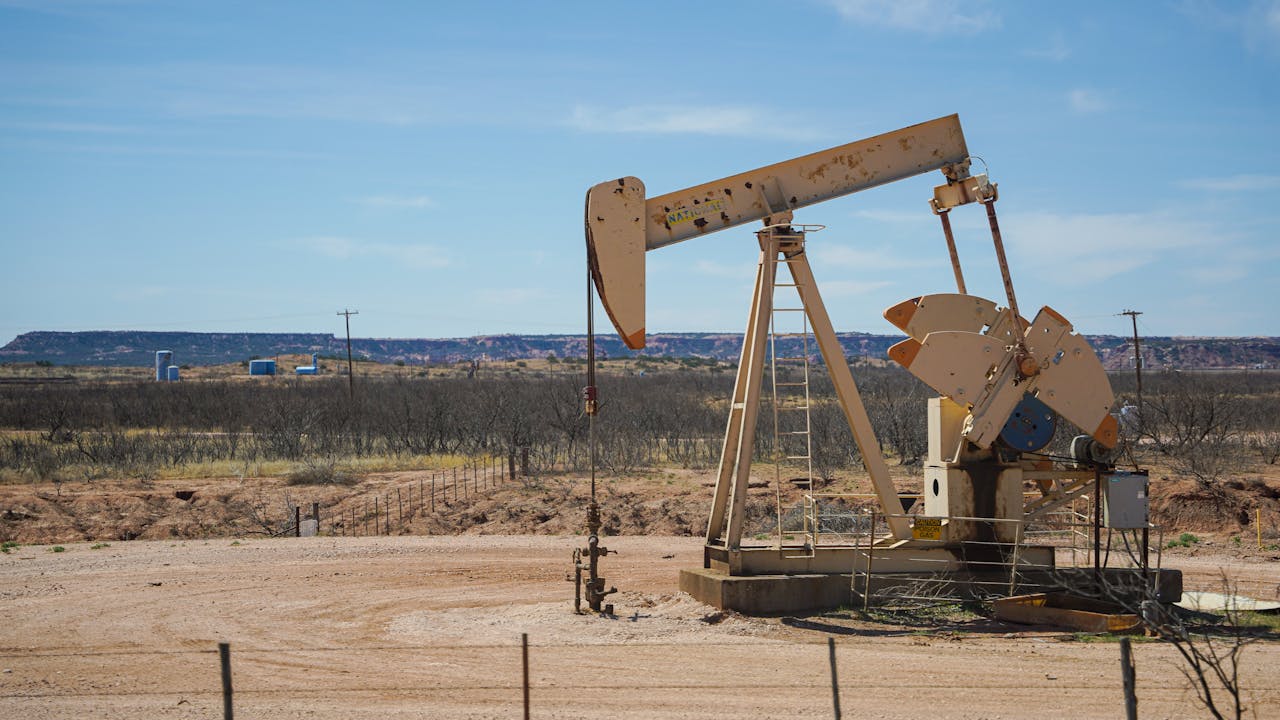
Oil prices were largely unchanged in Asian trading on Wednesday after posting sharp losses in the previous session, as progress in U.S.-Iran nuclear negotiations eased concerns about potential supply disruptions. The latest developments reduced geopolitical risk premiums that had supported crude markets earlier this week.
Brent crude futures for April delivery edged up 0.1% to $67.51 per barrel, while West Texas Intermediate (WTI) crude futures gained 0.1% to $62.40 per barrel. Despite the modest rebound, both benchmarks remained under pressure after Brent dropped nearly 2% and WTI fell 1% on Tuesday.
Market sentiment shifted following reports that Washington and Tehran reached an understanding on key “guiding principles” during ongoing nuclear talks. Although Iranian Foreign Minister Abbas Araqchi clarified that a final agreement is not imminent, the signs of progress raised expectations that Iranian oil exports could eventually return more fully to global markets. Iran remains a significant oil producer, and any easing of sanctions could increase global crude supply, influencing Brent and WTI prices.
Energy traders are closely monitoring developments due to Iran’s strategic position near the Strait of Hormuz, a critical transit route handling roughly 20% of the world’s daily oil consumption. Reduced geopolitical tensions in this region typically weigh on oil prices by lowering supply risk concerns.
Trading volumes in Asia were relatively thin due to Lunar New Year holidays across several regional markets, contributing to limited price movement.
Investors are also awaiting key U.S. oil inventory data. The American Petroleum Institute (API) is set to release its weekly crude stock estimates, followed by official figures from the Energy Information Administration (EIA). These reports will offer insights into U.S. supply trends and short-term price direction.
Additionally, markets are watching the Federal Reserve’s January meeting minutes and the upcoming U.S. Personal Consumption Expenditures (PCE) inflation report for signals on interest rates and future fuel demand.







