


 Macron Urges Stronger European Defense Strategy and Nuclear Deterrence Reform
  U.S. Stocks End Mixed as January CPI Cools, Treasury Yields Slide
  Canada Calls for Regime Change in Iran Amid Rising U.S. Military Tensions
  Ukraine Secures $8.2 Billion IMF Loan as Tax Conditions Are Eased
  U.S.-Iran and Russia-Ukraine Talks Set for High-Stakes Geneva Meeting
  Trump Maritime Action Plan Targets U.S. Shipbuilding Revival and Port Fee Funding
  ECB Expands Euro Liquidity Backstop to Strengthen Global Role of the Euro
  Federal Reserve Faces Subpoena Delay Amid Investigation Into Chair Jerome Powell
  U.S. Stock Futures Edge Higher Ahead of Holiday as Investors Await Key Economic Data
  UK House Prices Hold Steady in February as Rightmove Reports Post-Budget Market Stability
  Anduril Eyes $60 Billion Valuation in New Funding Round to Expand Defense Manufacturing and Autonomous Fighter Jet Development
  Anthropic’s Claude AI Reportedly Used in U.S. Operation to Capture Nicolas Maduro
  Asian Markets Consolidate Gains as Japan GDP Disappoints and Fed Rate Cut Bets Rise
  Trump Administration Sues Harvard Over Alleged Race-Based Admissions Practices
  Democrats Accuse Trump of Weakening U.S. Tech Security Measures Against China
  Oil Prices Edge Higher as US-Iran Tensions and Strong Payroll Data Shape Market Sentiment


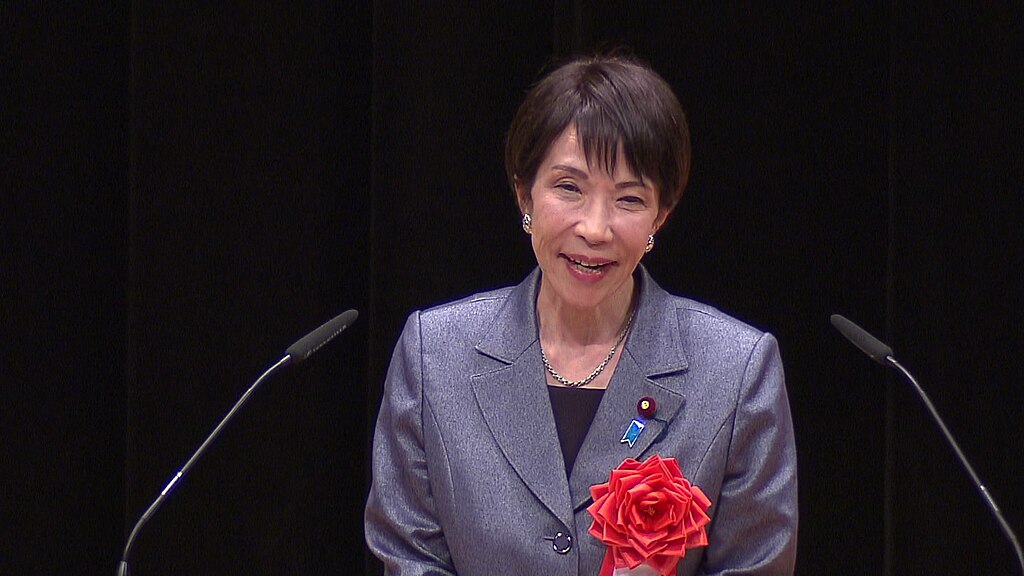
Bank of Japan Governor Kazuo Ueda and Prime Minister Sanae Takaichi are set to hold their first bilateral meeting on Monday since the ruling party’s landslide election victory, a discussion that could shape expectations for the Bank of Japan’s next interest rate decision. The meeting, scheduled for 5 p.m. (0800 GMT), comes as financial markets increasingly speculate that the BOJ may raise interest rates as early as March or April amid persistent inflation and currency volatility.
The Japanese yen has been a central factor in the rate-hike debate. After weakening to near the psychologically significant 160 level against the U.S. dollar in January, the yen rebounded nearly 3% last week—its strongest gain since November 2024. On Monday, the dollar traded at 152.66 yen in Asian markets. Analysts suggest that the yen’s recent recovery could influence the government’s stance on the pace of further monetary tightening.
Ueda and Takaichi last met in November, shortly before the BOJ raised its short-term policy rate in December to 0.75%, marking a 30-year high. At the time, the yen had been under pressure amid concerns that Takaichi, known for supporting expansionary fiscal and monetary policies, might oppose early rate hikes. However, Ueda later said the prime minister appeared to understand the central bank’s gradual approach to achieving its 2% inflation target.
Since taking office, Ueda has overseen the BOJ’s exit from its predecessor’s massive stimulus program in 2024 and implemented multiple rate increases. With inflation remaining above the 2% target for nearly four years, the central bank has emphasized its readiness to tighten policy further. Markets currently price in roughly an 80% probability of another rate hike by April.
Political influence remains a key consideration. While the Bank of Japan operates independently under Japanese law, currency movements and rising living costs often intensify government pressure. Takaichi also holds the authority to appoint two new members to the BOJ’s nine-member policy board this year, a move that could significantly impact Japan’s future monetary policy direction.













