


 Dollar Holds Near Two-Month High as Yen Approaches 160
  Japanese Yen Rebounds as Trump Flags Currency Weakness
  Oil Prices Jump 3% as Houthi Attack Revives Supply Fears
  US Stock Futures Fall as Treasury Yields Surge Ahead of Trump-Xi Summit
  RBI Uses $10 Billion Currency Swaps to Drain Excess Rupee Liquidity
  Wall Street Ends Flat as Oil, Treasury Yields and Fed Jitters Rattle Markets
  Gold Prices Fall as Treasury Yields Rise on Fed Rate Hike Bets
  Oil Prices Ease as Iran Tensions Clash With Diplomacy Hopes
  China’s ‘Lipstick King’ Says AI Won’t Replace Livestream Hosts
  Fed Unveils Stablecoin Rules Under GENIUS Act
  Oil Prices Fall on U.S.-Iran Hormuz Deal Hopes
  Soybean Futures Slip as Traders Await Trump-Xi Trade Signals
  US 10-Year Treasury Yield at 6% Emerges as New Market Risk Threshold
  Asian Currencies Mixed as Dollar Holds Near Two-Month High
  US Comfortable With Canada Trade Standoff as Import Bans Loom
  Fed’s Hammack Says Bond Yield Surge Is Not Driven by Inflation Fears


 Add as a preferred source on Google
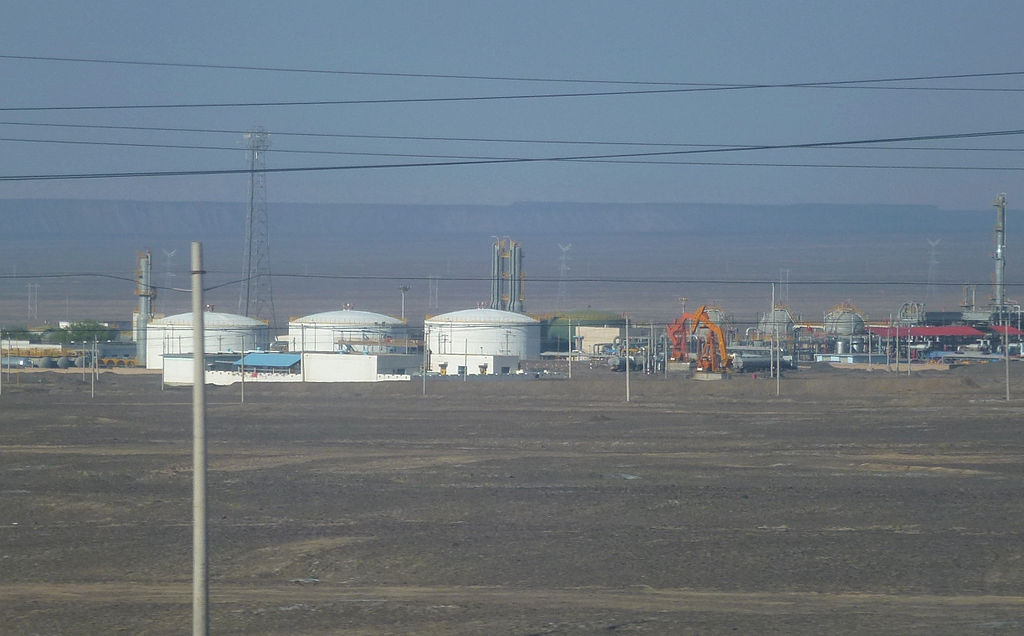
Oil prices fell in Asian trade on Friday as weak demand signals and oversupply concerns pressured the market, though both benchmarks remained on track for modest weekly gains. Brent crude futures dropped 0.5% to $66.03 a barrel, while West Texas Intermediate (WTI) declined 0.6% to $61.74. Both contracts were still up between 0.5% and 1% for the week.
Crude prices were weighed down by a bearish monthly report from the International Energy Agency (IEA), which projected global oil production will rise more than previously expected. The IEA forecast supply growth of 2.7 million barrels per day (bpd) in 2025 and another 2.1 million bpd in 2026, largely from OPEC+ and its allies. By contrast, OPEC maintained its higher demand growth outlook, estimating consumption will climb by 1.29 million bpd in 2025, nearly double the IEA’s forecast.
Oil also faced pressure from weak U.S. economic data and a dip in fuel demand, as reflected in American inventory reports. Inflation data showing stronger price pressures fueled concerns over consumer spending but also boosted expectations of a Federal Reserve interest rate cut, which weighed on the dollar and offered some support to crude.
Geopolitical risks provided limited upside. Escalating Russia-Ukraine tensions and Middle East conflicts added a risk premium, while reports suggested the U.S. is urging G7 nations to impose harsher tariffs on buyers of Russian oil, especially India and China. Washington is reportedly pushing for tariffs as high as 100%, compared to the current 50%, to pressure the two biggest crude importers to curb Russian purchases. Any disruption to their supplies could tighten global markets.
Despite these drivers, oversupply forecasts and sluggish demand remain dominant, keeping oil prices under pressure.







