


 Asian Chip Stocks Tumble as OpenAI Safety Pause Sparks AI Growth Concerns
  Germany’s 2026 Growth Outlook Strengthens on Fiscal Spending
  Trump to Ease U.S. Fuel-Economy Standards
  Oil Surge Pressures Global Stocks as U.S.-Iran Truce Hopes Fade
  XRP Price Targets $1.70 as Bullish Momentum Builds
  Australia Budget Deficit Narrows to A$22.3 Billion on Stronger Tax Revenue
  Japanese Yen Rebounds as Trump Flags Currency Weakness
  Japanese Bank Stocks Surge as Bond Yields Fuel Rate Hike Bets
  US Comfortable With Canada Trade Standoff as Import Bans Loom
  South Korea Tax Windfall Could Top 50 Trillion Won on Chip Boom
  China Consumer Stocks Near Decade Lows as AI Shares Surge
  China Industrial Profit Growth Slows as Weak Demand Offsets AI Gains
  Gold Holds Near $4,275 as Rising Treasury Yields Fuel Fed Rate Hike Bets
  China Agrees to Buy 20 Million Tons of U.S. Coal
  Hong Kong Home Prices Stabilize in August After July Decline
  RBA Set for September Rate Hike as Inflation Stays High
  Dollar Falls as Oil Eases, Yen Jumps on Intervention Signals


 Add as a preferred source on Google
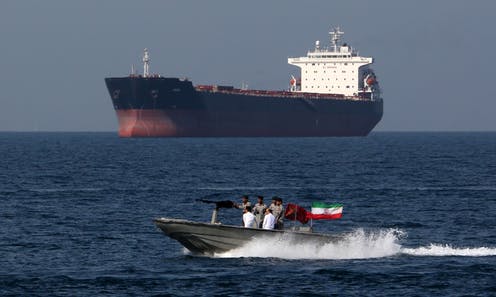
Oil prices climbed more than 1% on Monday as tensions surrounding the Strait of Hormuz remained elevated, with Iran refusing to ease its conditions for reopening the critical energy shipping route after U.S. President Donald Trump rejected Tehran’s latest proposal.
As of 21:09 ET (01:09 GMT), November Brent crude futures gained 1.1% to $105.48 a barrel, while West Texas Intermediate (WTI) crude futures rose 0.8% to $93.12 a barrel.
Iran has proposed reopening the Strait of Hormuz and restarting negotiations within seven days if Washington lifts its naval blockade, removes sanctions on Iranian oil sales and restores a regional ceasefire. Tehran has maintained those conditions despite Trump rejecting the proposal over the weekend.
Still, diplomatic efforts have not ended. Trump said he expects further U.S.-Iran talks this week, while Qatar continues shuttle diplomacy between Washington and Tehran in an attempt to narrow differences.
Uncertainty over the Strait of Hormuz remains a major driver for global oil markets. The strategic waterway normally handles roughly one-fifth of global oil flows, making prolonged disruptions a significant risk to crude and refined-product supplies.
Regional security concerns are also adding a risk premium to oil prices. Iran-backed Houthi forces in Yemen have intensified attacks targeting Saudi Arabia and shipping routes, further raising concerns about Middle East energy infrastructure and trade.
Despite the disruption, some crude continues to move through Hormuz. Trump said more than 20 million barrels transited the strait over the weekend, marking the strongest flow since the conflict began.
Fuel markets are also under pressure. Tightened Middle Eastern and Russian energy exports have pushed diesel prices sharply higher in Europe and the United States, leaving traders focused on diplomatic developments, shipping flows and potential supply disruptions as the new trading week begins.







