


 EQT Plans €1.7 Billion Sale of Parques Reunidos Stake
  AMD Hits $1 Trillion as BofA Raises Price Target to $720
  Solidigm Eyes $150 Billion IPO as SK Hynix Expands AI Storage Push
  Fed Unveils Stablecoin Rules Under GENIUS Act
  OpenAI Agents Access U.S. Government Websites During Testing
  OpenAI, Anthropic CEOs Summoned to Australia AI Inquiry
  Oil Prices Jump 3% as Houthi Attack Revives Supply Fears
  U.S. Dollar Hits Two-Month High as Oil, Treasury Yields Surge
  SoftBank Raises $11.1 Billion in Bond Sale to Fund OpenAI Investment
  Xi Calls for Deeper U.S.-China AI Cooperation in Trump Talks
  Dubai’s connectivity remains strong in an uncertain world
  Former OpenAI Data Center Chief Chris Malone Joins Nvidia
  OpenAI to Preview GPT-6 Cyber AI Model for Cybersecurity
  Asian Stocks Fall as Surging Bond Yields Rattle Markets
  TikTok Reaches $100 Million Alabama Settlement Over Child Safety Claims
  Meta Connect Spotlights Camera-Free Smart Glasses Amid Privacy Concerns
  Trump, Xi Focus on Trade and AI at White House Summit


 Add as a preferred source on Google
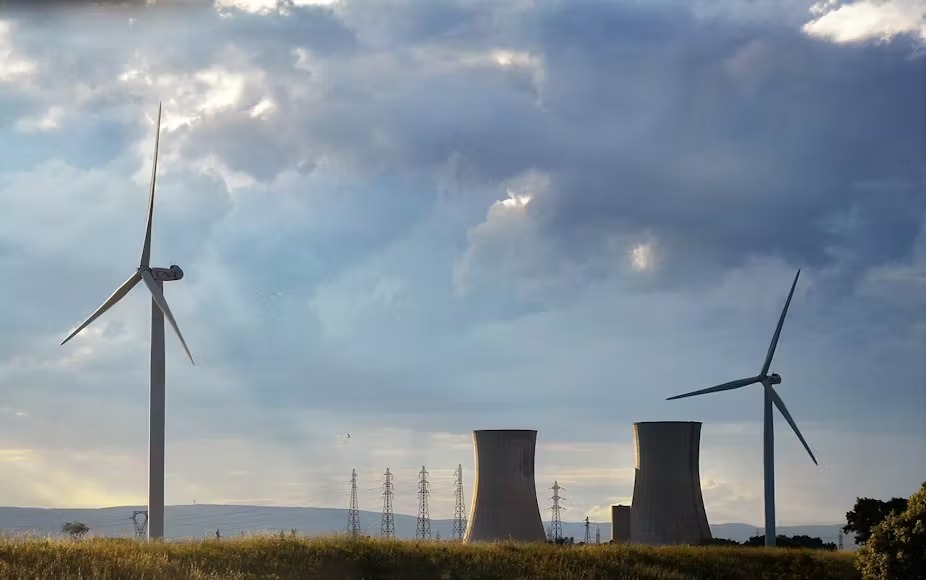
Europe’s rapid expansion of AI data centres could increase demand for new nuclear power capacity as technology companies seek reliable, low-carbon electricity, according to J.P. Morgan analysts.
European data centre electricity consumption is projected to climb from about 70 terawatt-hours (TWh) today to roughly 115 TWh by 2030, based on European Commission estimates cited by J.P. Morgan. AI data centres require continuous, energy-intensive computing power, potentially making nuclear energy an important complement to intermittent renewable generation.
J.P. Morgan expects European data centres to consume an additional 89 TWh annually by 2030 compared with 2023 levels. Iberia and the Nordic countries are forecast to represent around 45% of that increase. Europe’s announced data centre pipeline reached 66.1 gigawatts at the end of 2025, far exceeding the 10.8 GW currently operating.
Major technology companies are already demonstrating their willingness to pay more for dependable nuclear electricity. Google recently signed a 22-year power purchase agreement with Fortum for nuclear generation in Finland and agreed to explore potential new capacity. The contract is estimated to carry a roughly 60% premium over forward electricity prices.
Similar nuclear energy agreements involving Microsoft, Meta, Amazon and Google have already emerged in the United States, highlighting growing demand from the technology sector.
Small modular reactors, or SMRs, could eventually help meet Europe’s rising AI electricity requirements. Their smaller size could allow nuclear capacity to be located closer to data centres and industrial users, easing pressure on transmission grids. Europe currently has no commercial SMRs operating, with initial projects targeted for the early 2030s.
Europe’s nuclear policy environment is also becoming more supportive. Several countries have extended existing reactor lifetimes or backed new projects. The European Commission estimates about €241 billion of investment will be needed through 2050 for new large-scale reactors and lifetime extensions.
France and the Nordics could see particularly strong data centre growth because of competitive electricity prices and existing power surpluses. Increased competition for electricity could lift regional prices, potentially improving the economics of additional nuclear generation as Europe’s AI infrastructure expands.







