


 U.S. Dollar Hits Two-Month High as Oil, Treasury Yields Surge
  Fed’s Hammack Says Bond Yield Surge Is Not Driven by Inflation Fears
  Japan Private-Sector Growth Slows as Domestic Demand Weakens
  Asian Currencies Mixed as Dollar Holds Near Two-Month High
  RBI Uses $10 Billion Currency Swaps to Drain Excess Rupee Liquidity
  China’s ‘Lipstick King’ Says AI Won’t Replace Livestream Hosts
  Asian Stocks Fall as Bond Yields Surge Ahead of Trump-Xi Summit
  Dollar Falls as Oil Eases, Yen Jumps on Intervention Signals
  Japanese Bank Stocks Surge as Bond Yields Fuel Rate Hike Bets
  Wall Street Ends Flat as Oil, Treasury Yields and Fed Jitters Rattle Markets
  Mexico-US Trade Talks Delayed to October as Tariff Negotiations Continue
  Oil Prices Jump 3% as Houthi Attack Revives Supply Fears
  US Stock Futures Fall as Treasury Yields Surge Ahead of Trump-Xi Summit
  U.S. Treasury Yields Surge as 30-Year Hits 22-Year High
  Gold Holds Near $4,275 as Rising Treasury Yields Fuel Fed Rate Hike Bets
  Gold Prices Fall as Treasury Yields Rise on Fed Rate Hike Bets


 Add as a preferred source on Google
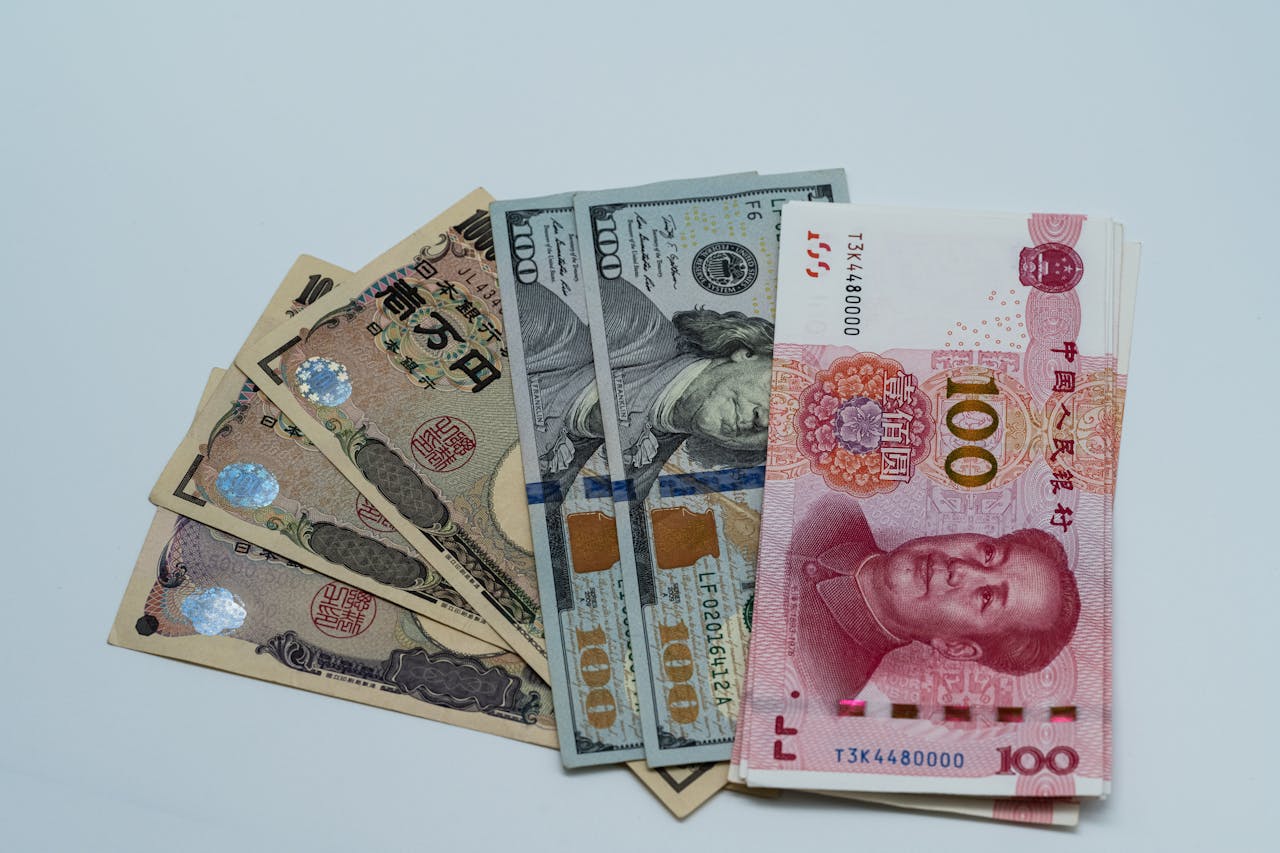
The Japanese yen ended a five-day losing streak on Friday, rebounding from the closely watched 160-per-dollar level after Tokyo disclosed that U.S. President Donald Trump had raised concerns about the currency’s weakness during a recent meeting with Japanese Prime Minister Sanae Takaichi.
The yen strengthened about 0.8% to 157.72 per dollar, recovering from its lowest level in nearly a month and posting its first daily gain in six sessions. Despite its strongest performance in more than two weeks, the Japanese currency remained on track for a weekly decline of roughly 0.7%.
Japanese Finance Minister Satsuki Katayama said Trump discussed the yen’s depreciation during his September 22 meeting with Takaichi in New York. Katayama said Takaichi told Trump that an “undervalued yen is problematic,” while Japanese officials continue coordinating with U.S. Treasury Secretary Scott Bessent over excessive currency volatility.
The renewed focus on the yen follows its recent slide toward 38-year lows beyond 161.80 per dollar. Japan and the United States previously conducted a $35 billion joint foreign-exchange intervention on July 31.
Meanwhile, the broader U.S. dollar remained strong, with the dollar index trading near a two-month high and heading for a 0.8% weekly gain. Rising U.S. Treasury yields supported the greenback, with the 30-year yield reaching 5.472% and the 10-year yield hovering near 5.185%.
Strong U.S. economic data also reinforced expectations for another Federal Reserve interest rate increase. Initial jobless claims fell to 197,000, while CME FedWatch data showed markets pricing a 70% probability of a 25-basis-point rate hike in October, compared with 50% a week earlier.
The euro rose about 0.2% to $1.1440 but remained headed for its third consecutive weekly decline, down roughly 0.8%. Investors are awaiting comments from New York Fed President John Williams for additional guidance on U.S. monetary policy.
Sterling traders are also watching Bank of England Governor Andrew Bailey for signals on how policymakers will navigate persistent wage pressures and slowing private-sector momentum.







