


 Taiwan Says U.S. Arms Sales Protect Chip Supply
  Ukrainian Drone Attacks Hit Russian Regions, Injuring at Least 12
  Germany Political Risks Rise as Merz Faces Coalition Pressure
  North Korea Tests Drone-Missile Swarm Attack Tactics
  Najib Razak Seeks Stay of 15-Year 1MDB Prison Sentence
  Trump to Ease U.S. Fuel-Economy Standards
  China Agrees to Buy 20 Million Tons of U.S. Coal
  Saudi Arabia, Turkey and Pakistan Plan Urgent Defence Talks Over Houthi Attacks
  Republicans Flood Safe House Races With Cash as Midterm Risks Rise
  China Says U.S. Shares Responsibility for AI Governance
  OpenAI, Anthropic CEOs Summoned to Australia AI Inquiry
  Trump Warns China Against Supporting Iran in Xi Talks
  What ‘Taiwan Independence’ Means as Xi Presses Trump on US Policy
  Evan Gershkovich Says FSB Set Trap for 2023 Russia Arrest
  US Supreme Court Revives Trump Administration Voter Citizenship Database
  Pope Leo Warns UN, Multilateral Groups Face Crisis
  UK PM Burnham Signals Social Care Tax Changes, Questions Heathrow Expansion


 Add as a preferred source on Google
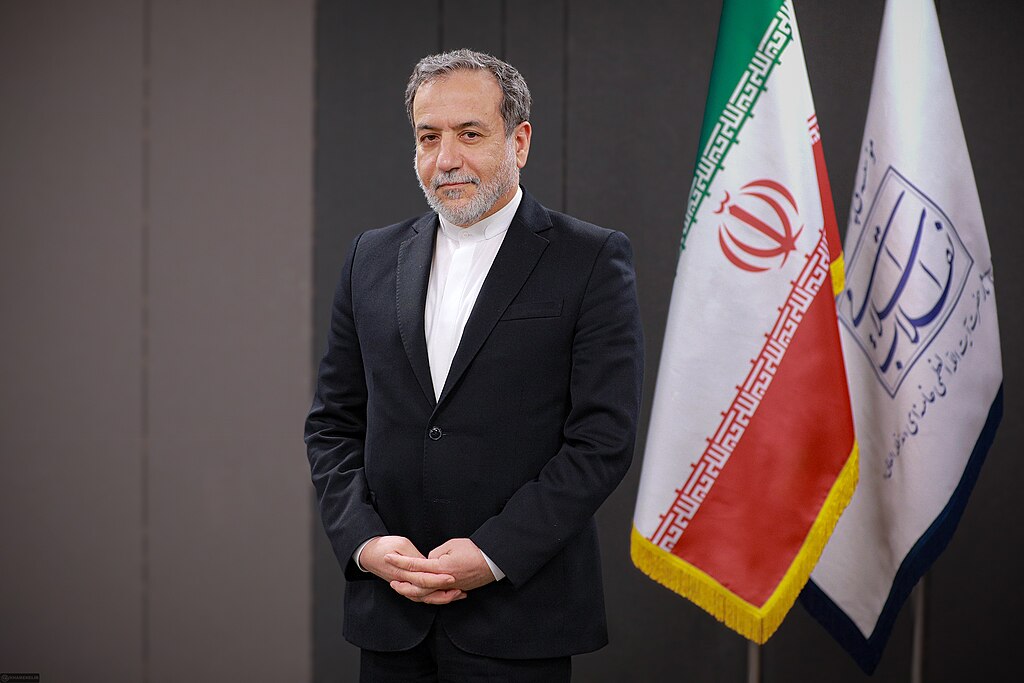
Iran has refused to ease its conditions for reopening the Strait of Hormuz, saying it is still waiting for a formal U.S. response through mediators despite President Donald Trump’s statement that he rejected Tehran’s proposal.
Iranian Foreign Minister Abbas Araghchi said Tehran was aware of Trump’s public comments but had yet to receive an official answer through Qatar and Pakistan, which are mediating between the two countries. Araghchi maintained that negotiations remain the only viable route to resolving the standoff over the Strait of Hormuz, a critical artery for global energy supplies.
U.S. and Iranian negotiators had discussed a potential agreement under which Iran would reopen the waterway while Washington lifted its blockade of Iranian ports, Bloomberg reported, citing a person familiar with the discussions. The proposed arrangement was similar to a memorandum of understanding reached in mid-June that temporarily halted fighting before hostilities resumed.
Trump said Saturday that Iran had submitted a proposal but that he rejected it. He argued that Tehran was seeking an immediate reopening of Hormuz as its position weakened.
Regional tensions also intensified over the weekend. Saudi-backed coalition forces in Yemen said air defenses intercepted two Houthi drones targeting Riyadh and a ballistic missile aimed at Khamis Mushait in southern Saudi Arabia. The incidents followed missile interceptions near Riyadh roughly a week earlier.
The Wall Street Journal separately reported that Trump expects strikes against Iran to resume after the U.S. midterm elections in early November and remains skeptical that Tehran will meet Washington’s demands. Trump declined to say whether U.S. bombing would restart after the elections.
Iranian President Masoud Pezeshkian told the United Nations General Assembly last week that Tehran would not allow unrestricted navigation through the Strait of Hormuz while U.S. sanctions and the blockade remain in effect. He also reiterated Iran’s claim to a right to develop nuclear technology for economic purposes.
The latest statements underscore the continuing U.S.-Iran deadlock, with Tehran maintaining its Hormuz conditions despite Trump’s public rejection of the proposal.







