


 US 10-Year Treasury Yield at 6% Emerges as New Market Risk Threshold
  Oil Prices Jump 3% as Houthi Attack Revives Supply Fears
  Japan Private-Sector Growth Slows as Domestic Demand Weakens
  RBI Uses $10 Billion Currency Swaps to Drain Excess Rupee Liquidity
  Gold Prices Fall as Treasury Yields Rise on Fed Rate Hike Bets
  Trump, Xi Focus on Trade and AI at White House Summit
  Australia Unemployment Hits Five-Year High Despite Strong Jobs Growth
  Wall Street Ends Flat as Oil, Treasury Yields and Fed Jitters Rattle Markets
  Canadian Dollar Faces Pressure as Fed-BoC Policy Gap Widens
  Mexico-US Trade Talks Delayed to October as Tariff Negotiations Continue
  Gold Holds Near $4,275 as Rising Treasury Yields Fuel Fed Rate Hike Bets
  Dollar Falls as Oil Eases, Yen Jumps on Intervention Signals
  European Stocks Fall as Bond Yields and Geopolitical Risks Weigh
  Soybean Futures Slip as Traders Await Trump-Xi Trade Signals
  Oil Prices Ease as Iran Tensions Clash With Diplomacy Hopes


 Add as a preferred source on Google
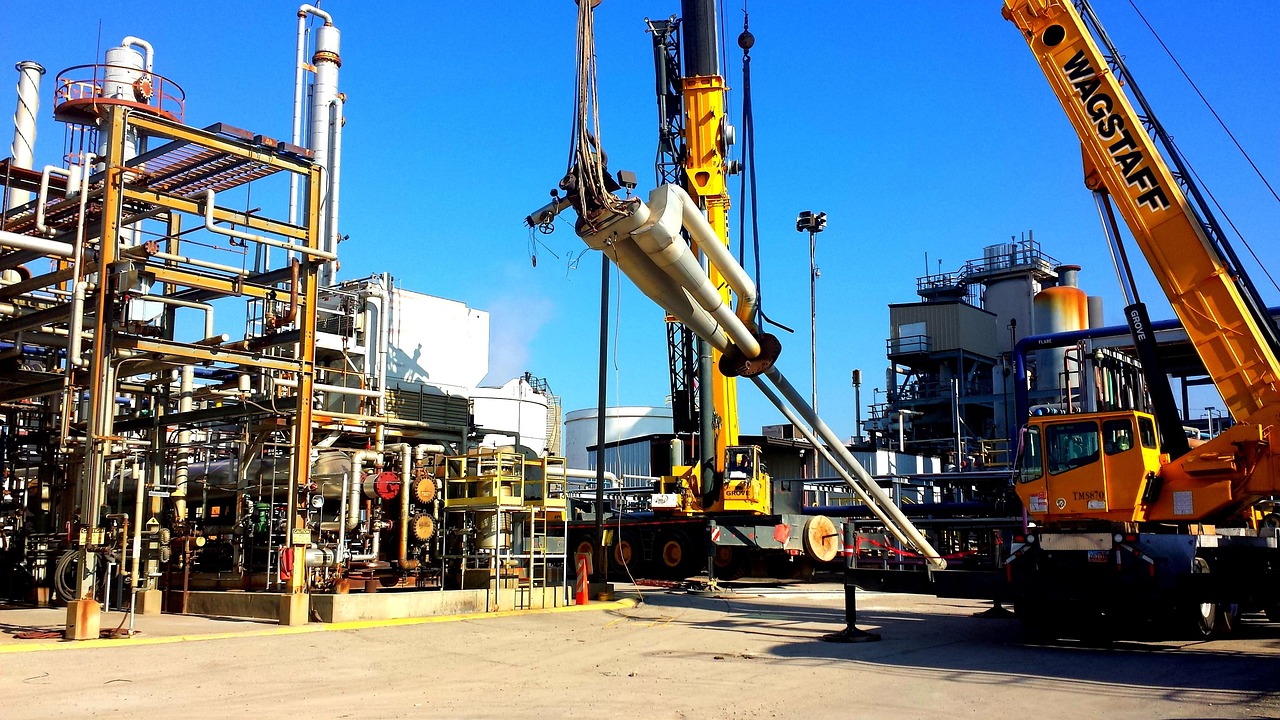
Oil prices declined in early Thursday trading after Israel and Hamas agreed to the first phase of a plan aimed at ending the long-standing conflict in Gaza. The announcement reduced the war risk premium on crude, prompting investors to sell and pushing prices lower.
Brent crude futures fell 51 cents, or 0.77%, to $65.74 a barrel by 0002 GMT, while U.S. West Texas Intermediate (WTI) crude slipped 55 cents, or 0.88%, to $62 a barrel. The decrease followed confirmation from U.S. President Donald Trump that Israel and Hamas had reached a long-sought ceasefire and hostage-release agreement, marking a significant step toward ending the two-year war in the Palestinian enclave.
Israeli Prime Minister Benjamin Netanyahu stated that his government would convene on Thursday to approve the ceasefire deal. The Gaza conflict has long supported oil prices, with traders assessing the potential impact of regional escalation on global energy supply. The latest peace developments reduced that geopolitical tension, leading to a short-term pullback in prices.
On Wednesday, crude prices had gained around 1%, reaching a one-week high as investors reacted to stalled negotiations over a Ukraine peace deal. The lack of progress was seen as a factor maintaining sanctions against Russia, supporting global supply constraints and, in turn, oil prices.
Meanwhile, data from the U.S. Energy Information Administration (EIA) revealed that total weekly U.S. petroleum products supplied—a proxy for oil demand—rose to 21.99 million barrels per day last week, the highest level since December 2022.
The combination of easing geopolitical tensions and robust U.S. demand presents a complex outlook for global oil markets. While the Gaza ceasefire has softened near-term price pressure, sustained consumption growth and lingering geopolitical risks may keep volatility elevated in the weeks ahead.







