


 Asian Currencies Mixed as Dollar Holds Near Two-Month High
  Soybean Futures Slip as Traders Await Trump-Xi Trade Signals
  China’s ‘Lipstick King’ Says AI Won’t Replace Livestream Hosts
  Oil Prices Ease as Iran Tensions Clash With Diplomacy Hopes
  Fed Unveils Stablecoin Rules Under GENIUS Act
  South Korea, US Discuss Warship Building Cooperation
  Wall Street Falls as Treasury Yields Surge, Oil Rebounds on Iran Tensions
  Asian Stocks Fall as Surging Bond Yields Rattle Markets
  Mexico-US Trade Talks Delayed to October as Tariff Negotiations Continue
  Wall Street Ends Flat as Oil, Treasury Yields and Fed Jitters Rattle Markets
  Fed Unveils Stablecoin Rules Under GENIUS Act
  US, China Extend Trade Truce to Jan. 10 Ahead of Trump-Xi Summit
  Australia Unemployment Hits Five-Year High Despite Strong Jobs Growth
  US 10-Year Treasury Yield at 6% Emerges as New Market Risk Threshold
  Dollar Holds Near Two-Month High as Yen Approaches 160
  Oil Prices Surge as U.S.-Iran Diplomacy Hopes Fade
  US Stock Futures Fall as Treasury Yields Surge Ahead of Trump-Xi Summit


 Add as a preferred source on Google
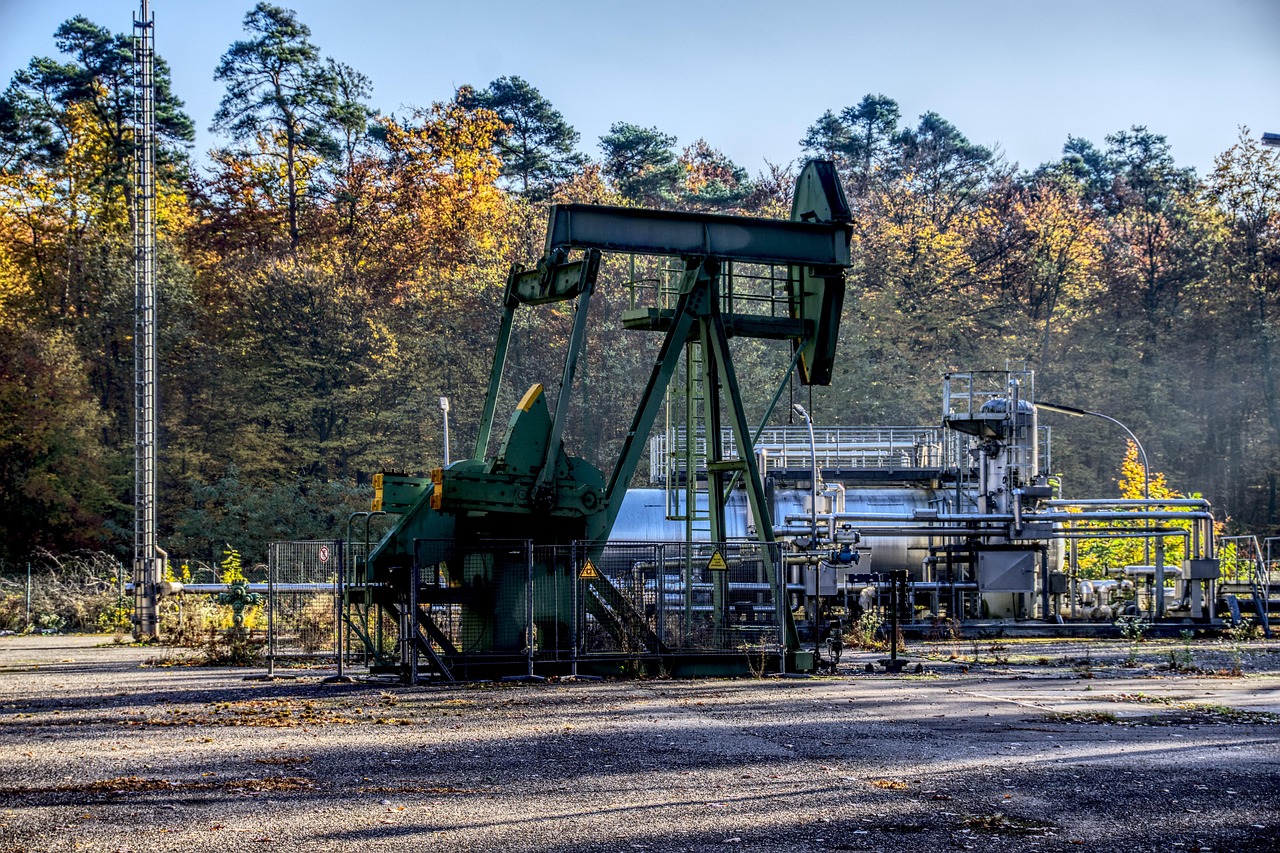
Oil prices tumbled sharply during early Asian trading on Monday as optimism surrounding a possible U.S.-Iran peace agreement eased concerns over global crude supply disruptions. Brent crude futures for July delivery plunged more than 5%, falling to $98.12 per barrel and marking their lowest level in nearly three weeks. Meanwhile, West Texas Intermediate (WTI) crude futures dropped 5.2% to $91.31 per barrel.
The sharp decline in oil prices came after U.S. President Donald Trump stated over the weekend that a memorandum of understanding tied to a peace agreement with Iran had been “largely negotiated.” The proposed deal is reportedly aimed at reopening the strategically important Strait of Hormuz, a key global shipping route for crude oil exports.
Market sentiment improved further after reports suggested that both U.S. and Iranian representatives, along with Pakistani mediators, had made progress in negotiations. However, Iranian state media pushed back against Trump’s comments, denying claims that a final agreement was close.
Trump later clarified that Washington was not rushing to finalize a deal with Tehran. He also confirmed that a naval blockade against Iran would remain in place until both sides reached a formal agreement. Major disagreements continue over Iran’s nuclear program, with Tehran refusing U.S. demands to surrender its enriched uranium stockpiles.
Despite the recent sell-off, analysts noted that oil markets remain supported by limited flows through the Strait of Hormuz. Shipping activity through the critical passage is still significantly below pre-conflict levels, continuing to tighten global crude supply and helping prevent even steeper declines in oil prices.
Investors are closely monitoring developments surrounding the Iran conflict, global crude supply conditions, and geopolitical risks, all of which are expected to remain major drivers of oil market volatility in the coming weeks.







