


 SoftBank Shares Fall as Oracle Flags Stargate Data Center Delay Risk
  Former OpenAI Data Center Chief Chris Malone Joins Nvidia
  AstraZeneca Shares Sink After Wainua Trial Misses Key Heart Disease Goal
  Alcohol is one of the most dangerous drugs, yet its presence is ubiquitous in social settings and celebrations
  EQT Plans €1.7 Billion Sale of Parques Reunidos Stake
  Airbus Finds A321neo Fuselage Quality Issue
  U.S. Issues Cuba Health Alert as Illnesses Rise
  Hims & Hers Shares Fall as GLP-1 Costs Widen Q2 Loss
  France Battles Mediterranean Wildfires as Heatwave Fuels Fire Risk
  Oracle Shares Fall as New Mexico AI Data Center Faces Power Delays
  OpenAI to Preview GPT-6 Cyber AI Model for Cybersecurity
  GLP-1 Weight-Loss Drug Use Surges Among U.S. Children
  Mercedes-Benz Eyes €800 Million Labor Cost Cuts in Germany
  Moderna Short Sellers Hit With $4.8 Billion Loss as Stock Soars
  FDA Weighs Safety Standards for Psychedelic Therapies
  Meta Unveils Muse Charm AI Device, Expands Smart Glasses Lineup


 Add as a preferred source on Google
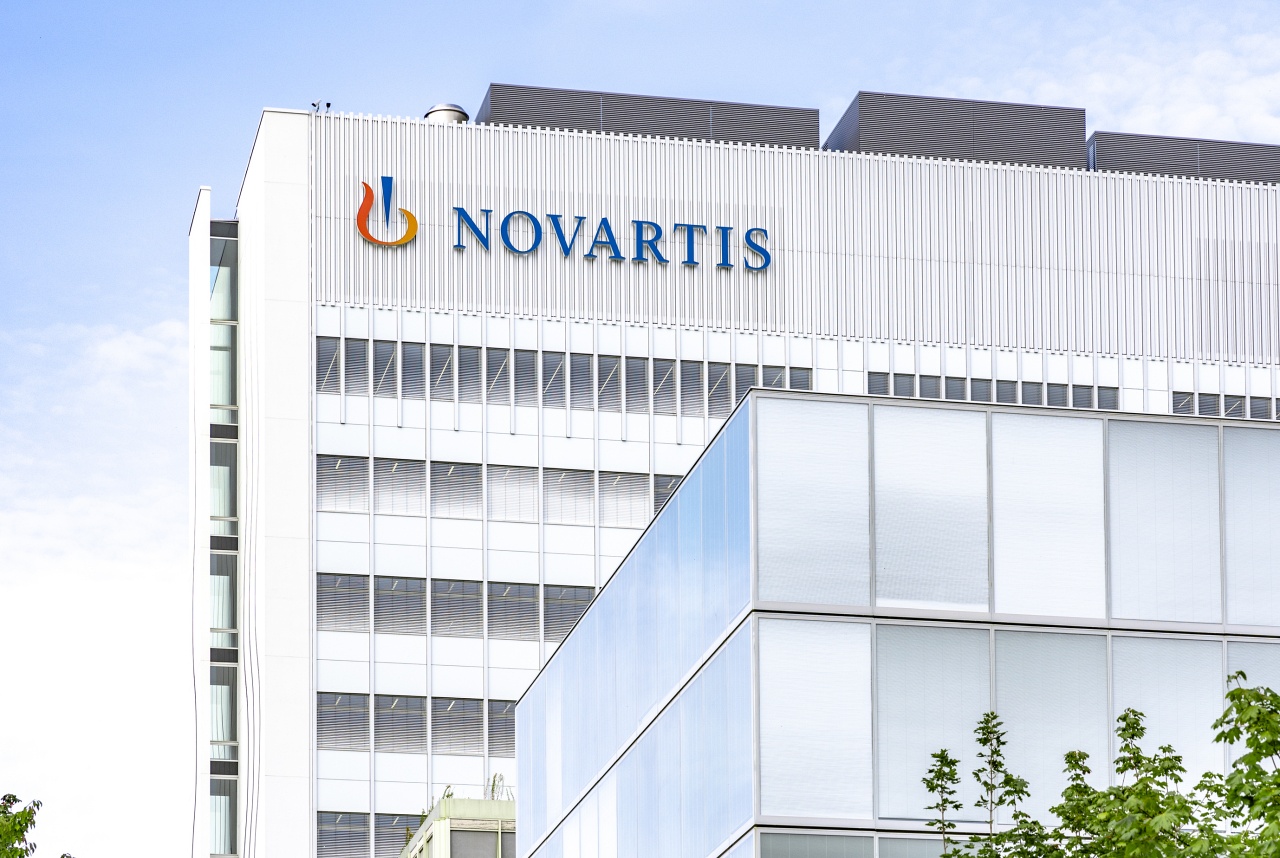
Swiss pharmaceutical giant Novartis (SIX:NOVN) has reaffirmed its commitment to producing life-saving treatments for malaria and leprosy, even amid uncertainty over global health funding. According to Dr. Lutz Hegemann, President of Global Health at Novartis, the company will continue manufacturing its 28 million annual malaria treatment courses regardless of demand or funding disruptions.
Most of Novartis' antimalarial drugs are sold at a not-for-profit price to global initiatives, including the U.S.-funded President’s Malaria Initiative (PMI). However, recent aid cuts under President Donald Trump have threatened such programs. Earlier this year, a contractor for PMI canceled an order due to a government stop-work directive, but resumed the request shortly after receiving an exemption. “We are not going to be the bottleneck,” said Hegemann, emphasizing the company's commitment to maintaining supply even during funding gaps.
The Global Fund to Fight AIDS, Tuberculosis and Malaria remains the largest purchaser of Novartis' malaria treatments. While it has not yet faced funding cuts, it is actively seeking donations in a difficult financial environment.
Speaking from London, Hegemann urged the pharmaceutical industry to take a more proactive role in global health, advocating for deeper collaborations with low- and middle-income countries. He stressed that companies should go beyond merely compensating for shrinking donor aid and instead foster long-term public-private partnerships.
Novartis is also ramping up its R&D spending on malaria and neglected tropical diseases. The company expects to invest $490 million by 2025—nearly double its original $250 million pledge. Ongoing projects include a dengue antiviral, new therapies for leishmaniasis and Chagas disease, and the first malaria drug designed for newborns.
This strong commitment highlights Novartis’ leadership in global health and its resolve to support vulnerable communities worldwide.







