


 Iran Vows ‘Crushing’ Response as US Talks Continue
  Trump Says ‘Freedom’ Is Coming to Cuba
  UK, Mauritius Seek Diego Garcia Base Deal
  Trump Says U.S.-Iran Peace Deal Near After UN Talks
  Burnham Eyes UK Leadership Role in AI Ahead of Trump Meeting
  Trump Board of Peace Unveils $2.45 Billion Gaza Recovery Plan
  Lula and Flavio Bolsonaro Tied in Brazil Runoff Poll
  Vietnam, US Trade Deal Could Be Signed Soon, To Lam Says
  China Tightens Fentanyl Rules Ahead of Trump-Xi Summit
  Carney Condemns Belleville Synagogue Shooting That Wounded Police Officer
  Paramount-Warner Bros $110 Billion Deal Draws Antitrust Backlash
  Trump Meets Venezuela’s Delcy Rodriguez at UN Assembly
  Trump to Press Xi on Release of US Nuclear Expert Held in China
  Trump Administration Prepares Sanctions Against Entire ICC
  Macron, Trump Discuss Ukraine-Russia Energy Strike Moratorium
  Zelenskiy Meets CIA Chief John Ratcliffe at Ireland’s Shannon Airport
  Kremlin Says No Grounds Yet for Ukraine Peace Talks


 Add as a preferred source on Google
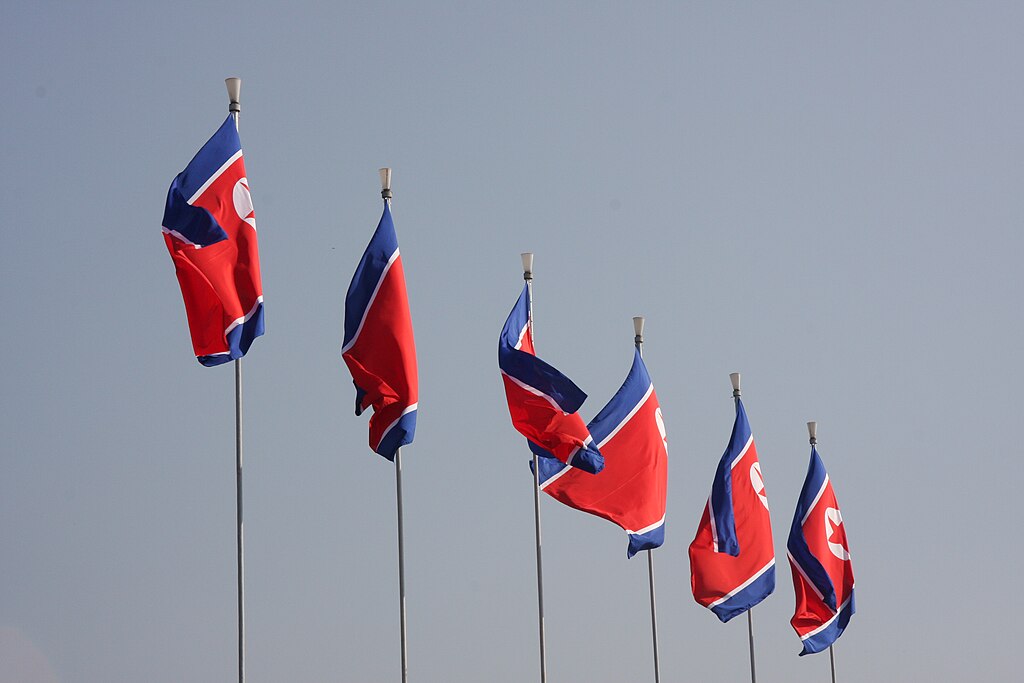
North Korea has strongly criticized the United States over its recent approval of a major arms sale to South Korea, arguing that the move will further heighten tensions on the Korean Peninsula and undermine regional stability.
According to a statement published Saturday by the Korean Central News Agency (KCNA), North Korea’s foreign ministry condemned Washington’s decision to authorize the sale of advanced air-to-air missiles and related military equipment to South Korea. The deal, valued at nearly $300 million, was recently approved by the U.S. State Department as part of ongoing defense cooperation between the two allies.
A senior foreign ministry official responsible for external policy described the weapons sale as another sign that military ties between the United States and South Korea are being steadily expanded despite growing international concerns about security risks in the region. The official argued that the continued strengthening of military cooperation between Washington and Seoul contributes to increased tensions around the Korean Peninsula.
The statement also criticized U.S. defense exports, claiming that American weapons sales fuel geopolitical conflicts and military confrontations. North Korea reiterated its position that it will continue enhancing its self-defense capabilities and strategic deterrence measures in response to what it views as escalating military pressure from the United States and its allies.
The latest remarks reflect Pyongyang’s longstanding opposition to joint military activities and defense agreements involving the United States and South Korea. North Korean officials have frequently accused the two countries of preparing for potential military action through arms transfers, joint exercises, and broader security cooperation.
The missile sale comes amid continued security concerns in Northeast Asia, where military developments and defense partnerships remain closely watched by regional stakeholders. Analysts note that arms deals and military modernization efforts on both sides are likely to remain a key factor influencing relations between North Korea, South Korea, and the United States in the coming months.







