


 South Korea, US Discuss Warship Building Cooperation
  Kremlin Says No Decision Yet on Putin-Trump December Summit
  Russian Envoy Dmitriev Heads to US for Ukraine Talks
  Abbas Reaffirms November 28 Palestinian Elections
  US Senate Rejects Iran War Powers Resolution in 50-49 Vote
  Russian Missile and Drone Attack on Kyiv Kills Two, Damages Maternity Hospital
  Netanyahu Defends Israel at UN as Delegates Stage Walkout
  Yemen Violence Displaces 130,000 as Civilian Toll Rises
  Netanyahu Takes Aim at Mamdani as Israel Election Nears
  US Invites Putin to Miami G20, Opening Door to Trump Summit
  Ghana Says Western Support Growing for Slave Trade Reparations
  Taiwan Thanks US for Support Ahead of Trump-Xi Summit
  Pezeshkian Says US Must Choose When Iran War Ends
  Trump Asks Supreme Court to Restore Third-Country Deportations
  Gaza Faces Evacuation Crisis as War-Damaged Buildings Risk Collapse
  Judge Orders Trump to Restore White House Access for CNN, MS NOW and Politico
  North Korea Warns South Korea Over US-Led Defense Role


 Add as a preferred source on Google
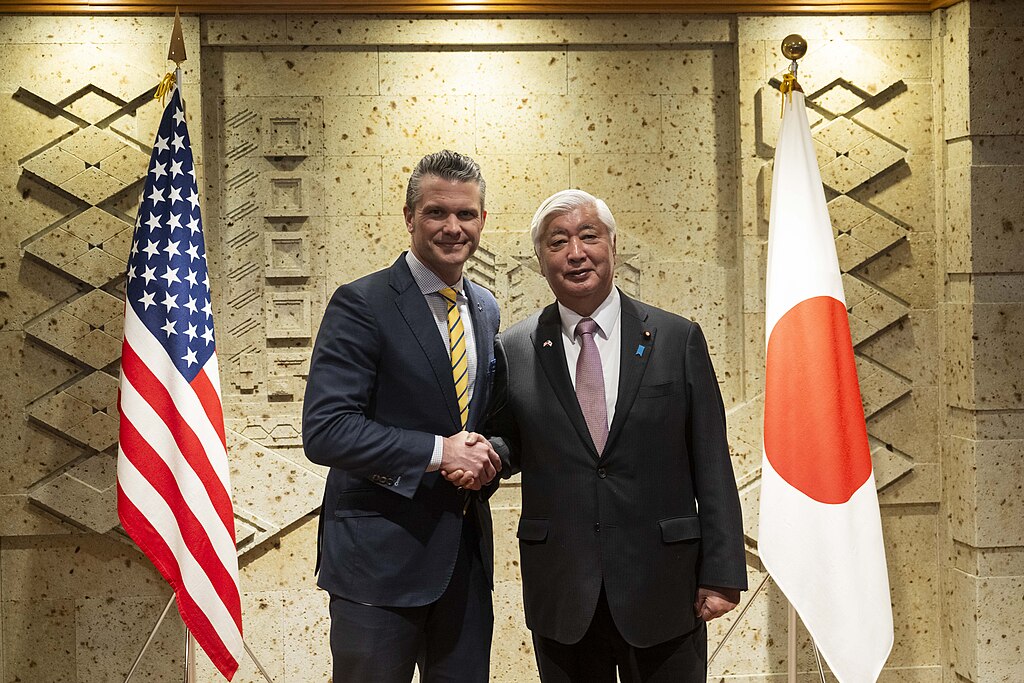
North Korea has strongly condemned a recent agreement between the United States and Japan to co-produce air-to-air missiles, calling it a serious threat to regional stability. According to North Korea’s state-run KCNA news agency, the deal signals Washington’s ongoing efforts to militarize Japan and escalate tensions in the Asia-Pacific.
The criticism follows U.S. Defense Secretary Pete Hegseth’s visit to Tokyo on Sunday, where he and Japanese officials agreed to accelerate the joint production of the AIM-120 beyond-visual-range air-to-air missile. The missile is widely used in military aircraft engaged in regular drills across the region—activities North Korea already views as provocative.
An unnamed senior official from North Korea’s Defence Ministry warned that the move adds “a new element of strategic instability” to the region. While the statement did not specifically name any countries, it clearly pointed to rising tensions involving China and North Korea. The official also argued that the U.S. has long encouraged Japan’s remilitarization, referring to broader U.S. military strategies aimed at countering regional rivals.
Hegseth highlighted Japan’s crucial role in deterring China, particularly around the Taiwan Strait, calling the U.S.-Japan alliance a “cornerstone” of regional security. This stance contrasts with previous criticisms of Japan by U.S. leaders for not contributing enough to the American military presence.
In response, North Korea vowed to strengthen its own military deterrence to address what it sees as growing instability. The statement underscores Pyongyang’s view that enhanced U.S.-Japan defense ties are a direct threat to its national security and a signal of shifting military dynamics in Northeast Asia.
The missile pact is the latest development in a rapidly evolving security landscape, where regional powers are aligning amid rising geopolitical tensions.







