


 Zelenskiy Warns Russia Preparing Major Attack on Ukraine
  Canada Unveils Bill to Fast-Track Major Resource Projects
  Trump Says U.S.-Iran Peace Deal Near After UN Talks
  US Invites Putin to Miami G20, Opening Door to Trump Summit
  Vietnam, US Trade Deal Could Be Signed Soon, To Lam Says
  US Officials Split Over Response to Israeli West Bank Settlements
  Macron Challenges Trump’s Gaza Peace Claims at UN
  Taiwan Vows to Advance US Arms Sales Ahead of Trump-Xi Meeting
  Russian Envoy Dmitriev Heads to US for Ukraine Talks
  South Korea, US Discuss Warship Building Cooperation
  Ghana Says Western Support Growing for Slave Trade Reparations
  Trump Board of Peace Unveils $2.45 Billion Gaza Recovery Plan
  Scott Bessent Eyed as Trump’s New AI Czar
  Iran Vows ‘Crushing’ Response as US Talks Continue
  US, China Extend Trade Truce to Jan. 10 Ahead of Trump-Xi Summit
  Sudan Rejects US Legitimacy Remarks, Defends Sovereignty
  China Tightens Fentanyl Rules Ahead of Trump-Xi Summit


 Add as a preferred source on Google
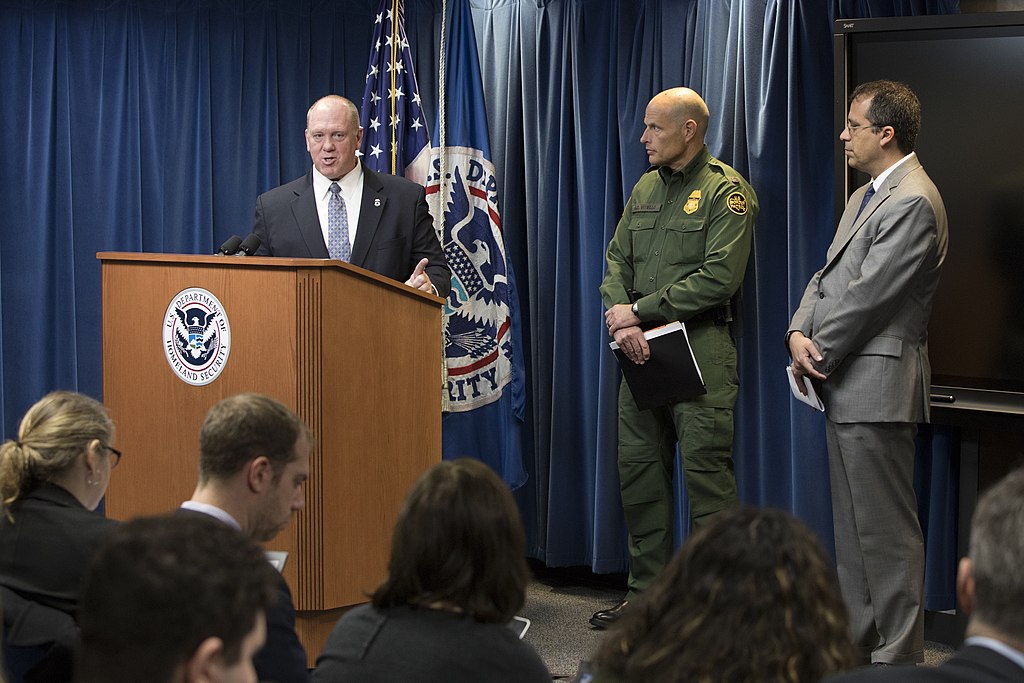
In a decisive shift in U.S. immigration policy, newly appointed Border Czar Tom Homan has declared that all individuals residing in the country illegally are subject to deportation, extending beyond those with criminal records or fugitive status.
"If you're in the country illegally, you're not off the table," Homan stated. "We'll be moving on to those who may not be a criminal, may not be a fugitive, but they entered this country illegally, which is a crime."
Homan, who previously served as the acting director of U.S. Immigration and Customs Enforcement (ICE) under the Trump administration, has been tasked with overseeing the nation's border security and immigration enforcement. His appointment signals a return to stringent immigration measures, reminiscent of policies implemented during his prior tenure.
The announcement has sparked a spectrum of reactions across the political landscape. Advocates for stricter immigration controls have lauded the move as a necessary step to uphold the rule of law and safeguard national security. Conversely, immigrant rights organizations and civil liberties groups have expressed deep concern, arguing that such broad enforcement could lead to widespread fear and potential violations of due process.
"This policy threatens to tear apart families and communities," said Maria Lopez, spokesperson for the Immigrant Defense Project. "It undermines the principles of fairness and justice that our nation stands for."
Homan has defended the policy, emphasizing that the enforcement of immigration laws is essential to maintaining national sovereignty and public safety. He has also indicated that the administration will prioritize deportations based on factors such as criminal history and recent unlawful entries but affirmed that no one residing in the country illegally is exempt from enforcement actions.
The policy's implementation is expected to involve increased coordination among federal, state, and local law enforcement agencies. However, several cities and states with sanctuary policies have vowed to resist cooperation with federal immigration authorities, setting the stage for potential legal and political conflicts.
On social media, the policy has ignited intense debate. Twitter user @PatriotGuardians expressed support, stating, "Finally, a leader who enforces our laws. #RuleOfLaw." In contrast, @JusticeForAll tweeted, "This is a dangerous overreach that will harm countless families. #StopTheDeportations."
As the administration moves forward with this policy, its impact on communities, the legal system, and the broader immigration debate remains to be seen. Observers will be closely monitoring the developments and the responses from various stakeholders in the coming months.







