


 TrumpRx.gov Highlights GLP-1 Drug Discounts but Offers Limited Savings for Most Americans
  China Warns US Arms Sales to Taiwan Could Disrupt Trump’s Planned Visit
  Trump Allegedly Sought Airport, Penn Station Renaming in Exchange for Hudson River Tunnel Funding
  Trump Signs Executive Order Threatening 25% Tariffs on Countries Trading With Iran
  Why Trump’s new pick for Fed chair hit gold and silver markets – for good reasons
  South Korea Assures U.S. on Trade Deal Commitments Amid Tariff Concerns
  Trump’s Inflation Claims Clash With Voters’ Cost-of-Living Reality
  Trump Lifts 25% Tariff on Indian Goods in Strategic U.S.–India Trade and Energy Deal
  Nighttime Shelling Causes Serious Damage in Russia’s Belgorod Region Near Ukraine Border
  TrumpRx Website Launches to Offer Discounted Prescription Drugs for Cash-Paying Americans
  RBI Holds Repo Rate at 5.25% as India’s Growth Outlook Strengthens After U.S. Trade Deal
  Bank of Japan Signals Readiness for Near-Term Rate Hike as Inflation Nears Target
  ECB’s Cipollone Backs Digital Euro as Europe Pushes for Payment System Independence


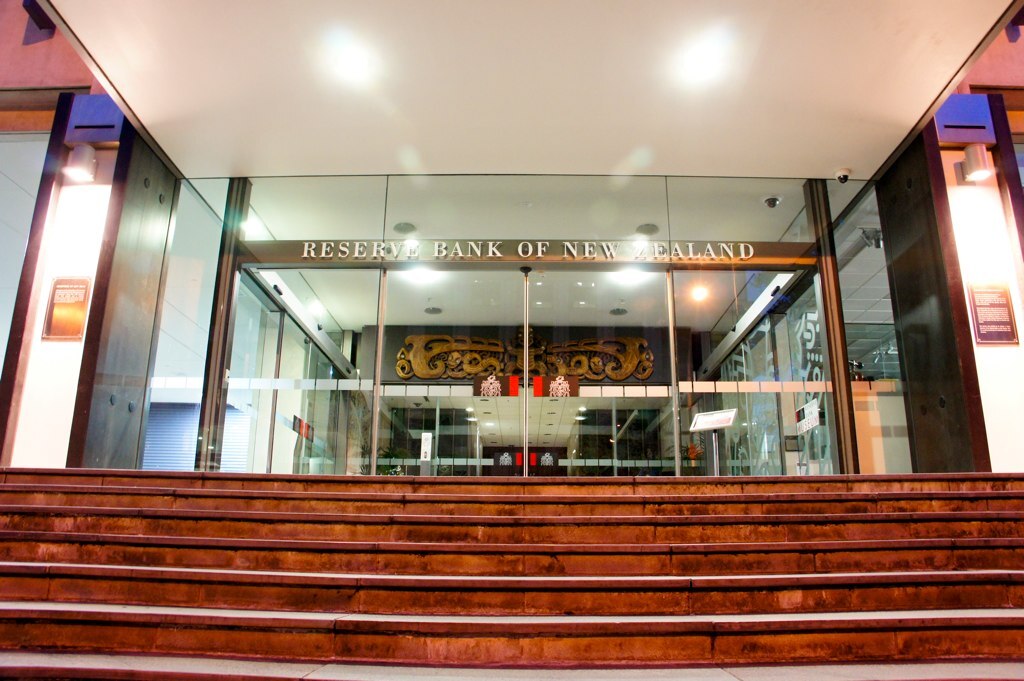
Adrian Orr, governor of the Reserve Bank of New Zealand (RBNZ), has resigned unexpectedly, cutting his second term short by three years. His departure comes as the country faces its worst economic downturn since 1991, driven by high interest rates. Orr stated he was leaving with inflation under control and the economy in a recovery phase after COVID-related disruptions.
The resignation follows criticism from Prime Minister Christopher Luxon’s National Party-led government, which blamed Orr for the post-pandemic inflation surge and the aggressive rate hikes that led to a recession. Under his leadership, the RBNZ raised interest rates from a record low of 0.25% to 5.50%, attempting to curb inflation but ultimately triggering economic contraction.
Finance Minister Nicola Willis acknowledged discussions between Orr and the RBNZ board but did not disclose reasons for his exit. Deputy Governor Christian Hawkesby will act as interim governor until March 31. The government will then appoint a temporary replacement for up to six months while seeking a permanent successor.
The news coincides with an RBNZ-hosted international conference celebrating 35 years of inflation targeting as a key monetary policy tool. Orr, reappointed in March 2023 before Luxon’s government took office, faced criticism over stimulus measures that fueled inflation.
Despite his sudden resignation, financial markets remained stable, with the New Zealand dollar seeing only a slight dip. Orr had recently signaled rate cuts, announcing a reduction to 3.5% in February and hinting at further cuts in April and May. Analysts continue to point to low productivity and policy missteps as key factors behind New Zealand’s economic struggles.













