


 Hanmi Pharm Soars 30% on $2.3 Billion Genentech Obesity Drug Deal
  Fed’s Hammack Says Bond Yield Surge Is Not Driven by Inflation Fears
  Alcohol is one of the most dangerous drugs, yet its presence is ubiquitous in social settings and celebrations
  NASA's Artemis II Mission: First Crewed Lunar Journey Since Apollo
  Trump Administration to Launch Autism Initiatives Targeting Acetaminophen Use and New Treatment Options
  Is space worth the cost? Accounting experts say its value can’t be found in spreadsheets
  European Stocks Fall as Bond Yields and Geopolitical Risks Weigh
  Oil Prices Ease as Iran Tensions Clash With Diplomacy Hopes
  SK Biopharmaceuticals Secures Global Rights to Biohaven Epilepsy Drug Opakalim
  Blue Origin New Glenn Rocket Explodes During Launch Pad Test, Delaying Space Ambitions
  Oil Prices Fall on U.S.-Iran Hormuz Deal Hopes
  SpaceX Prioritizes Moon Mission Before Mars as Starship Development Accelerates
  Trump, Xi Focus on Trade and AI at White House Summit
  Wall Street Ends Flat as Oil, Treasury Yields and Fed Jitters Rattle Markets
  Novo Nordisk Eyes Turnaround as Oral Wegovy Challenges Eli Lilly in Weight-Loss Drug Race
  Japan Private-Sector Growth Slows as Domestic Demand Weakens


 Add as a preferred source on Google
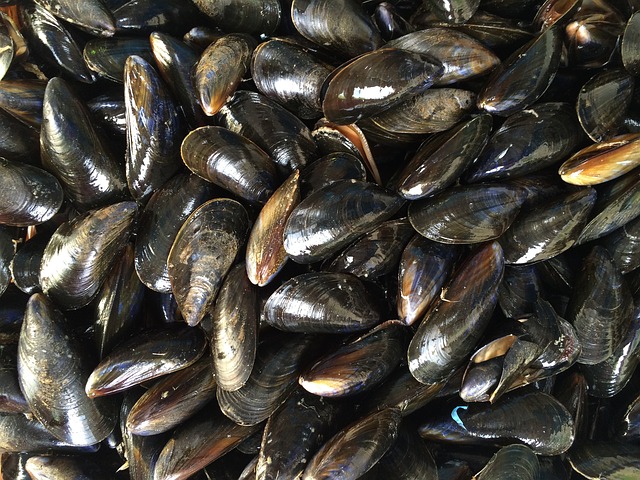
South Korean scientists have developed a method using mussel adhesive protein to connect severed nerve ends without the need to use suture threads.
A joint research team from Pohang University of Science and Technology, Ewha Woman's University, and the Catholic University of Korea Seoul St. Mary’s Hospital announced that it had developed a hydrogel adhesive for medical use based on mussel adhesive protein.
Nerves are one of the more difficult tissues to replicate. As a result, when they are cut, the only option to rejoin them is to carefully sew them together with suture threads.
This approach, however, necessitates a high level of medical expertise and takes a long time. Furthermore, there is a possibility that the secondary injury induced by suture thread penetration will impede nerve cell proliferation.
The researchers aimed to address these issues by transforming mussel adhesive protein into a jelly-like photo-crosslinking hydrogel adhesive.
The protein secreted by mussels to adhere to the moist surfaces of solid rocks is known as mussel adhesive protein.
When not exposed to light, this adhesive lives as a liquid. When exposed to visible light, it rapidly transforms into a hydrogel with sticky properties.
The use of this glue to connect severed nerve segments helps to avoid further injury and minimize immunological inflammation.







