


 Netanyahu Takes Aim at Mamdani as Israel Election Nears
  Trump Asks Supreme Court to Restore Third-Country Deportations
  Yemen Violence Displaces 130,000 as Civilian Toll Rises
  LVMH-Hermès Dispute Deepens Over Secret 2002 Share Deal
  Mexico-US Trade Talks Delayed to October as Tariff Negotiations Continue
  Paramount Skydance Faces $30 Million Film Penalty in Warner Bros. Deal
  Kremlin Says No Decision Yet on Putin-Trump December Summit
  North Korea Warns South Korea Over US-Led Defense Role
  Netanyahu Defends Israel at UN as Delegates Stage Walkout
  Judge Orders Trump to Restore White House Access for CNN, MS NOW and Politico
  Trump Administration Prepares Sanctions Against Entire ICC
  Judge Blocks Trump Rule Limiting Foreign Student Visas
  Appeals Court Rejects Trump Third-Country Deportation Policy
  Xi Calls for Deeper U.S.-China AI Cooperation in Trump Talks
  Mahmoud Khalil Sues Columbia Over Alleged Pro-Palestinian Harassment
  NATO Boosts Intelligence Sharing Amid Russia Hybrid Threats
  US Senate Rejects Iran War Powers Resolution in 50-49 Vote


 Add as a preferred source on Google
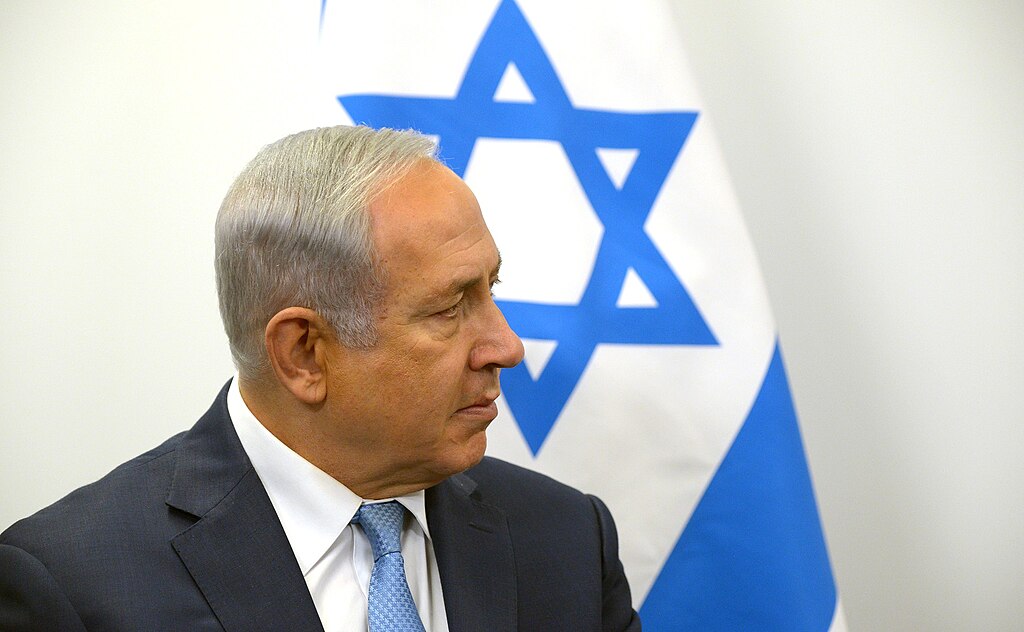
Israeli Prime Minister Benjamin Netanyahu has formally requested a presidential pardon in his long-running corruption case, arguing that the trial is undermining his ability to lead the country effectively. Netanyahu, Israel’s longest-serving prime minister, denies charges of bribery, fraud, and breach of trust. His legal team maintains he will ultimately be fully acquitted but insists the ongoing proceedings have become a national burden.
In a video released by his Likud party, Netanyahu urged Israelis to support the move, saying the legal process has placed unreasonable demands on him, including testifying multiple times a week while managing state affairs. His lawyers argued that ending the trial would help ease political divisions and promote national unity.
The request, described as “extraordinary” by President Isaac Herzog’s office, will now be reviewed by the Justice Ministry’s pardons department. Traditionally, Israeli presidents consider pardons only after a conviction, but Netanyahu’s legal team claims the president has authority to intervene earlier when public interest is at stake. Herzog will evaluate recommendations provided by his legal advisers before making a decision.
The move has reignited fierce debate across Israel’s political landscape. Opposition leader Yair Lapid criticized the request, arguing that no pardon should be granted without Netanyahu admitting guilt, expressing remorse, and stepping away from political life. Other opposition figures, such as Yair Golan, urged the president to reject the appeal and called for Netanyahu’s resignation.
Meanwhile, coalition partners including National Security Minister Itamar Ben-Gvir and Finance Minister Bezalel Smotrich voiced firm support for the prime minister.
Netanyahu was indicted in 2019 over allegations that he provided benefits to influential business figures in exchange for lavish gifts and favorable media coverage. The cases remain some of the most divisive in Israel’s political history, further intensified by the aftermath of Hamas’s October 7, 2023 attack and the ensuing Gaza war, which has drawn global criticism for its humanitarian toll.
As the next Israeli election approaches in 2026, polls suggest Netanyahu’s right-wing coalition may face major challenges—making the outcome of this pardon request even more consequential for Israel’s political future.







