


 North Korea Warns South Korea Over US-Led Defense Role
  Trump Asks Supreme Court to Restore Third-Country Deportations
  US Senate Rejects Iran War Powers Resolution in 50-49 Vote
  Saudi Arabia, Turkey and Pakistan Plan Urgent Defence Talks Over Houthi Attacks
  Judge Orders Trump to Restore White House Access for CNN, MS NOW and Politico
  Taiwan Thanks US for Support Ahead of Trump-Xi Summit
  Netanyahu Takes Aim at Mamdani as Israel Election Nears
  Netanyahu’s Brief US Trip Highlights Strains With Trump
  NATO Boosts Intelligence Sharing Amid Russia Hybrid Threats
  Ghana Says Western Support Growing for Slave Trade Reparations
  Abbas Reaffirms November 28 Palestinian Elections
  Ukrainian Drone Attacks Hit Russian Regions, Injuring at Least 12
  EU Defence Build-Up Too Slow for 2030 Russia Readiness Goal
  North Korea Rejects Nuclear Test Warning, Calls Nuclear Status Irreversible
  Mexico-US Trade Talks Delayed to October as Tariff Negotiations Continue
  Netanyahu Defends Israel at UN as Delegates Stage Walkout
  Trump, Xi Focus on Trade and AI at White House Summit


 Add as a preferred source on Google
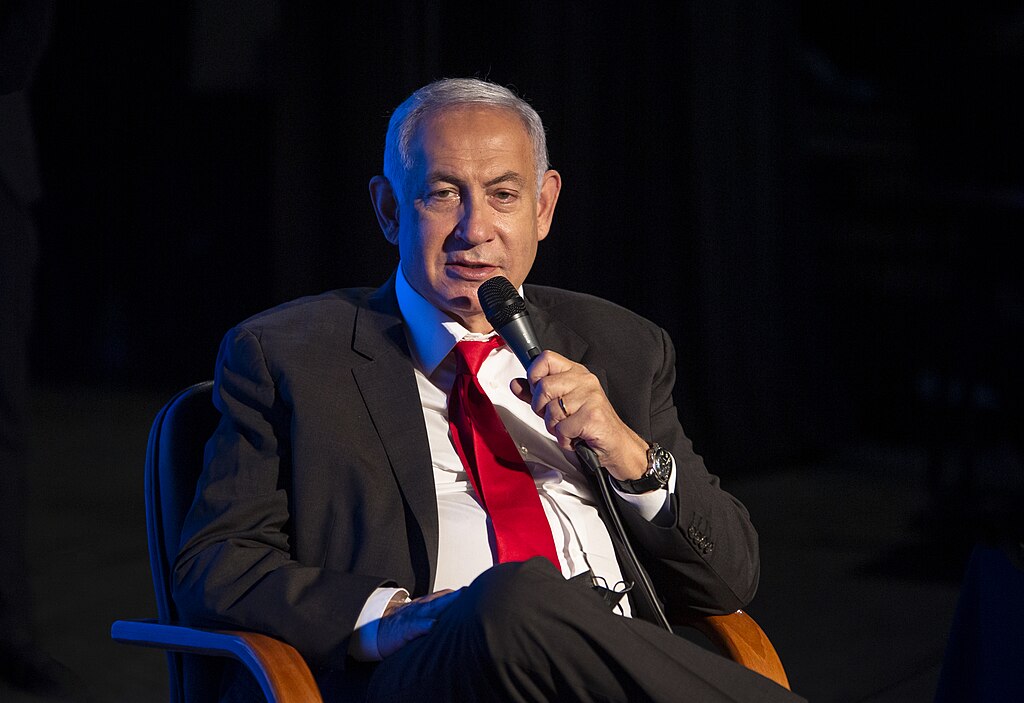
Israeli Prime Minister Benjamin Netanyahu is under growing pressure as his right-wing coalition risks collapse over a contentious military draft exemption for ultra-Orthodox men. United Torah Judaism, a key ultra-Orthodox party in Netanyahu’s government, has threatened to quit unless legislation formalizing the exemption is passed before a parliamentary vote scheduled for next week.
Opposition leader Yair Lapid, head of the centrist Yesh Atid party, has introduced a motion to dissolve the Knesset. If it gains support from 61 of 120 members, it could trigger early elections. Current opinion polls suggest Netanyahu’s coalition would lose power, with voter dissatisfaction rising over the ongoing war in Gaza following Hamas’ October 2023 attacks that left around 1,200 Israelis dead.
Netanyahu’s alliance holds an eight-seat majority, but United Torah Judaism’s seven seats are crucial. The ultra-Orthodox exemption debate is deeply divisive: granting it risks losing support from secular allies, while denying it could fracture the religious bloc. In March, a similar standoff ended without action, but pressure has intensified from both the public and lawmakers across the spectrum who see the exemption as increasingly unacceptable.
Some coalition members, including Ohad Tal of the Religious Zionism party, have condemned the threats and urged compromise. Analysts believe Netanyahu is gambling that the ultra-Orthodox are bluffing, wary of triggering elections that polls indicate they may lose.
While the war in Gaza continues, Netanyahu faces mounting protests demanding a resolution to secure hostages’ release. Despite his term running until 2026, few Israeli governments serve full terms. With coalition fractures widening, Netanyahu’s political future is again in question as tensions peak over military service, war strategy, and public trust.







