


 Ukrainian Drone Attacks Hit Russian Regions, Injuring at Least 12
  China Reviews Broadcom Switch Use in State Data Centres
  DOJ Will Investigate AI-Related Crimes, Attorney General Blanche Says
  What ‘Taiwan Independence’ Means as Xi Presses Trump on US Policy
  China Tightens Fentanyl Rules Ahead of Trump-Xi Summit
  Netanyahu Takes Aim at Mamdani as Israel Election Nears
  US Immigration Arrests Surge as Deportations Lag Behind
  Trump Administration Plans Faster FDA Reviews for Smoke-Free Nicotine Products
  Australia Tightens Student Visa Rules, Targets Migration Cut by 2028
  Netanyahu’s Brief US Trip Highlights Strains With Trump
  Trump, Xi Focus on Trade and AI at White House Summit
  Saudi Arabia Shuts East-West Oil Pipeline After Drone Attack
  EU Defence Build-Up Too Slow for 2030 Russia Readiness Goal
  Trump, Xi Visit US National Archives After White House Summit
  Pezeshkian Says US Must Choose When Iran War Ends
  Judge Orders Trump to Restore White House Access for CNN, MS NOW and Politico
  Synthetic data could ease people’s concerns about privacy breaches. But who gets to create it?


 Add as a preferred source on Google
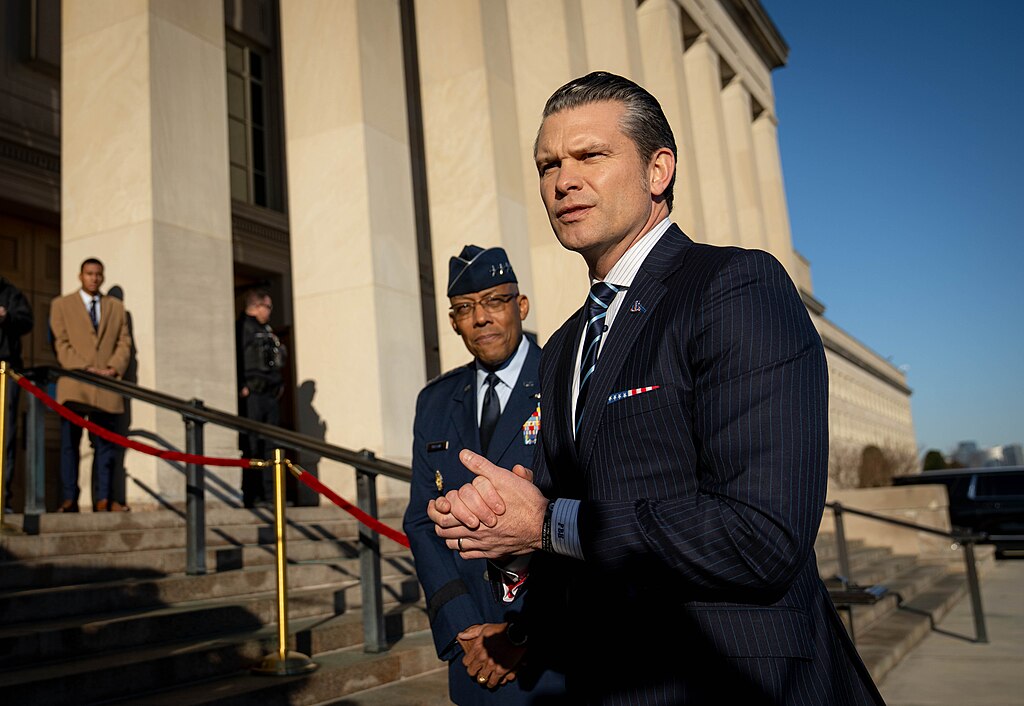
California National Guard troops were deployed to Los Angeles on Sunday amid escalating protests over President Donald Trump’s immigration raids. The move drew sharp criticism from California Governor Gavin Newsom, who called the deployment unlawful and an attack on state sovereignty.
The protests, now in their third day, began after U.S. Immigration and Customs Enforcement (ICE) arrested at least 44 individuals for immigration violations. Demonstrations intensified in downtown Los Angeles and Paramount, with some protesters blocking the 101 Freeway and clashing with police. Officers reported objects thrown at them, resulting in over 30 arrests and minor injuries to deputies.
Governor Newsom accused Trump of fabricating a crisis and acting like a “dictator,” urging the federal government to withdraw the 2,000 National Guard troops. Mayor Karen Bass and Congresswoman Nanette Barragán echoed concerns, blaming the Trump administration for inciting unrest. Meanwhile, Trump labeled protesters “insurrectionist mobs” and threatened force, saying, “they spit, we hit.”
Despite heated rhetoric, Trump has not invoked the Insurrection Act, which would allow broader military use. Instead, his administration cited Title 10 of the U.S. Code to justify the deployment. However, the law typically requires state governor approval, raising legal concerns.
Defense Secretary Pete Hegseth warned that active-duty military could be mobilized if violence escalates, while Homeland Security Secretary Kristi Noem claimed the Guard’s role is to safeguard federal buildings and peaceful protestors.
Mexico’s President Claudia Sheinbaum condemned the raids and military response, urging the U.S. to seek immigration reform over force. Critics argue the crackdown has affected even legal residents and sparked legal battles.
The standoff highlights deepening tensions between federal immigration enforcement and California’s Democratic leadership, with nationwide implications for immigration policy and civil liberties.







