


 Netanyahu Takes Aim at Mamdani as Israel Election Nears
  What ‘Taiwan Independence’ Means as Xi Presses Trump on US Policy
  Trump Asks Supreme Court to Restore Third-Country Deportations
  Netanyahu Defends Israel at UN as Delegates Stage Walkout
  Abbas Reaffirms November 28 Palestinian Elections
  North Korea Rejects Nuclear Test Warning, Calls Nuclear Status Irreversible
  Najib Razak Seeks Stay of 15-Year 1MDB Prison Sentence
  Russian Missile and Drone Attack on Kyiv Kills Two, Damages Maternity Hospital
  US Senate Rejects Iran War Powers Resolution in 50-49 Vote
  Ghana Says Western Support Growing for Slave Trade Reparations
  Taiwan Thanks US for Support Ahead of Trump-Xi Summit
  Trump, Xi Visit US National Archives After White House Summit
  Judge Orders Trump to Restore White House Access for CNN, MS NOW and Politico
  Mexico-US Trade Talks Delayed to October as Tariff Negotiations Continue
  Netanyahu’s Brief US Trip Highlights Strains With Trump
  EU Defence Build-Up Too Slow for 2030 Russia Readiness Goal
  US Backs Musk in Fight Against EU’s €120 Million X Fine


 Add as a preferred source on Google
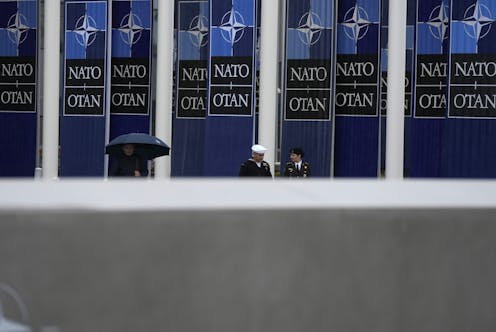
NATO leaders gathered in The Hague on Wednesday for a high-stakes summit aimed at securing U.S. President Donald Trump’s continued support for the alliance. A central outcome is the endorsement of a new defense spending target of 5% of GDP—more than double the previous 2% goal—responding to Trump’s long-standing demand and Europe’s growing concerns about Russian aggression since the 2022 Ukraine invasion.
The proposed target includes 3.5% of GDP for core defense, such as military personnel and weapons, and 1.5% for broader security measures like cyber defense, infrastructure, and energy protection. Although all NATO members agreed in principle, Spain claimed it could meet alliance obligations with significantly less spending—an assertion Dutch Prime Minister and NATO Secretary General Mark Rutte disputed, though he allowed diplomatic flexibility to preserve unity.
Trump, who has previously questioned the U.S. commitment to NATO's Article 5 mutual defense clause, hinted again at ambiguity. Speaking aboard Air Force One, he said he was committed to "life and safety" but stopped short of explicitly backing the clause. Rutte privately praised Trump’s recent Iran strike in a message Trump shared publicly, suggesting European allies will “pay in a BIG way” as part of the deal.
To avoid tensions, the summit agenda is narrowly focused on defense spending. While it will reaffirm support for Ukraine and name Russia as a threat, these issues are downplayed due to Trump’s softer stance on Moscow. Ukrainian President Volodymyr Zelenskiy was invited only to a pre-summit dinner and is seeking U.S. weapons and stronger sanctions on Russia. Meanwhile, the Kremlin accused NATO of using anti-Russian narratives to justify military expansion.
The summit’s tone highlights NATO’s effort to balance unity with Trump’s demands.







