


 U.S. Eases Iran Team Travel Restrictions Ahead of Seattle World Cup Match
  Iran Strait of Hormuz Tensions Rise After Ship Attack Delays IMO Escort Mission
  NATO Chief Tries to Ease Trump Alliance Dispute
  Israel Heritage Bill Sparks Annexation Concerns in West Bank
  US Approves $250 Million Fighter Jet Training Sale to Australia
  Young Brazilian Voters Shift Right Ahead of 2026 Election
  Marco Rubio Reassures Gulf Allies Over U.S.-Iran Peace Deal
  US Seeks Gulf Support for Iran Peace Deal Amid Regional Tensions
  White House Seeks $87.6 Billion Emergency Funding for Iran War, Farmers, and Ebola Response
  Trump Requests $11 Billion More in Farm Aid as Rising Costs Pressure U.S. Farmers
  Marco Rubio Seeks Gulf Support for U.S.-Iran Peace Deal Amid Regional Concerns
  US Senate Approves War Powers Resolution Urging Trump to End Iran Military Action
  Crimea Power Outage After Ukrainian Drone Attack, Russian Authorities Say
  US Reaffirms Taiwan Arms Sales Policy Despite Trump’s Comments on China
  US Mobilizes Aid After Powerful Earthquakes Devastate Venezuela
  Trump Orders DOJ Investigation Into Exxon, Chevron Over High Gas Prices
  Johns Hopkins University Lays Off 110 Employees as Federal Research Funding Declines


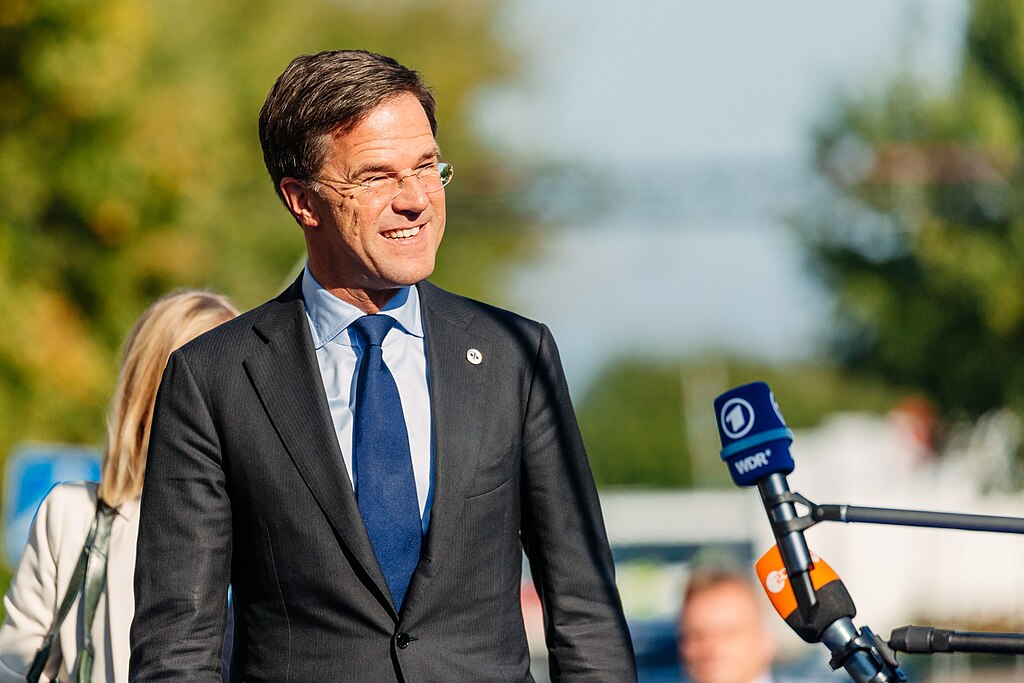
NATO Secretary-General Mark Rutte said the question of Greenland’s sovereignty did not arise during his recent discussions with U.S. President Donald Trump, signaling a shift in tone after Trump stepped back from earlier threats involving tariffs and military force. Rutte made the remarks during an interview on Fox News’ “Special Report with Bret Baier,” following a high-profile meeting with the U.S. president.
Earlier the same day, Trump appeared to ease tensions surrounding Greenland, an autonomous territory within the Kingdom of Denmark, by ruling out the use of military force and backing away from tariff threats that had been floated as leverage. He suggested instead that a potential agreement could be reached with Western Arctic allies over the strategically important island, which is home to around 57,000 people and hosts a key U.S. airbase.
Trump indicated that any future framework could align with his broader security goals, including the development of a “Golden Dome” missile-defense system and securing access to critical minerals. He also emphasized the importance of countering growing Russian and Chinese activity in the Arctic, a region increasingly seen as vital due to climate change, emerging shipping routes, and natural resources.
When asked directly whether Greenland would remain under Danish sovereignty as part of any new deal mentioned by Trump, Rutte said the issue “did not come up anymore” in his conversations with the president. He added that Trump’s primary focus was on protecting the wider Arctic region amid heightened geopolitical competition. According to Rutte, the discussion centered on ensuring security and stability in an area where strategic interests are rapidly evolving.
Greenland and Denmark have repeatedly stated that the island is not for sale, reinforcing their position amid past comments by Trump suggesting the United States should own the territory. Both Denmark and the United States are NATO members, and the issue has drawn significant international attention due to its implications for Arctic security and alliance unity.
Trump’s foreign policy approach, particularly regarding territorial influence, has been described by some experts as imperialist, though his latest comments suggest a more diplomatic path forward on Greenland, focused on cooperation rather than coercion.







