


 Blue Origin New Glenn Explosion Could Delay Launch Operations Until 2028
  Trump and Merck KGaA Partner to Slash IVF Drug Costs and Expand Fertility Coverage
  NASA Resumes Cygnus XL Cargo Docking with Space Station After Software Fix
  FDA Pilot Program Eases Rules for Nicotine Pouch Makers
  Trump Administration to Launch Autism Initiatives Targeting Acetaminophen Use and New Treatment Options
  Neuralink Expands Brain Implant Trials with 12 Global Patients
  China vs. NASA: The New Moon Race and What's at Stake by 2030
  SpaceX Pivots Toward Moon City as Musk Reframes Long-Term Space Vision
  Cogent Biosciences Soars 120% on Breakthrough Phase 3 Results for Bezuclastinib in GIST Treatment
  SpaceX’s Starship Completes 11th Test Flight, Paving Way for Moon and Mars Missions


 Add as a preferred source on Google
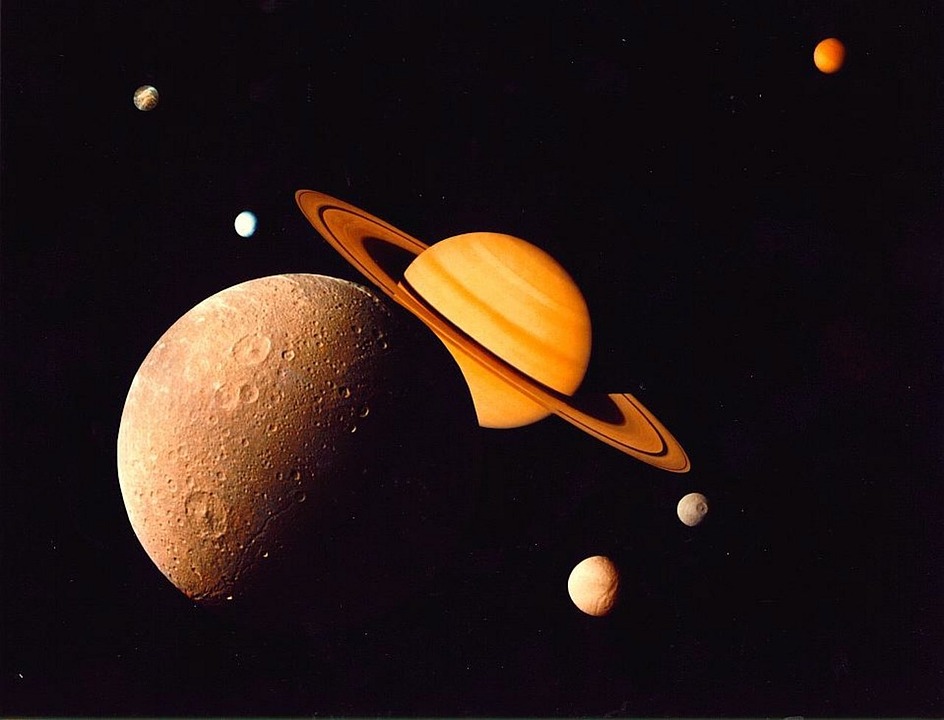
Scientists have observed some activity occurring in one of Saturn’s moons, Titan. A new study involving this moon suggests that the volcano-like structures on Titan may be the cause of the ongoing activity.
Express reports that a study conducted by researchers from the Planetary Science Institute found that volcanic collapse craters found on Titan’s northern polar region, were likely the cause of some of the activities. The southern polar region of Titan is also experiencing similar activities. The activities that have been detected were elevated ramparts and islands as well as nested collapses.
According to Planetary Science Institute senior scientist Dr. Charles Wood, who is also the lead author of the study, “The close association of the proposed by volcanic craters with polar lakes is consistent with a volcanic origin through explosive eruptions followed by collapse, as either maars or calderas.”
Dr. Wood continued to explain that the “freshness” of the craters seen on the polar regions of Titan indicate that volcanic activity has been ongoing on Titan in recent years or at the very most, today.
Based on the data of NASA’s Cassini spacecraft during previous Saturn missions, Titan appeared to have land formations that are very similar to the ones found on Earth. Titan has sand dunes, lakes, and river valleys which were all a result of the atmosphere on its surface combined with solar heating. The study also noted the presence of elements on Titan such as methane and nitrogen along with other volatile elements The scientists also believe that these landforms or craters could still be formed today.
Meanwhile, it was previously reported that scientists were able to detect unusual structures found near the Earth’s core. The researchers analyzed the seismic wave recordings from 1990 to 2018 and found structures underneath the Marquesas islands as well as Hawaii, with the structures found under Hawaii being a lot larger than experts originally believed.
The researchers found echoes coming from around 40 percent of the overall seismic wave paths. University of Maryland associate geology professor and the study’s co-author, Vedran Lekic, said that the echoes are a lot more widespread rather than rare.







