


 Gold Prices Fall as Treasury Yields Rise on Fed Rate Hike Bets
  Fed Unveils Stablecoin Rules Under GENIUS Act
  Dollar Holds Near Two-Month High as Yen Approaches 160
  UK PM Burnham to Unveil Economic Vision at Labour Conference
  US Comfortable With Canada Trade Standoff as Import Bans Loom
  Oil Prices Jump 3% as Houthi Attack Revives Supply Fears
  U.S. Dollar Hits Two-Month High as Oil, Treasury Yields Surge
  Asian Currencies Mixed as Dollar Holds Near Two-Month High
  U.S. Treasury Yields Surge as 30-Year Hits 22-Year High
  China Agrees to Buy 20 Million Tons of U.S. Coal
  European Stocks Fall as Bond Yields and Geopolitical Risks Weigh
  Dollar Falls as Oil Eases, Yen Jumps on Intervention Signals
  Gold Holds Near $4,275 as Rising Treasury Yields Fuel Fed Rate Hike Bets
  Germany’s 2026 Growth Outlook Strengthens on Fiscal Spending
  Japanese Bank Stocks Surge as Bond Yields Fuel Rate Hike Bets
  Asian Stocks Fall as Bond Yields Surge Ahead of Trump-Xi Summit


 Add as a preferred source on Google
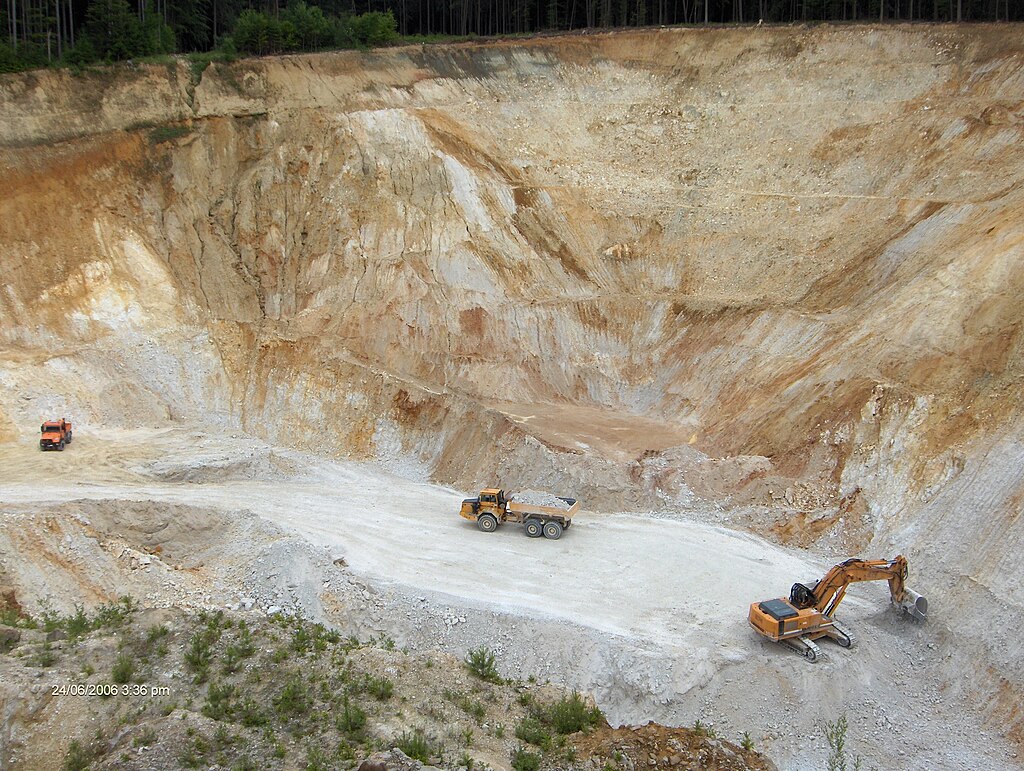
In October, the Kachin Independence Army (KIA), an ethnic rebel group in northern Myanmar, seized control of the country’s rare-earth mining belt, disrupting global supply chains and challenging the military junta and China’s influence. Kachin mines produce nearly half of the world’s heavy rare earths—key components in electric vehicles and wind turbines. Since the takeover, Chinese imports from Myanmar plummeted 89% year-over-year in February, according to customs data.
The KIA, fighting for autonomy for the Kachin minority, aims to use rare earths as political leverage, particularly against China, which backs the junta and has heavily invested in Kachin mining. The rebels have imposed a 20% tax on mostly Chinese-operated mines, rendering operations unprofitable and halting exports. Terbium oxide prices surged 21.9% to 6,550 yuan/kg, while dysprosium oxide dipped slightly.
China’s hold on Myanmar’s rare earths is slipping, and India has shown growing interest. India’s state-owned IREL sent officials to Kachin in late 2024, exploring rare earth investment opportunities. However, infrastructure challenges and India’s limited refining capabilities remain barriers.
Beijing risks losing access to a $1.4 billion rare earth market unless it acknowledges the KIA’s control. The rebels currently allow limited exports of existing stockpiles but need Chinese expertise to resume full-scale mining. Still, if China remains uncooperative, KIA may turn to India as an alternative, despite logistical difficulties.
The KIA’s move has reshaped rare earth dynamics, adding volatility to global markets and forcing major players to rethink sourcing strategies. As Myanmar’s civil war intensifies, the fight over rare earths is becoming a strategic geopolitical and economic battleground.







