


 Iran Begins Oil Sale Talks With Japan Under U.S. Sanctions Waiver Amid Shipping Risks
  US Stock Futures Rise as Investors Eye Fed Minutes, AI Stocks, and Q2 Earnings
  Mary Daly Says AI Uncertainty Clouds Fed Rate Outlook Despite Restrictive Policy
  Asian Currencies Rise as Dollar Weakens; Yen Holds Steady Amid Japan Intervention Watch
  Dollar Rebounds as Euro, Pound Slip Ahead of Fed Minutes, Yen Near Intervention Zone
  China Services PMI Beats Forecasts as Strong Demand Supports June Growth
  Asian Stocks Rebound as Tech Shares Rally on Fed Rate Cut Hopes and Easing Iran Tensions
  Moody’s Says Peru’s President-Elect Keiko Fujimori Could Boost Investor Confidence
  Oil Prices Slip as OPEC+ Boosts August Output, Oversupply Concerns Weigh on Crude Market
  Gold Price Today: Bullion Heads for First Weekly Gain as Weak U.S. Jobs Data Eases Rate Hike Fears
  Oil Prices Steady as U.S.-Iran Peace Talks Ease Strait of Hormuz Supply Fears
  Oil Prices Slip as Oversupply Concerns and U.S.-Iran Talks Shape Market Outlook
  Japan Signals Readiness to Act on Yen as Intervention Speculation Grows
  New Zealand Consumer Confidence Rises in June as Inflation Expectations Ease
  Goldman Sachs Raises USD/JPY Forecast, Sees Yen Weakness Persist Through 2027
  JPMorgan Cuts Gold Price Forecast, Sees Bullion Reaching $4,500 by End of 2026
  Gold Price Rises as Softer Dollar and Fed Rate Expectations Boost Bullion Demand


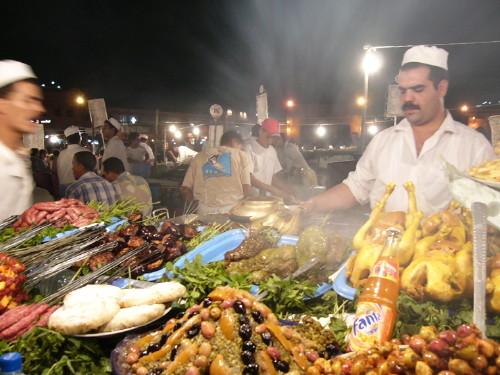
Morocco expects the health crisis to increase the number of their workers in the informal economy, who already form a third of their workforce and contribute 14 percent of gross domestic product.
The health crisis would cause more people to lose jobs in companies and consumers to seek cheaper goods, luring more to earn a living as informal workers.
Such occupations as manual or domestic labor, driving taxis, or selling in the streets, fall under this classification.
Morocco has 16,047 coronavirus cases.
In June, restaurants, cafes, and other services were allowed to resume activity at half capacity, except in provinces where infections remain high.
Unemployment is expected to rise from 9.2 percent to 14.8 percent in 2020.
The informal economy already costs Morocco $3.4 billion in annual tax losses, says Finance Minister Mohamed Benchaaboun.
The Confederation of Moroccan Enterprises warned that the informal economy also places 2.9 million jobs in companies at risk by undercutting their costs.
According to Rachid Awraz of the Moroccan Institute for Policy Analysis, it provides low added value for the economy and leaves workers without social protection.







