


 OpenAI Expands Enterprise AI Strategy With Major Hiring Push Ahead of New Business Offering
  Tencent Shares Slide After WeChat Restricts YuanBao AI Promotional Links
  FDA Targets Hims & Hers Over $49 Weight-Loss Pill, Raising Legal and Safety Concerns
  TrumpRx Website Launches to Offer Discounted Prescription Drugs for Cash-Paying Americans
  Alphabet’s Massive AI Spending Surge Signals Confidence in Google’s Growth Engine
  Washington Post Publisher Will Lewis Steps Down After Layoffs
  Trump Backs Nexstar–Tegna Merger Amid Shifting U.S. Media Landscape
  Uber Ordered to Pay $8.5 Million in Bellwether Sexual Assault Lawsuit
  Weight-Loss Drug Ads Take Over the Super Bowl as Pharma Embraces Direct-to-Consumer Marketing
  SpaceX Pushes for Early Stock Index Inclusion Ahead of Potential Record-Breaking IPO
  Nvidia, ByteDance, and the U.S.-China AI Chip Standoff Over H200 Exports
  Missouri Judge Dismisses Lawsuit Challenging Starbucks’ Diversity and Inclusion Policies
  Once Upon a Farm Raises Nearly $198 Million in IPO, Valued at Over $724 Million
  Sony Q3 Profit Jumps on Gaming and Image Sensors, Full-Year Outlook Raised
  Nasdaq Proposes Fast-Track Rule to Accelerate Index Inclusion for Major New Listings
  Amazon Stock Rebounds After Earnings as $200B Capex Plan Sparks AI Spending Debate


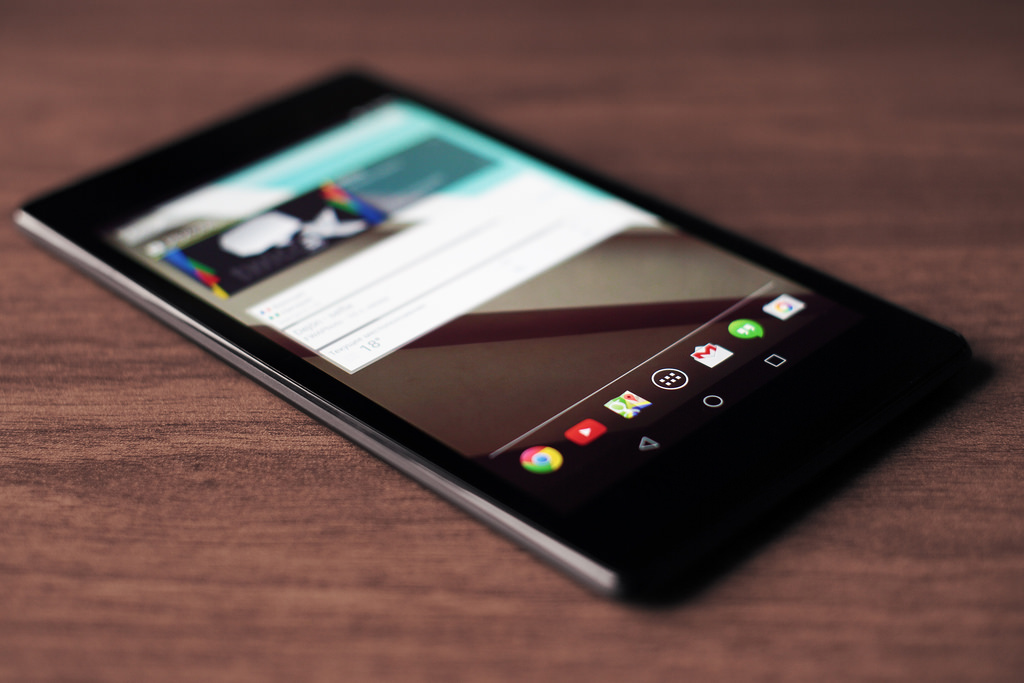
Two years ago, Google rolled out its updates on their algorithms to account for the growing numbers of people accessing the Internet from mobile devices. It appears as though some of what they led businesses to believe was not exactly ‘true.’ If you are looking to market your products or services, there are some things you might want to be aware of before throwing your advertising budget into mobile ads. You need to understand how consumers are actually spending time on their smartphones and tablets. In other words, all that hype about responsive websites may have cost your business dearly if you didn’t put your budget where it belonged!
What Research and Recent Statistics Are Showing
Where many went wrong is in assuming that mobile users would be accessing the Internet to make the same purchases they made via their desktop or laptops, and so advertising budgets continued to be focused in much the same way as they always had been. That is to say, they were assuming that by ensuring their websites were responsive they would continue getting the same amount of traffic, just via a smartphone as opposed to a desktop. Unfortunately, research documented on Smart Insights indicates that consumers are still making their purchases, for the most part, from computers and not via their smartphones.
Capturing a Mobile Market
The research mentioned above authenticated that 90% of the time users are on mobile apps and although they do access the Internet via Chrome, Safari and other browsers, it is not with the express intent to buy anything. If you want to capture a mobile market, messaging is still going to be the best way to reach a mobile market because most people open their text messages, and of those, a high percentage are going to click on interesting SMS or MMS apps.
It would seem logical, then, to spend your advertising budget on a multichannel messaging system like an SMS API from Reach Interactive so that you reach consumers where they are likely to see what you are saying. Messages can be automated and sent on a prescheduled time to literally tens of thousands of smartphones. The trick is in composing short SMS or MMS messages with an ultra-engaging call to action.
You Can Conclude That…
So then, while Google didn’t get it wrong, they didn’t exactly get it right either. They didn’t tell the whole story in the beginning, which led many marketers astray. Yes, most people access the Internet via their mobile devices and yes, the amount of time spent on mobile devices far surpasses what they spend on desktops BUT, they still make most of their purchases from a desktop PC. If you are looking to capture a mobile market, you can conclude that the best way to reach them is through apps they are using, especially messaging apps.
They are more likely to see your advert and click through from an SMS or MMS. This is where you should be spending your budget if you want to reach the biggest portion of your market. Don’t assume that they will still be accessing the Web from that device unless you lead them there with the right message sent from the right messaging app.













