


 Apple Signals Product Price Hikes Amid Rising Memory Chip Costs
  John Jumper Leaves Google DeepMind for Anthropic Amid Intensifying AI Talent Race
  NTSB Investigates Boston Logan Airport Near-Miss Between Delta and American Airlines Jets
  US Waives Iran Sanctions for 60 Days as Peace Talks Advance and Lebanon Sees Calm
  Today’s space race could turn fatal if we don’t agree on new rules
  Oracle Cuts 21,000 Jobs as AI Reshapes Workforce and Cloud Expansion Accelerates
  Venezuela Deploys Troops to Crack Down on Illegal Gold Mining Amid Push for Foreign Investment
  Trump Administration Delays DeepSeek and CXMT Trade Blacklist Designations Amid U.S.-China Tensions
  DOJ Sues Virginia Over Law Enforcement Mask Ban
  Bolivia Declares State of Emergency as Roadblock Crisis Deepens
  China Adds MP Materials, USA Rare Earth to Export Control List Amid Escalating U.S.-China Trade Tensions
  US Expands Iran Sanctions, Targets Major Crypto Exchanges and Individuals
  ASIC Launches Formal Investigation Into KPMG Australia Partners Over Client Data Misuse Allegations
  Marco Rubio Says U.S. Will Block IRGC-Linked Individuals From Iran World Cup Delegation
  SpaceX Stock Rebounds After Sharp Selloff, But Valuation Concerns Persist
  SK Hynix Overtakes Samsung as South Korea’s Most Valuable Company
  Trump Orders DOJ Investigation Into Exxon, Chevron Over High Gas Prices


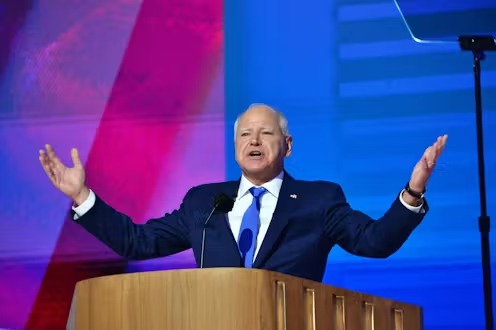
Minnesota Governor Tim Walz said Tuesday that the federal immigration crackdown ordered by President Donald Trump’s administration in Minnesota could end within days, following direct conversations with senior White House officials. Walz’s comments come amid mounting criticism, protests, and national attention surrounding the enforcement actions carried out by federal immigration authorities in the state.
According to Walz, Minnesota officials have formally requested that the surge of federal immigration agents be scaled back. He confirmed that he spoke Monday with Tom Homan, the Trump administration’s border czar, and again Tuesday with White House Chief of Staff Susie Wiles. Walz said those discussions suggested the deployment may be nearing its conclusion.
The Trump administration sent approximately 3,000 federal immigration agents to Minnesota by the end of January as part of a broader immigration enforcement initiative. Homan stated last week that roughly 700 agents would be withdrawn, signaling a potential reduction. Walz said he expects an official announcement soon and emphasized that the state is operating in a “trust but verify” posture.
The immigration crackdown has drawn sharp criticism from local officials and human rights organizations, who argue that the actions violate due process and legal protections. Tensions escalated further after federal immigration officers last month fatally shot U.S. citizens Renee Good and Alex Pretti in Minneapolis. Video footage of the shootings circulated widely online, sparking large-scale protests in Minnesota and outrage across the country.
Walz expressed hope that Homan would publicly confirm the end of the operation before the end of the week, adding that the state anticipates the withdrawal to occur over days rather than weeks or months. The Department of Homeland Security referred media inquiries to the White House, which has not issued a public response.
President Trump has defended the immigration enforcement measures as necessary to combat fraud and enhance domestic security. However, rights groups argue that the crackdown has fostered fear within immigrant and minority communities, particularly Minnesota’s Somali population. Advocacy organizations also accuse the administration of using isolated fraud cases to justify broader immigration actions while overlooking past presidential pardons related to fraud convictions.
As Minnesota awaits further clarification from federal officials, state leaders and community advocates continue to call for de-escalation and accountability.







