


 US Dollar Hits Two-Month High as Fed Rate Hike Bets Rise
  Fed Unveils Stablecoin Rules Under GENIUS Act
  Ghana Says Western Support Growing for Slave Trade Reparations
  Netanyahu Takes Aim at Mamdani as Israel Election Nears
  Trump Administration Plans Faster FDA Reviews for Smoke-Free Nicotine Products
  European Stocks Slip as Iran Tensions Offset Strong Eurozone Data
  Trump, Xi Focus on Trade and AI at White House Summit
  Mexico-US Trade Talks Delayed to October as Tariff Negotiations Continue
  Asian Stocks Fall as Bond Yields Surge Ahead of Trump-Xi Summit
  Gaza Faces Evacuation Crisis as War-Damaged Buildings Risk Collapse
  North Korea Rejects Nuclear Test Warning, Calls Nuclear Status Irreversible
  Europe Warns Russia Is Escalating Hybrid Attacks Across NATO
  Australia Unemployment Hits Five-Year High Despite Strong Jobs Growth
  Venezuela Promises Elections as Delcy Rodriguez Pledges Democratic Transition
  Oil Prices Ease as Iran Tensions Clash With Diplomacy Hopes
  Asian Currencies Mixed as Dollar Holds Near Two-Month High


 Add as a preferred source on Google
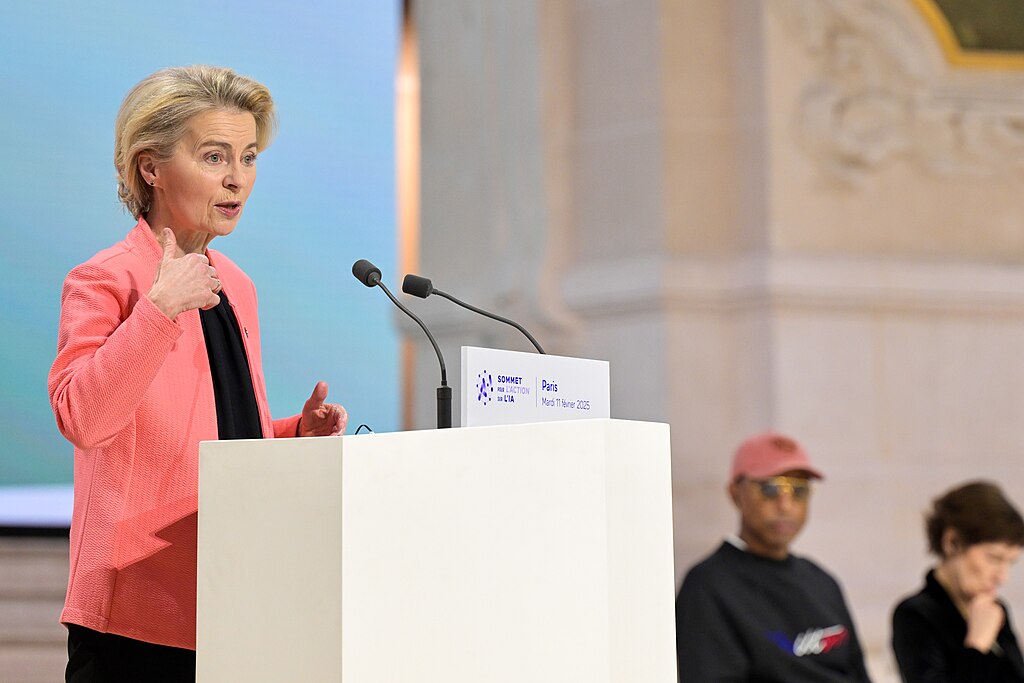
Mexico and the European Union officially signed a long-delayed free trade agreement aimed at strengthening economic ties and reducing reliance on the United States amid ongoing tariff tensions linked to U.S. President Donald Trump’s trade policies. The updated pact modernizes the original 2000 Mexico-EU trade agreement, significantly expanding its scope beyond industrial goods to include services, digital trade, investment, government procurement, and agricultural products.
Mexican President Claudia Sheinbaum joined European Commission President Ursula von der Leyen and European Council President Antonio Costa in Mexico City to finalize the agreement during the first summit between both sides in more than ten years. European leaders described the accord as a major geopolitical move designed to boost economic resilience and diversify trade partnerships in an increasingly uncertain global market.
Costa called the agreement a “geopolitical statement,” while Sheinbaum emphasized new opportunities in sectors such as pharmaceuticals, agriculture, electric mobility, and technology development. Von der Leyen added that the agreement is expected to create jobs and economic growth on both sides of the Atlantic.
The deal comes as both Mexico and the EU continue facing elevated U.S. tariffs. The European Union was targeted by Trump’s “Liberation Day” tariffs in 2025, while Mexico has struggled with duties on steel, aluminum, and automotive exports. These pressures accelerated efforts to strengthen alternative trade partnerships.
Mexico’s economy ministry projects that exports to the EU could increase from roughly $24 billion annually to $36 billion by 2030. Meanwhile, EU exports to Mexico currently total about $65 billion per year. Trade between the two regions has already grown by 75% over the past decade, led by machinery, chemicals, fuels, mining products, and transportation equipment.
The agreement also grants near duty-free access for most goods, including Mexican asparagus and chicken, as well as European cheese, pork, and milk powder, though some quotas will remain in place. The deal still requires approval from the European Parliament, where analysts expect it to pass within the coming months.







