


 Trump Meets Venezuela’s Delcy Rodriguez at UN Assembly
  US, China Extend Trade Truce to Jan. 10 Ahead of Trump-Xi Summit
  Venezuela Promises Elections as Delcy Rodriguez Pledges Democratic Transition
  Iran Vows ‘Crushing’ Response as US Talks Continue
  Russian Strikes Kill Eight Across Ukraine as Energy Sites Hit
  US Invites Putin to Miami G20, Opening Door to Trump Summit
  Marco Rubio to Meet Russia’s Lavrov in New York
  Netanyahu Takes Aim at Mamdani as Israel Election Nears
  Ghana Says Western Support Growing for Slave Trade Reparations
  Lula and Flavio Bolsonaro Tied in Brazil Runoff Poll
  Europe Warns Russia Is Escalating Hybrid Attacks Across NATO
  Trump Board of Peace Unveils $2.45 Billion Gaza Recovery Plan
  Macron Challenges Trump’s Gaza Peace Claims at UN
  Sudan Rejects US Legitimacy Remarks, Defends Sovereignty
  US Officials Split Over Response to Israeli West Bank Settlements
  Trump Says ‘Freedom’ Is Coming to Cuba
  Gaza Faces Evacuation Crisis as War-Damaged Buildings Risk Collapse


 Add as a preferred source on Google
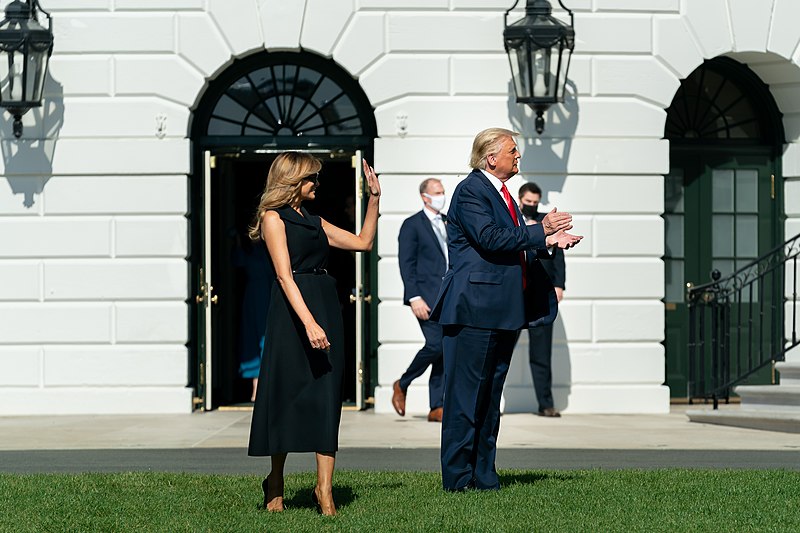
First lady Melania Trump joined the campaign trail in the final weeks leading up to the elections. According to a body language expert, Melania appeared to be anxious as she tried to make her case for her husband, Donald Trump, in her recent campaign rally appearances.
Mrs. Trump joined her husband in several campaign events over the past few weeks in an effort to gain votes by election day. The first lady introduced her husband during these campaign rallies with some remarks, one of the most recent rallies she attended was in Pennsylvania. Body language expert Judi James analyzed Melania’s movements during her address in the state and said that the first lady appeared to be nervous in front of the crowds. This is despite her duties involving talking in front of many people.
“Her high wave to the audience and her trait of directing her words at them rather than at the camera does suggest that she has realized her own popularity and ability to bond with them directly,” said James. “However, if anything she actually looks slightly nervous at times and takes less ownership of her script.”
Melania introduced her husband to the crowd of supporters, praising his efforts and achievements while hoping that he wins the election on November 3. During her speech, Melania also blasted the Democrats, which James noted that Melania was in ‘attack mode’ in her campaign appearance this year compared to 2016. James added that the first lady’s drop in tone when she criticized the opposing party suggests that she is now being used as a “much more potent weapon” compared to her address to the Republicans four years ago.
The first lady also opened for her husband during a campaign rally in Wisconsin where she touted her husband’s response towards the COVID-19 pandemic. Melania said that the country is making progress in combating the pandemic and that she watched her husband work hard not to cause panic among the American public while staying informed. The first lady also touted the administration’s efforts in protecting the country’s economy and the COVID-19 protocols set in place to help schools and businesses reopen.







