


 China Cuts Tariffs on U.S. Farm Goods but Excludes Soybeans
  Gold Rebounds as Oil Falls and Treasury Rout Eases
  RBA Hikes Interest Rate to 4.60% as Inflation Risks Rise
  US Dollar Hits Two-Month High as Aussie, Pound Slide
  Goldman Sachs Private Credit Fund Sees Redemptions Ease in Q3
  Asian Stocks Fall as Bond Yields and Oil Prices Surge
  BOJ Signals Faster Rate Hikes as Inflation Risks Grow
  BMW Targets 3%-5% Auto Margin by 2028 in Recovery Plan
  CSL Partners With AWS to Bring AI Into Drug Research
  Goldman Sachs Eyes John Waldron as CEO Successor
  Oil Prices Slide as Middle East Flows Recover
  Aztec Revives zk.money for Private Ethereum Payments
  Gold Prices Slip as High Treasury Yields Weigh on Bullion
  Binance Pay Goes Live at PayPay Merchants in Japan
  QNT Whales Move $10M to Exchanges After 400% Rally
  Robinhood Chain Meme Coins Slide as Stock Token Locks Rise
  Robinhood Launches AI Agents for Automated Trading


 Add as a preferred source on Google
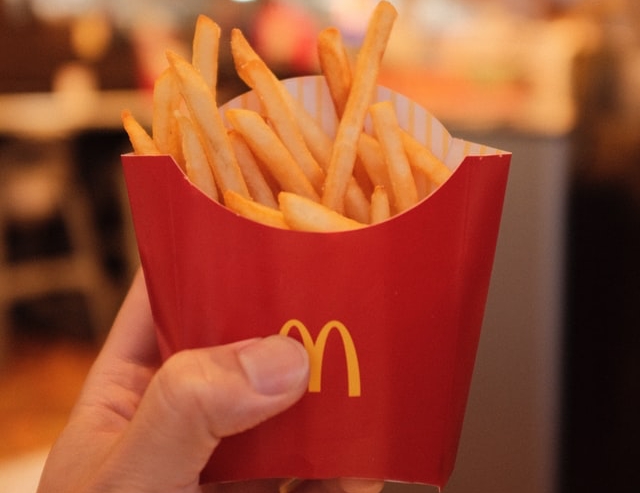
McDonald's Japan recently ran out of french fries that it was forced to sell just small fries in its restaurant outlets. There was a potato shortage that caused the fast-food chain to suspend sales of the popular side.
There were no medium or large-size french fries at McDonald's Japan for days and today, it was reported that the bigger sizes of fries are finally back after a week. According to Kyodo News, the fast-food will bein selling the fries starting 10:30 a.m. on Friday, Dec. 31.
Last Friday, McDonald's Japan's 2,900 stores were only able to sell small fries with their orders. At that time, the company cited disruptions with the potato import from North America because of floodings near the Vancouver port as the cause of the fries shortage. In addition, there was also the logistics disruption worldwide due to the COVID-19 pandemic.
"The suspension caused a great deal of trouble to our customers," McDonald's Japan said in a statement. "We will continue to cooperate with importers and suppliers to ensure stable procurement."
Meanwhile, potatoes were transported to Japan through air to help solve the french fries shortage in the Japanese unit of McDonald's. Bloomberg reported that at least three Boeing 747's brought loads of potatoes to the country and these planes were contracted.
It was Flexport Inc., an American freight forwarder, that helped fly the potatoes through the three planes. "Flexport just contracted to fly three 747 loads of potatoes to Japan to help with the French fry shortage," Ryan Petersen, the freight company's chief executive officer, stated via social media.
With the deliveries, McDonald's Japan said it is expecting the fries shortage to be solved by New Year's Eve. The spokesperson of McDonald's unit in Japan also confirmed to Bloomberg via phone that it will be resuming the sale of medium and large size fries on Dec. 31st.
Meanwhile, the supply shortage in fast-food chains is not just experienced in Japan but in other parts of the world as well. There were cream cheese shortages, chicken shortages, and more. All of these were caused by the global supply chain disruptions due to the pandemic and natural calamities.







