


 Britain Courts Anthropic Amid US Defense Department Dispute
  Microsoft Eyes $7B Texas Energy Deal to Power AI Data Centers
  Samsung Electronics Posts Eightfold Profit Surge Driven by AI Chip Demand
  NASA's Artemis II Crew Arrives in Florida for Historic Moon Mission
  U.S. Disrupts Russian Military Hackers' Global DNS Hijacking Network
  China's Push to Steal Taiwan's Chip Technology and Talent Raises Security Alarms
  Bank of America Identifies Top Asia-Pacific Semiconductor Stocks Poised for AI-Driven Growth
  China vs. NASA: The New Moon Race and What's at Stake by 2030
  Rubio Directs U.S. Diplomats to Use X and Military Psyops to Counter Foreign Propaganda
  Anthropic's Mythos AI Model Sparks Emergency Cybersecurity Meeting With Top U.S. Bank CEOs
  SpaceX Eyes Historic IPO at $1.75 Trillion Valuation
  Australia's Social Media Ban for Under-16s Sparks Global Movement
  Alibaba Shares Slide as Jefferies Slashes Price Target Over AI Spending and Business Losses
  Microsoft's $10 Billion Japan Investment: AI Infrastructure and Data Sovereignty Push
  California's AI Executive Order Pushes Responsible Tech Use in State Contracts
  Lumentum Holdings Rides AI Wave With Order Book Filled Through 2028


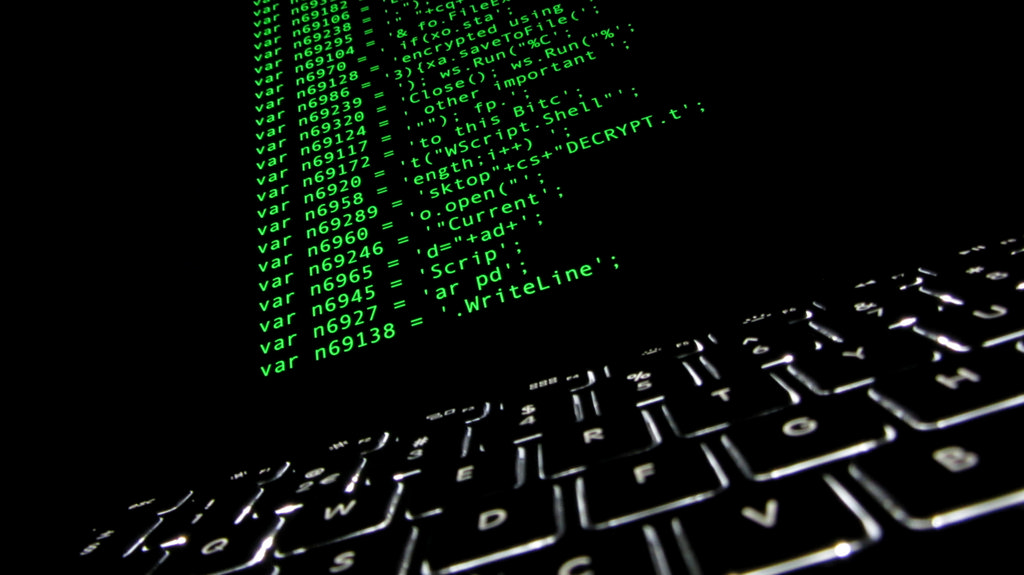
Last week, hundreds of thousands of Windows-based PCs were infected with ransomware. The infection was spread due to a security vulnerability that Microsoft didn’t know about, but the National Security Agency did. Now, the tech world is bracing itself for another massive wave of ransomware attacks, possibly the biggest in history, and Microsoft is putting a huge chunk of the blame on the NSA.
As many as 200,000 PCs were infected over a three-day period last week, Forbes reports, which were perpetrated using exploits by the NSA that were leaked by a group called Shadow Brokers. The ransomware in question was then released by the group WannaCry, giving the exploit a worm feature in the process.
This provided the ransomware the ability to spread fast and quietly, quickly infecting numerous PCs before it was detected. When it was found, Microsoft was forced to act swiftly in order to patch the vulnerability. In the process, Brad Smith, the president and chief legal officer at Microsoft had a few choice words for the NSA.
Smith argued that the agency should have shared any vulnerability it discovered to the affected companies so that they can be patched. He even likened the incident to several missiles getting stolen from the US military and keeping quiet about it.
"The governments of the world should treat this attack as a wake-up call,” Smith writes in a blog post on Sunday. “They need to take a different approach and adhere in cyberspace to the same rules applied to weapons in the physical world. We need governments to consider the damage to civilians that comes from hoarding these vulnerabilities and the use of these exploits."
What has tech security experts really worried about this development is the fact that more exploits were released during the NSA leak than what caused last week’s attack. As the work week starts, millions are going to find out if their work computers have been infected or not, The Washington Post reports.
What’s more, the ransomware is quite versatile and easy to modify, which makes any countermeasures that companies can come up next to useless. Suffice it to say, the tech industry is very nervous right now.







