


 Venezuela Promises Elections as Delcy Rodriguez Pledges Democratic Transition
  Marco Rubio to Meet Russia’s Lavrov in New York
  South Korea, US Discuss Warship Building Cooperation
  Trump Meets Venezuela’s Delcy Rodriguez at UN Assembly
  Trump Administration Plans Faster FDA Reviews for Smoke-Free Nicotine Products
  Lula and Flavio Bolsonaro Tied in Brazil Runoff Poll
  US Invites Putin to Miami G20, Opening Door to Trump Summit
  Russian Envoy Dmitriev Heads to US for Ukraine Talks
  Trump to Press Xi on Release of US Nuclear Expert Held in China
  Macron Challenges Trump’s Gaza Peace Claims at UN
  Ghana Says Western Support Growing for Slave Trade Reparations
  Trump Says ‘Freedom’ Is Coming to Cuba
  Macron, Trump Discuss Ukraine-Russia Energy Strike Moratorium
  US, China Extend Trade Truce to Jan. 10 Ahead of Trump-Xi Summit
  Europe Warns Russia Is Escalating Hybrid Attacks Across NATO
  China Tightens Fentanyl Rules Ahead of Trump-Xi Summit
  Russian Strikes Kill Eight Across Ukraine as Energy Sites Hit


 Add as a preferred source on Google
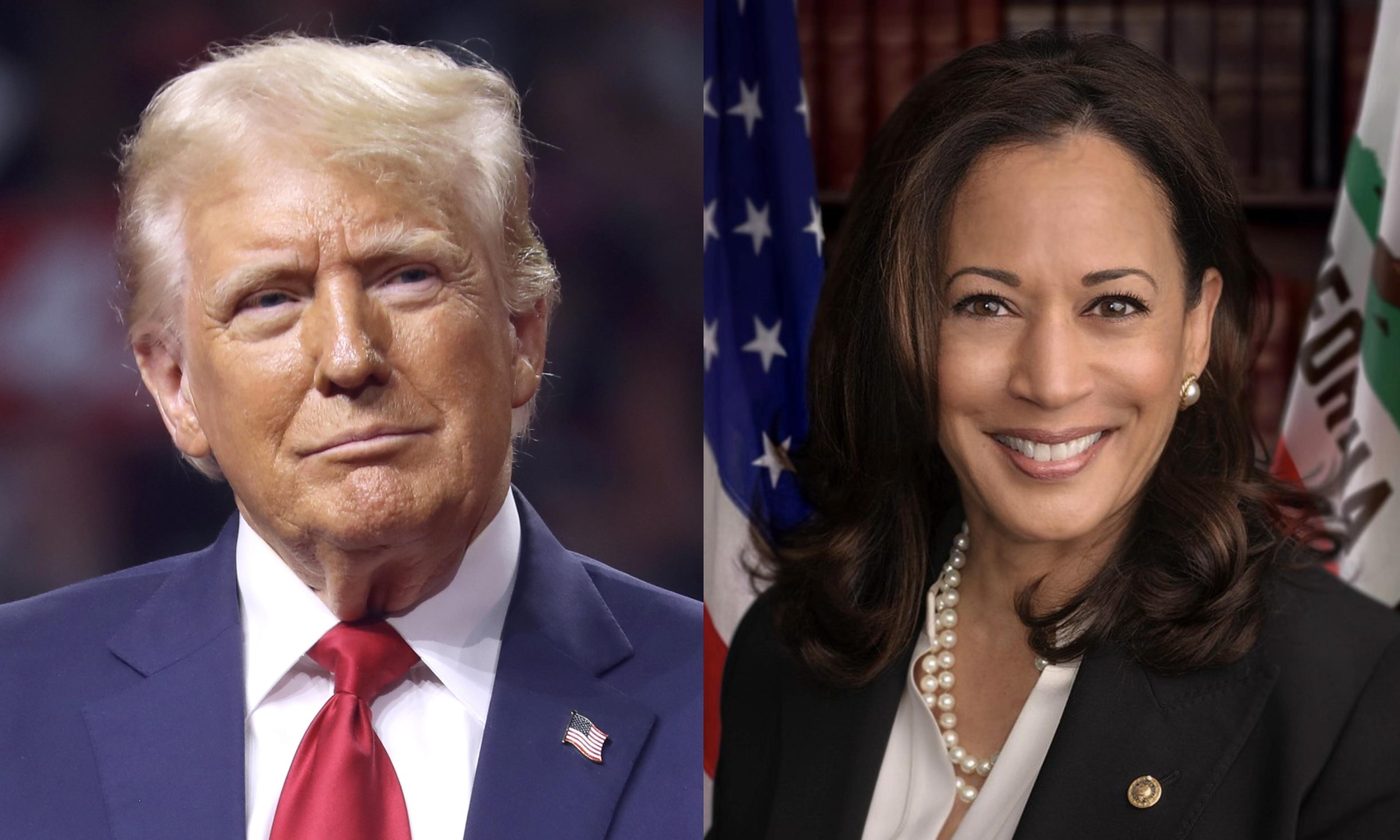
In a critical update just ahead of Election Day, Maricopa County officials announced that 27,000 mail-in ballots arrived with signatures that did not match voter records. Of these ballots, officials report that 15,000 have been “cured” or verified through follow-up verification with voters. However, 12,000 ballots remain uncounted and are pending resolution, stirring debates about voter integrity and ballot security in Arizona’s largest voting jurisdiction.
The “curing” process is an established method that allows election officials to verify questionable ballots by reaching out to voters whose signatures on ballot envelopes don’t match those in the official database. In Maricopa County, officials deployed resources to address the issue swiftly, contacting voters by phone, email, and text messages in an effort to confirm ballot authenticity. Despite their efforts, 12,000 ballots remain unresolved, prompting concerns that these votes may go uncounted if voters do not respond before the final certification deadline.
Maricopa County Recorder Stephen Richer emphasized the transparency of the verification process and assured voters that all steps are being taken to prevent ineligible ballots from affecting the outcome. “We are committed to maintaining the integrity of our election process,” Richer said. “Every voter who needs to cure their ballot has been notified, and we urge them to contact us as soon as possible.” Richer confirmed that the unresolved ballots would remain uncounted unless verification is completed promptly.
As Arizona remains a key battleground in national elections, this development has drawn significant attention, with both parties watching closely to see how the remaining ballots will impact tight races across the state. Political analysts are already speculating on the potential effects of the unverified ballots, noting that each vote could play a decisive role in competitive races. “These 12,000 ballots could tip the balance in tight races across Arizona,” said Dr. Lisa Thompson, a political science professor at Arizona State University. “In a state as closely divided as Arizona, every vote matters, and this situation illustrates just how high the stakes are.”
Critics of the signature verification process argue that it places unnecessary barriers on voters, particularly those who may not be reachable for curing. Some voter advocacy groups have expressed concerns that the procedure disproportionately affects younger and minority voters, who are more likely to vote by mail. “We’re worried that legitimate ballots are being discarded due to administrative issues,” said Rosa Gonzalez, spokesperson for Arizona Voters Alliance. “Every vote should count, and we encourage Maricopa County to ensure that all voters have ample opportunity to confirm their ballots.”
In response to these concerns, Maricopa County officials reiterated their commitment to upholding election integrity. Richer emphasized that the signature verification process is a standard practice, aimed at preventing potential fraud and maintaining public trust in the voting process. “The curing process is essential to secure elections,” Richer said. “It’s about ensuring that every valid vote is counted and that the election remains free of fraud.”
As Election Day approaches, Maricopa County’s handling of the outstanding ballots will remain a point of focus, with both election integrity and voter access hanging in the balance.







