


 UK, Mauritius Seek Diego Garcia Base Deal
  Lula and Flavio Bolsonaro Tied in Brazil Runoff Poll
  Trump Board of Peace Unveils $2.45 Billion Gaza Recovery Plan
  Macron, Trump Discuss Ukraine-Russia Energy Strike Moratorium
  Zelenskiy Meets CIA Chief John Ratcliffe at Ireland’s Shannon Airport
  Paramount-Warner Bros $110 Billion Deal Draws Antitrust Backlash
  Trump Says U.S.-Iran Peace Deal Near After UN Talks
  Kremlin Says No Grounds Yet for Ukraine Peace Talks
  Russian Strikes Kill Eight Across Ukraine as Energy Sites Hit
  Trump Administration Prepares Sanctions Against Entire ICC
  US Plans Two New Military Bases in Greenland Under Arctic Deal
  US, Japan and South Korea Back Taiwan Ahead of Trump-Xi Summit
  Trump Says ‘Freedom’ Is Coming to Cuba
  Iran Vows ‘Crushing’ Response as US Talks Continue
  Trump to Press Xi on Release of US Nuclear Expert Held in China
  Scott Bessent Eyed as Trump’s New AI Czar
  Trump Scales Back Endangered Species Act Protections


 Add as a preferred source on Google
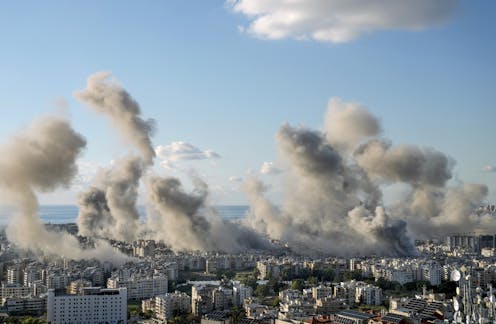
Lebanon is pushing ahead with diplomatic efforts to end the conflict with Israel despite growing pressure from Iran, which is seeking to preserve its influence in the country through Hezbollah. As ceasefire negotiations continue under U.S. mediation, Lebanese leaders insist that the nation’s future will be decided in Beirut, not Tehran or Tel Aviv.
President Joseph Aoun reaffirmed Lebanon’s sovereignty, stating that while cooperation with Iran remains possible, foreign powers cannot dictate Lebanon’s political decisions. He emphasized that negotiations are the only viable path to ending the conflict with Israel and rejected the idea of Lebanon becoming a battleground for regional rivalries.
The dispute highlights a broader struggle over Lebanon’s political direction. Iran reportedly views Lebanon as a critical part of its regional strategy, especially after the fall of former Syrian President Bashar al-Assad, a key ally in Tehran’s “Axis of Resistance.” Analysts describe Lebanon as Iran’s most important front against Israel, giving Tehran a strong interest in shaping any future settlement.
At the same time, U.S.-backed talks between Lebanon and Israel have made little progress. Lebanon is demanding a lasting ceasefire, a full Israeli withdrawal, and the return of displaced civilians under Lebanese army supervision. Israel, however, insists that Hezbollah must first be removed as a military force, particularly in southern Lebanon.
Lebanese officials described recent negotiations in Washington as difficult, with major disagreements remaining unresolved. A proposed framework reportedly called for a ceasefire linked to Hezbollah’s withdrawal from southern Lebanon, but the plan was rejected by Hezbollah, which viewed it as a concession to Israeli demands.
Iran has also linked any broader agreement with Washington to a ceasefire in Lebanon, further complicating negotiations. Meanwhile, Hezbollah remains opposed to direct talks with Israel and has not presented an alternative roadmap for ending the conflict.
With international support growing for Lebanon’s independent diplomatic approach, the government faces the challenge of balancing Israeli security demands and Iranian efforts to maintain Hezbollah as a strategic regional asset. Continued deadlock could deepen instability in southern Lebanon and delay the return of displaced communities.







