


 Trump Asks Supreme Court to Restore Third-Country Deportations
  Yemen Violence Displaces 130,000 as Civilian Toll Rises
  North Korea Warns South Korea Over US-Led Defense Role
  Trump, Xi Focus on Trade and AI at White House Summit
  Sudan Rejects US Legitimacy Remarks, Defends Sovereignty
  Mexico-US Trade Talks Delayed to October as Tariff Negotiations Continue
  EU Defence Build-Up Too Slow for 2030 Russia Readiness Goal
  Kremlin Says No Decision Yet on Putin-Trump December Summit
  South Korea, US Discuss Warship Building Cooperation
  US Backs Musk in Fight Against EU’s €120 Million X Fine
  Abbas Reaffirms November 28 Palestinian Elections
  Netanyahu Defends Israel at UN as Delegates Stage Walkout
  Ukrainian Drone Attacks Hit Russian Regions, Injuring at Least 12
  Saudi Arabia, Turkey and Pakistan Plan Urgent Defence Talks Over Houthi Attacks
  Russian Missile and Drone Attack on Kyiv Kills Two, Damages Maternity Hospital
  North Korea Rejects Nuclear Test Warning, Calls Nuclear Status Irreversible
  France Defends Netanyahu Airspace Clearance Despite ICC Warrant


 Add as a preferred source on Google
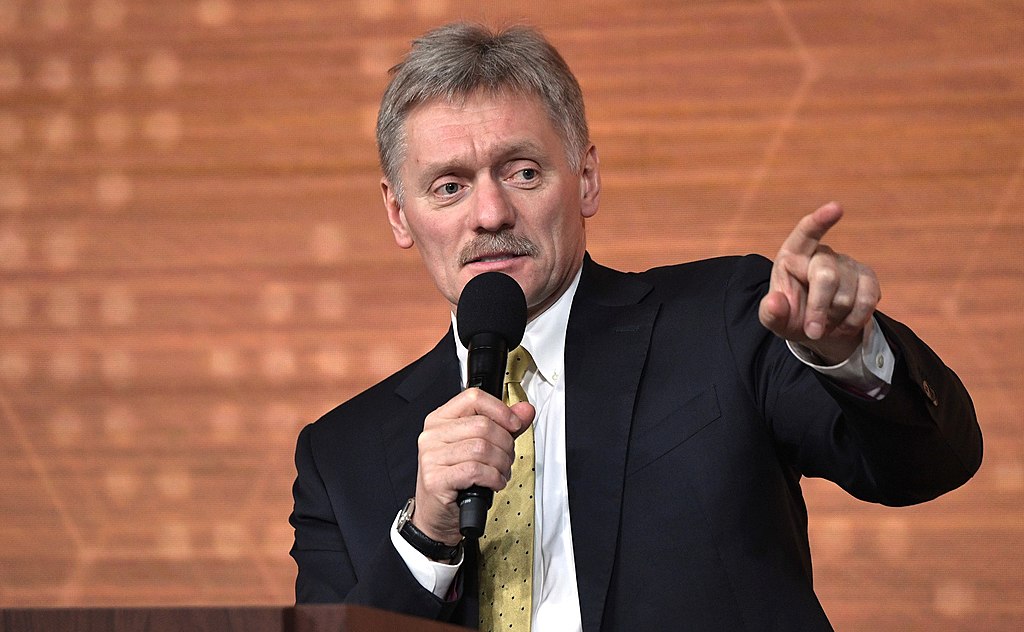
The future of Ukraine-Russia peace negotiations hinges on Kyiv’s position, U.S. mediation, and battlefield developments, Kremlin spokesman Dmitry Peskov said in a televised interview on Sunday. As the war enters its third year, prospects for a ceasefire remain uncertain.
U.S. President Donald Trump, five months into his second term, has yet to deliver on his 2024 campaign pledge to end the war “in one day.” However, he remains optimistic, recently stating that “something will happen” regarding a potential settlement.
Peskov emphasized that Kyiv’s stance plays a critical role, along with how effectively Washington can act as a mediator. He also noted that the evolving military situation must not be overlooked. He did not detail Moscow’s expectations but reaffirmed Russia’s conditions: Ukraine must relinquish more territory and end reliance on Western military aid—demands Kyiv continues to reject.
Although no date has been announced for the next round of peace talks, Peskov said Russia hopes clarity will emerge soon. Face-to-face negotiations between Russia and Ukraine resumed in Istanbul on May 16 and June 2 after a three-year hiatus. These meetings led to prisoner swaps and the repatriation of soldiers’ remains but failed to yield progress toward a ceasefire.
Russian President Vladimir Putin criticized the June 2 proposals as “absolutely contradictory memorandums.” Meanwhile, Russia maintains military momentum, gradually advancing in southeastern Ukraine, including Donetsk and Dnipropetrovsk, while intensifying aerial assaults across the country.
Turkey, which previously hosted the talks, has reiterated its willingness to facilitate future negotiations. As geopolitical tensions persist, the path to peace remains highly dependent on diplomatic traction and military realities on the ground.







