


 6 simple questions to tell if a ‘finfluencer’ is more flash than cash
  Booked to travel through the Middle East? Here’s why you shouldn’t cancel your flight
  Asian Stocks Rebound as Oil Prices Fall, Nvidia Earnings in Focus
  Australia Inflation Beats Forecasts, Raising RBA Rate Hike Risk
  BOJ’s Himino Signals Timely Rate Hikes as Inflation Risks Rise
  US-Canada Tariff War Escalates With 50% Auto Duties
  Japan Firms Ramp Up Yen Hedging as Currency Weakness Persists
  Google promotes ‘teacher approved’ apps for kids. Here’s what parents should know
  Carney’s Trump Tariff Pushback Wins Canadian Support, but Economic Risks Mount
  What’s the difference between baking powder and baking soda? It’s subtle, but significant
  Why financial hardship is more likely if you’re disabled or sick
  Every generation thinks they had it the toughest, but for Gen Z, they’re probably right
  Locked up then locked out: how NZ’s bank rules make life for ex-prisoners even harder
  Asian Currencies Mixed as Aussie Dollar Rises on Hot Inflation
  The American mass exodus to Canada amid Trump 2.0 has yet to materialize
  Debate over H-1B visas shines spotlight on US tech worker shortages


 Add as a preferred source on Google
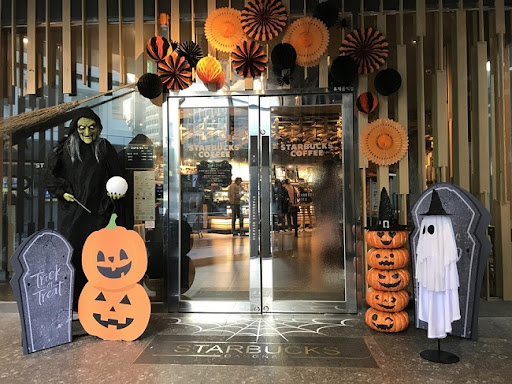
Starbucks Korea stores have set restrictions on how many of the 23 newly released Halloween goods and merchandise each customer could buy after employees protested its marketing strategy for imposing a heavy workload.
The special merchandise consists of tumblers, mugs, cold cups, key chains, and dolls.
There were also two of the two cards, three drinks, and seven food products.
The Starbucks outlets also displayed a sign that listed the stock available.
Many consumers began purchasing the Halloween specials early in the morning, causing items with buying restrictions to run out rapidly.
Second-hand transaction platforms were soon selling the new Starbucks merchandise at a higher price on the same day of its release.
Last week, employees of Starbucks Korea stores staged a demonstration against the excessive workload caused by the company’s marketing events.
The workers hired two trucks that drove around Seoul with signs calling for improved work conditions.







