


 Kremlin Says No Grounds Yet for Ukraine Peace Talks
  Trump Meets Venezuela’s Delcy Rodriguez at UN Assembly
  Trump Administration Prepares Sanctions Against Entire ICC
  Macron, Trump Discuss Ukraine-Russia Energy Strike Moratorium
  Lula Meets Mamdani in New York as Elections Approach
  Carney Condemns Belleville Synagogue Shooting That Wounded Police Officer
  Macron Challenges Trump’s Gaza Peace Claims at UN
  CNN, MS NOW and Politico Sue Trump Over White House Media Ban
  Canada Unveils Bill to Fast-Track Major Resource Projects
  UK, Mauritius Seek Diego Garcia Base Deal
  Trump Says ‘Freedom’ Is Coming to Cuba
  Scott Bessent Eyed as Trump’s New AI Czar
  Trump to Press Xi on Release of US Nuclear Expert Held in China
  China Tightens Fentanyl Rules Ahead of Trump-Xi Summit
  Marco Rubio to Meet Russia’s Lavrov in New York
  US, Japan and South Korea Back Taiwan Ahead of Trump-Xi Summit
  US Plans Two New Military Bases in Greenland Under Arctic Deal


 Add as a preferred source on Google
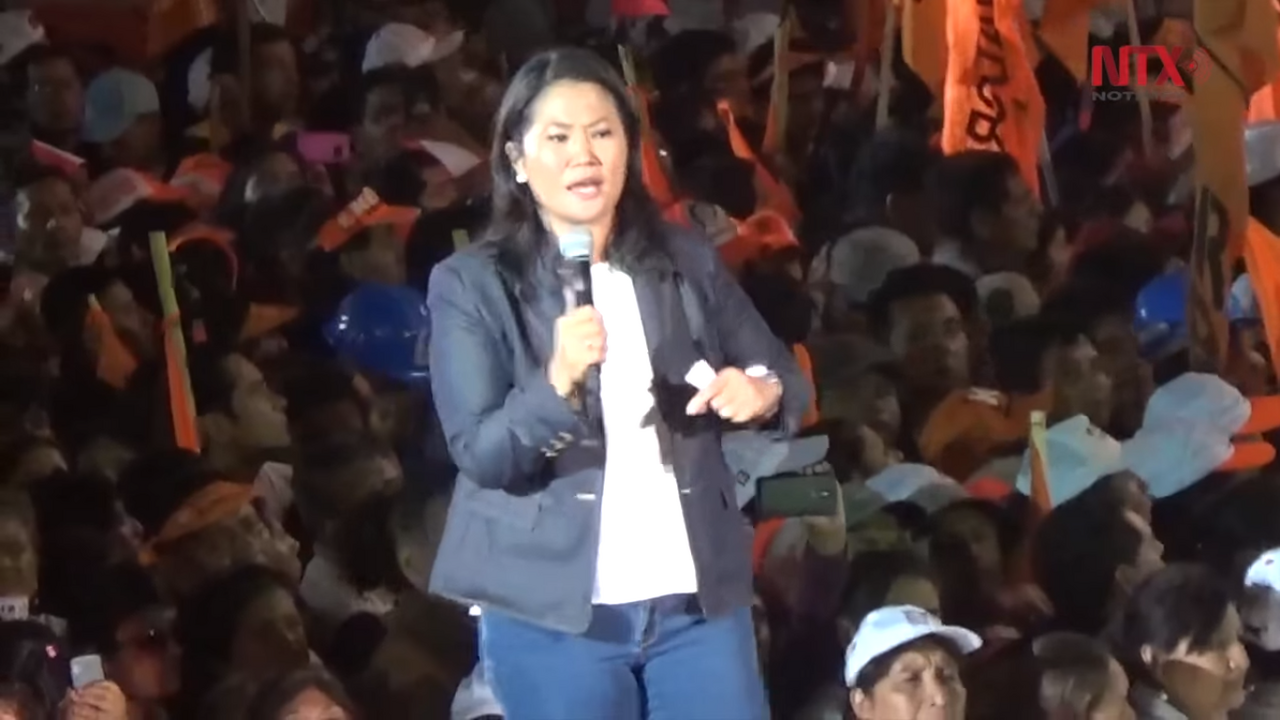
Keiko Fujimori has regained a razor-thin lead in Peru’s closely contested presidential election, as overseas ballots pushed the conservative candidate ahead of her leftist rival Roberto Sanchez in one of the tightest races in the country’s recent history.
According to Peru’s National Office of Electoral Processes (ONPE), Fujimori secured 50.002% of the vote compared to Sanchez’s 49.998%, giving her a lead of approximately 650 votes. The latest figures are based on results from 98.21% of polling stations, representing around 18 million ballots counted nationwide.
Despite the near-complete vote count, the outcome remains uncertain. Electoral authorities have flagged approximately 1.76% of polling stations for judicial review, representing nearly 400,000 votes. The review process could take several weeks before a final winner is officially declared.
Most of the disputed ballots originate from the Lima metropolitan area, a region traditionally considered a stronghold for Fujimori. Political analysts suggest these votes could play a decisive role in determining the final result of Peru’s presidential runoff election.
The race between Fujimori and Sanchez has remained exceptionally close throughout the counting process. Early exit polls favored Fujimori, while an Ipsos quick count—known for accurately forecasting previous Peruvian elections—showed Sanchez holding a slight advantage.
Both candidates initially urged supporters to remain calm as election officials processed votes. However, Sanchez, who briefly overtook Fujimori after rural ballots were counted earlier in the week, adopted a more critical stance on Wednesday. He called for discussions with international election observers regarding what he described as “strange, unusual and questionable developments” in the vote-counting process.
Meanwhile, a group of Sanchez supporters gathered outside the National Election Jury (JNE) headquarters in Lima to protest. Authorities later dispersed the crowd using water cannons.
This marks Fujimori’s fourth consecutive appearance in a presidential runoff. She narrowly lost the previous two elections, including the 2021 contest against former President Pedro Castillo by roughly 45,000 votes. Sanchez, a former minister in Castillo’s administration, has positioned himself as the ex-president’s political successor throughout the campaign.
While Fujimori has largely avoided public appearances during the vote count, she has repeatedly expressed confidence that the final result will favor her candidacy.







