


 US Backs Musk in Fight Against EU’s €120 Million X Fine
  Judge Orders Trump to Restore White House Access for CNN, MS NOW and Politico
  Netanyahu Defends Israel at UN as Delegates Stage Walkout
  Abbas Reaffirms November 28 Palestinian Elections
  Ghana Says Western Support Growing for Slave Trade Reparations
  Mexico-US Trade Talks Delayed to October as Tariff Negotiations Continue
  US, China Extend Trade Truce to Jan. 10 Ahead of Trump-Xi Summit
  Yemen Violence Displaces 130,000 as Civilian Toll Rises
  EU Defence Build-Up Too Slow for 2030 Russia Readiness Goal
  Russian Missile and Drone Attack on Kyiv Kills Two, Damages Maternity Hospital
  Netanyahu Takes Aim at Mamdani as Israel Election Nears
  NATO Boosts Intelligence Sharing Amid Russia Hybrid Threats
  Trump Administration Plans Faster FDA Reviews for Smoke-Free Nicotine Products
  Gaza Faces Evacuation Crisis as War-Damaged Buildings Risk Collapse
  South Korea, US Discuss Warship Building Cooperation
  Netanyahu’s Brief US Trip Highlights Strains With Trump
  Venezuela Promises Elections as Delcy Rodriguez Pledges Democratic Transition


 Add as a preferred source on Google
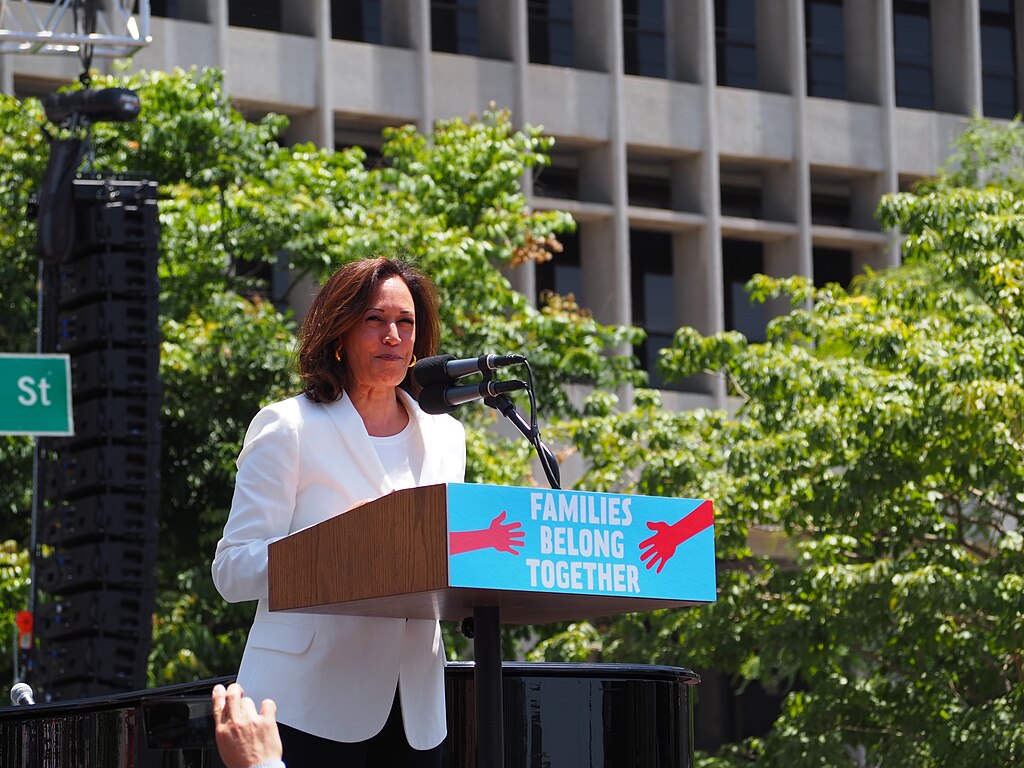
Vice President Kamala Harris’s lead in New York City has dropped to unprecedented levels, showing only a 66%-27% edge over her Republican contender, according to a new NYT/Siena poll. This startling statistic represents the lowest Democratic performance in the city since 1988, when Michael Dukakis ran against then-Vice President George H.W. Bush, raising questions about the Democratic Party’s grasp on one of its most reliable urban strongholds.
Traditionally a Democratic fortress, New York City’s enthusiasm for Harris appears diminished, with the poll reflecting a notable decline in support among younger voters, independents, and even some historically Democratic demographics. Harris’s 66% support is far from the commanding margins that Democrats like Barack Obama and Hillary Clinton enjoyed in the city, both of whom held well over 80% in various polls during their campaigns. The Democratic Party’s internal strategists have taken note, concerned that a narrowing margin in New York City signals potential vulnerabilities that could impact the national stage.
Analysts are scrambling to understand the reasons behind this unexpected shift. “This is a wake-up call,” commented Dr. Lena Montgomery, a political science professor at New York University. “New York City has always been a cornerstone of Democratic campaigns, and these numbers indicate waning enthusiasm and a possibly significant lack of confidence in Harris’s platform.”
Some insiders point to Harris’s handling of national issues, including crime and immigration, both of which hold a particular resonance in urban centers. While Harris has highlighted progressive stances on criminal justice reform, some NYC voters express concern over rising crime rates and a perception of reduced public safety. Furthermore, her stances on border policies have stirred mixed reactions in New York, a city with a large immigrant population that is increasingly concerned about federal immigration approaches.
The low polling numbers also reflect a changing demographic in New York City, where younger voters and middle-income families are facing affordability issues. “It’s not just about Harris as an individual,” added Dr. Montgomery. “It’s about what her candidacy represents and whether it speaks to the concerns of modern New Yorkers.”
Meanwhile, Republicans see this dip as an opportunity to make inroads in the traditionally Democratic city. GOP strategists have already seized on Harris’s lagging numbers to push forward messaging that portrays their party as a viable alternative, even in one of the bluest cities in the country. “New Yorkers are tired of the same old promises that go unfulfilled,” claimed one Republican strategist. “They want solutions, not slogans.”
If Harris’s campaign doesn’t address this decline in enthusiasm, some fear the issue could ripple outward to other urban areas where voters are growing increasingly concerned about similar issues. A narrow win in New York City would undermine the Democratic Party’s historic image as the clear choice for urban centers, potentially impacting their national campaign strategy.
The question now becomes whether Harris and her team will be able to rally and regain the confidence of New Yorkers. The city’s electorate has, time and again, proven to be loyal to Democratic candidates, but these numbers suggest a shift that could spell trouble if left unaddressed. As the election season continues, all eyes will be on whether Harris can turn these numbers around—or if New York City’s shifting landscape indicates broader challenges for the Democratic Party across the country.







